Vitamin D is a fat-soluble vitamin essential for the proper functioning of the body. Activated by exposure to ultraviolet rays, it helps build a healthy and strong skeleton, but it is involved in many other processes that occur in our bodies, some of which are exceptionally unexpected.
In fact, it was once believed that it only intervened in the mechanisms of bone calcification, but in recent years the medical-scientific community has had to review its positions, starting to consider it more of a pro-hormone than a simple vitamin, that is, a substance that the body is able to convert into a real hormone.
Vitamin D supports the immune system and controls blood glucose levels and blood pressure, playing a preventive role in cardiovascular disease. It is important for brain transmission and is involved in various circadian mechanisms, such as sleep-wake cycles and hunger-satiety cycles.
It has also been shown to have a strong link with thyroid hormones (low vitamin D levels have been observed in people with poor thyroid function) and with sex hormones, namely testosterone and estrogen. It also plays a fundamental role in female fertility.
A deficiency in serotonin causes tiredness, asthenia, muscle pain, difficulty concentrating, intestinal and skin problems, but also irritability and sadness; it is no coincidence, in fact, that during the winter season, due to a decrease in sunlight, the body produces low levels of serotonin, the so-called feel-good hormone.
For all these reasons, it's important to monitor your vitamin D levels and ensure adequate intake through a healthy diet and lifestyle. But which foods are richest in it? And, above all, what behaviors should we adopt to ensure its maximum bioavailability? Let's find out together.

Vitamin D and Bioavailability
Before looking at which foods provide the highest levels of vitamin D, it's important to highlight certain behaviors that are essential for making it more active. The first concerns exposure to ultraviolet rays: we can get a good amount through our diet, but if we never expose ourselves to the sun, we'll never be able to get active vitamin D.
It's important to understand which rays we're talking about: UVB rays don't affect skin aging, and their active levels depend on the season, altitude, latitude, and time of day; exposure is greater at high altitudes and in tropical countries. UVA rays, on the other hand, which have little effect on vitamin D, are the most damaging to the skin.
There are four factors that influence the correct synthesis of vitamin D:
- age: as we get older we are "less capable" of producing vitamin D;
- body fat;
- Creams and clothing: Using sunscreen blocks UVB rays and reduces the production of this vitamin; it is recommended to expose yourself to the sun using a low SPF in the early hours of the day, before 10-11 am, and after 4-5 pm, leaving your arms and legs uncovered;
- the presence of any autoimmune diseases.
Of the five existing forms, vitamin D2 and vitamin D3 are biologically essential: the former is of biological origin, while the latter is synthesized by animals, including humans. Both forms must be activated by the liver and kidneys, so poor function can lead to a deficiency.
Another aspect to take into consideration is movement: physical activity plays an important role in the metabolism of vitamin D, making it more bioavailable.

Foods Richest in Vitamin D
Vitamin D is a fat-soluble substance, widely present in all animal fats, while we have very little of it in plant sources. But which foods contain the highest amounts?
Among the foods that are richest in it we find:
- cod liver oil
- fatty fish such as wild salmon, mackerel, herring, sardines, anchovies, and tuna
- animal liver
- butter, especially mountain butter or ghee, raw milk and fatty cheeses
- egg yolk
- fish eggs
- mushrooms
Simply consuming these types of foods isn't enough to stay healthy and get plenty of vitamin D: attention must be paid first and foremost to the quality of the raw materials. If the sources are polluted—butter and cheese come from intensively raised cows, or the fish is caught in polluted seas—we will also absorb the toxins they contain.
So what should you do? Make sure the products you buy are of excellent quality: butter and cheese from mountain pastures or pasture-raised cows, farm-raised or organic eggs, and fatty fish, but from reliable sources. Limit tuna and swordfish, opt for low-fat and small fish like sardines, anchovies, and mackerel, and choose only wild salmon, not farmed salmon. These small actions alone can make a difference.
1. Cod Liver Oil

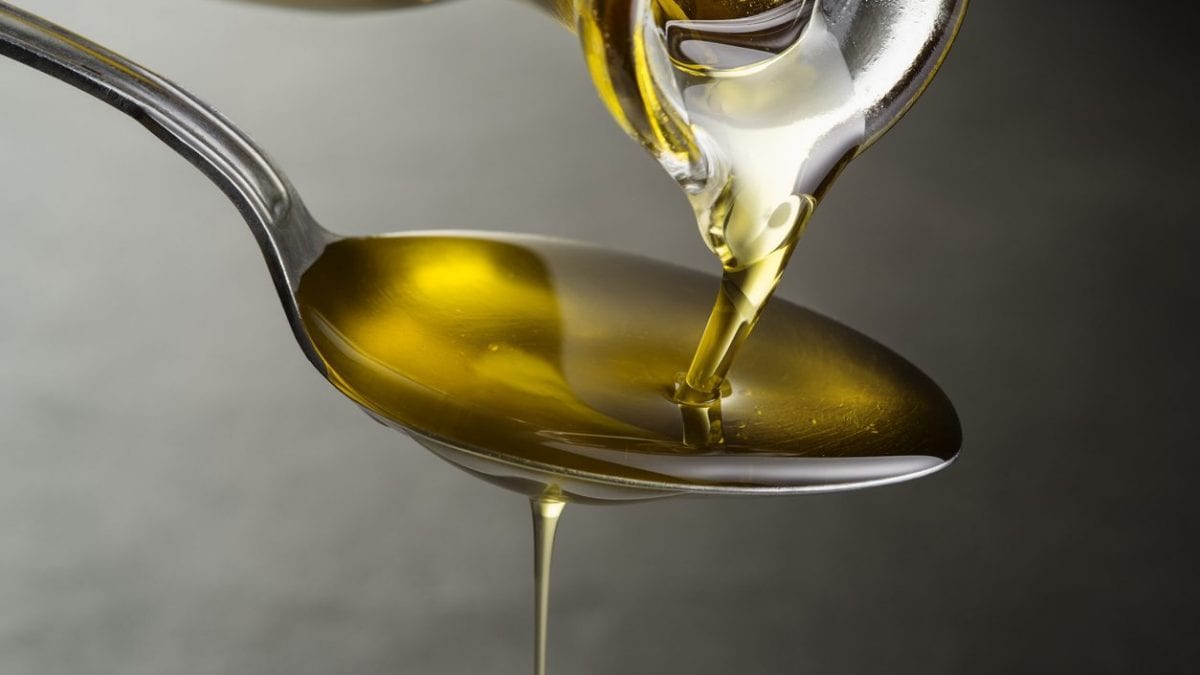
This is an excellent dietary supplement, once used as a remedy for rickets; rich in omega-3 fatty acids, it also contains a good amount of vitamin A and a fair amount of iodine. Just one teaspoon a day provides approximately 440 IU of vitamin D. Since it has a rather unpleasant taste, it is best to take it in supplement form in capsules or capsule form.
2. Fatty and Oily Fish

So-called fatty fish and some types of oily fish, in addition to their excellent content of omega-3 fatty acids, are precious for stocking up on vitamin D. According to data from the USDA FoodData Central database, raw eel is among the richest sources, providing approximately 231 μg per 100 grams, equivalent to 924 IU, a value which drops to approximately 800 IU if smoked. Salmon has very variable values depending on its origin: raw wild salmon provides 24.7 μg per 100 grams (988 IU), while raw farmed salmon is around 13.1 μg per 100 grams (24 IU). Canned, drained sardines contain 4.8 μg per 100 grams, equivalent to 192 IU.
Fresh raw tuna provides approximately 3.8 μg per 100 grams (152 IU), while light, drained canned tuna averages 6.7 μg per 100 grams, corresponding to 268 IU, making it a practical and nutritious product even for rich and filling salads. As always, the quality of the raw material is fundamental: fish from controlled sources and, in the case of preserves, preferably preserved in glass jars or in good-quality oil.
Caution: The vitamin D values reported for different types of fish are indicative. Actual content may vary significantly depending on the species, origin (wild vs. farmed), season, part of the fish consumed, and cooking or storage method. For this reason, the amounts expressed in IU per 100 grams should not be interpreted as absolute values, but rather as average estimates derived from available nutritional tables. For specific medical or dietary needs, it is always advisable to consult current sources and a qualified professional.
3. Liver

Inexpensive and highly nutritious, liver is an excellent source of vitamin D, but also of vitamin A and vitamins of the B group. An often underestimated food, despite its benefits and enormous potential, it is also the main ingredient in numerous traditional regional recipes: such as Venetian-style liver and liver crostini, typical of Tuscan cuisine.
4. Butter

Wrongly demonized and banned from weight-loss diets, butter is actually a very valuable food: centrifuged butter, in particular, contains higher quantities of fat-soluble vitamins (A, D, E, and K) and a better lipid profile than creamed butter. Even full-fat cheeses, such as Parmesan and Grana Padano, whole-fat plain yogurt, and raw milk provide excellent amounts of vitamin D (a cup of the latter contains about 98 IU): obviously, they should be consumed in the right doses and frequently, without overdoing it.
5. Chicken Eggs

A precious food, which can be consumed every day, eggs contain proteins of high biological value, complete with essential amino acids, and of the highest quality; the yolk, in particular, is rich in lecithins, which promote the activity of HDL cholesterol, the so-called "good" cholesterol, mineral salts, B vitamins and vitamin K; they also contain an excellent quantity of vitamin D, essential for the proper functioning of the immune system and for preventing osteoporosis in adulthood (1 large egg contains approximately 41 IU).
To ensure we get all these nutrients, it's important to pay attention to which eggs we buy: we always prefer those from a trusted farmer or opt for organic ones, from free-range hens fed natural feed.
6. Fish Eggs

We are talking about salmon roe, sturgeon roe – the prized "caviar" – lumpfish roe, a product of greater production and consumption, also thanks to a less strong taste and a lower cost than lumpfish roe, but also than those of freshwater fish, such as carp or tench; rich in omega 3 fatty acids, they have a high content of high biological value proteins, iron and fat-soluble vitamins, in particular vitamin D.
7. Mushrooms

In the plant world, besides algae, mushrooms can also be considered a good source of vitamin D; 150 grams of fresh produce contains approximately 2 IU. Dried mushrooms are richer in vitamin D, but a good amount can also be found in varieties such as porcini, chanterelles, honey mushrooms, and field mushrooms.
;Resize,width=767;)
