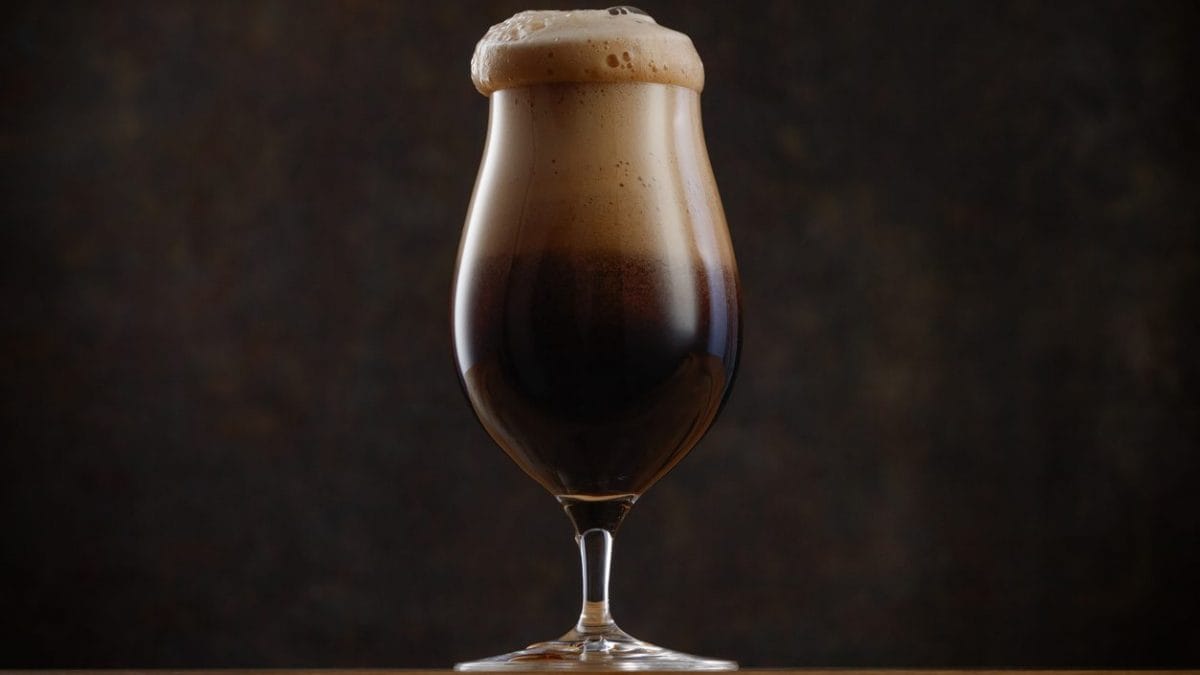
In the magical universe of beer, there's one that many people probably don't know about: some might consider it undrinkable, others an insult to the traditional way of consuming this beverage, because for us, beer should be cold, almost icy (even if it shouldn't). The practice of bierstacheln – from which the beer takes its name – however, involves immersing a red-hot metal rod into the drink. The result? A warm beer, or almost, with a sweeter taste and a caramel-like head.
How is Bierstacheln Made
This is a very ancient technique, born from Central European tradition, and involves a very curious process: a small iron rod, heated to almost 1110°F/600°C, is immersed in a cold beer, creating a wonderfully sweet and silky foam. It's not magic, but just a simple chemical reaction: the heat of the rod caramelizes the residual malt sugars, especially present in dark and structured beers. When this rod comes into contact with the drink, the surface of the liquid and the foam undergoes a sort of brief heating: this results in a transformation of the sugars, releasing notes of caramel, toffee, and biscuit, while the foam becomes creamier and sweeter, with a color very similar to a toasted marshmallow.
The drink, especially here in the U.S., is also known as beer brûlée because the preparation method closely resembles that used to make the famous crème brûlée. The bierstacheln technique can be applied to many beers, but since a significant amount of sugar is required, the most recommended are stouts, barleywines, and porters, although bocks and doppelbocks, or strong ales, can also be suitable. IPAs or APAs, however, should be avoided, as the essential oils contained in the hops could burn and create bitter, metallic notes.
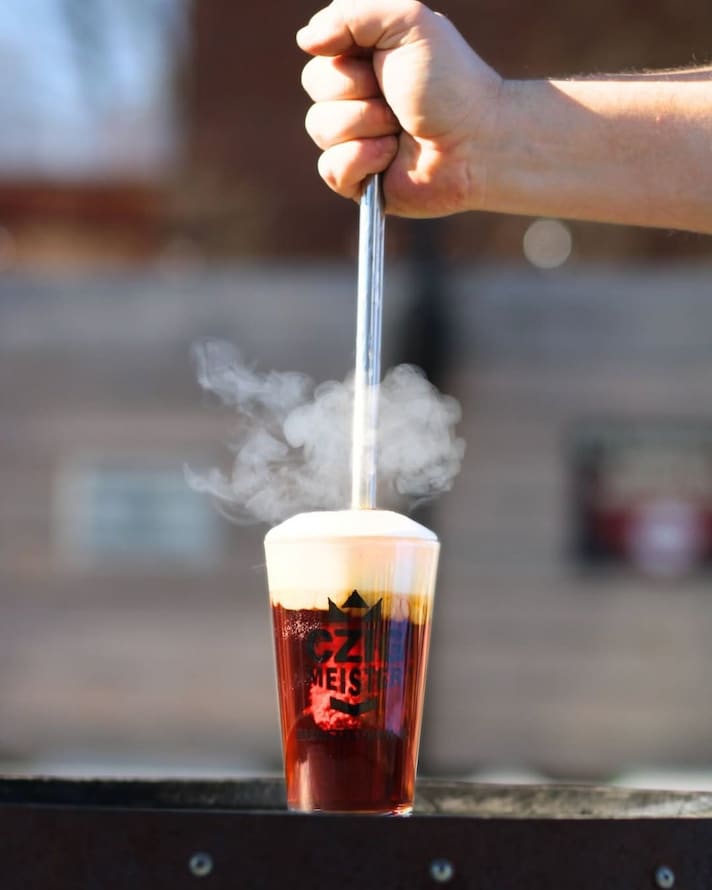
Despite the use of a red-hot rod, this isn't a completely hot beer: the increase in temperature only affects the area immediately in contact with the iron, not the entire beverage. The creation of the foam, however, is enough to create a distinctive aromatic perception and a truly interesting texture. Furthermore, the heat slightly dampens carbonation, or the presence of carbon dioxide that gives beer its fizzy sensation. The sudden heat releases some of the carbon dioxide rapidly, resulting in fewer bubbles and a sweeter, smoother taste.
A Beer Too Cold and a Hot Iron At Your Disposal
It's strange and curious to imagine that one day someone woke up and thought, "Now I'm going to put a red-hot iron in my beer." The idea, however, didn't arise from a momentary madness, but from a specific necessity. Various legends tell that, centuries ago, in Germany, beers were stored in freezing caves, before modern preservation systems were invented. During the winter months, however, the desire was to consume a beverage that wasn't excessively cold: for this reason, the blacksmiths decided to immerse a red-hot tool, which was at hand, into the beer. And thus was born a practice that is still used today, not out of necessity, but to provide a particular and decidedly original tasting experience.
;Resize,width=767;)
