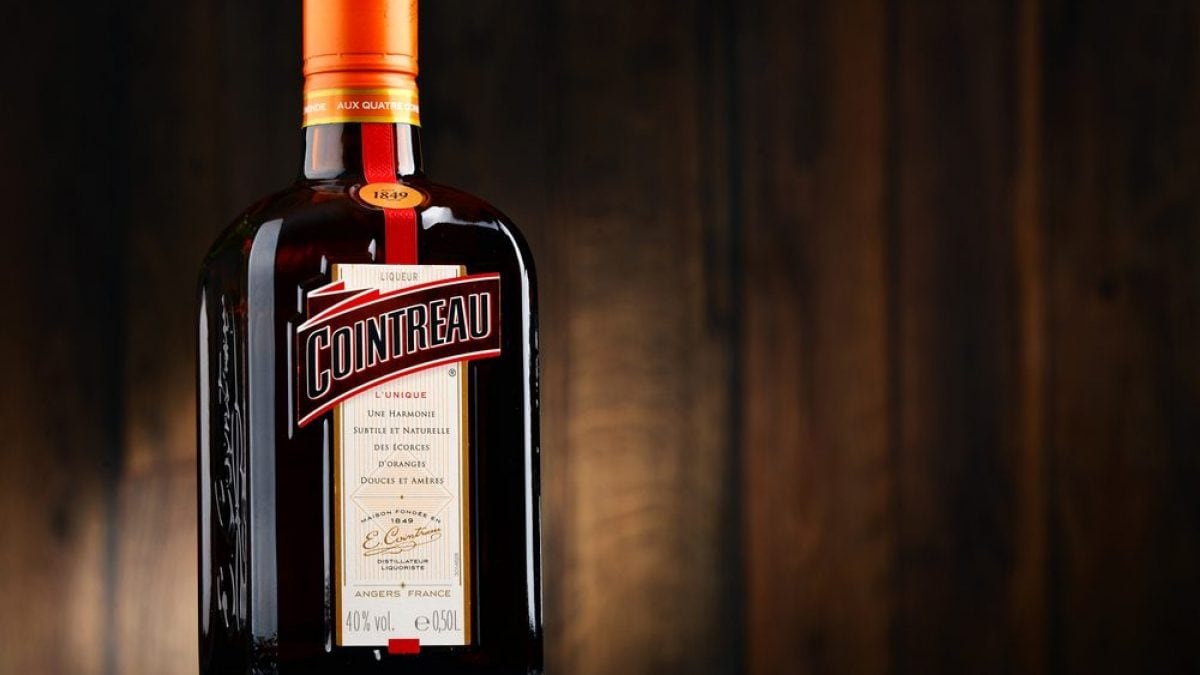
Crystal clear, intense, and surprisingly versatile: Cointreau is much more than just an orange liqueur. Originating in the Loire Valley, this French spirit has won over bartenders and enthusiasts around the world thanks to its complex aromatic profile and ability to enhance any cocktail in which it is used. With an alcohol content of 40% and a recipe that excludes any artificial flavorings, Cointreau is now considered one of the most refined and recognizable triple secs on the market.
Behind its amber bottle lies a transparent spirit, with an olfactory bouquet rich with over 40 nuances: fresh citrus, floral notes, spicy and herbaceous accents. On the palate, the balance between sweetness and bitterness creates a citrus symphony that lingers elegantly, leaving a warm and clean finish. It is precisely this duality, combined with its bold alcoholic structure, that makes it an essential ingredient in contemporary mixology.
Cointreau's History and Origins
The history of Cointreau dates back to 1849, when Adolphe Cointreau, a pastry chef from Angers, decided to expand the family business by producing liqueurs. The first experiment was the Guignolet, made with wild cherries, but the real turning point came in 1875 with Édouard Cointreau, son of Édouard-Jean. Visionary and meticulous, Édouard dedicated himself to creating an orange liqueur, a rare and precious fruit at the time.
After years of research, Cointreau was born in 1885: a crystalline spirit, less sweet than the Curaçao of the time, capable of expressing the perfect harmony between sweet and bitter orange peel. That same year, the trademark was officially registered, marking the beginning of a story that has spanned generations and revolutions in taste.
How is Cointreau Made?
The Cointreau production process has remained faithful to tradition for over 170 years. It all begins with the selection of orange peels, sourced from countries such as Ghana, Senegal, Tunisia, Brazil, and Spain. Carole Quinton, the current Master Distiller, travels personally to select the finest varieties.
The oranges are peeled by hand, separating the bitter oranges into thin ribbons and the sweet oranges into segments. The peels are then dried in the sun for 3–5 days until they reach the ideal humidity level. This is a crucial process for preserving the aromatic essential oils contained within the peels, concentrating and stabilizing them before the next stage of distillation. The mixture of fresh and dried peels is then macerated in neutral alcohol, derived from sugar beets, allowing the essential oils to slowly release.
Distillation takes place in copper stills, identical to those used by Édouard Cointreau; only the "heart" of the distillation is preserved, while the heads and tails are discarded to ensure purity and quality. The distillate is then mixed with pure water, sugar, and neutral alcohol in secret proportions, before being filtered and bottled.
In Which Cocktails Does Cointreau Feature?
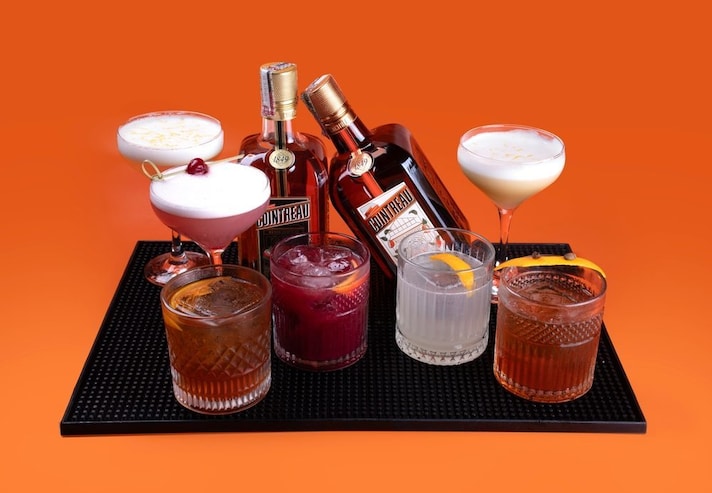
Cointreau is the star of over 500 cocktails, many of which are recognized by the IBA (International Bartenders Association). Its ability to balance, enhance, and harmonize other ingredients makes it indispensable in numerous classic recipes.
1. Margarita
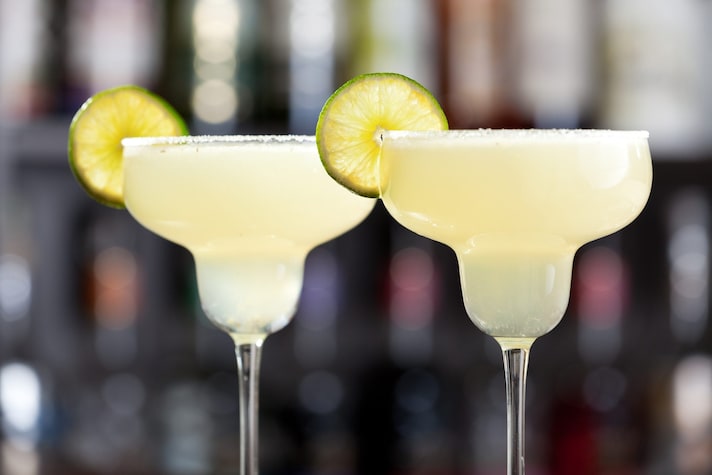
Cointreau gives the Margarita a citrusy freshness that perfectly balances the intensity of the tequila and the acidity of the lime. Bright notes of orange zest emerge on the nose, while on the palate the liqueur amplifies the drink's structure with a clean, lingering finish.
2. Cosmopolitan
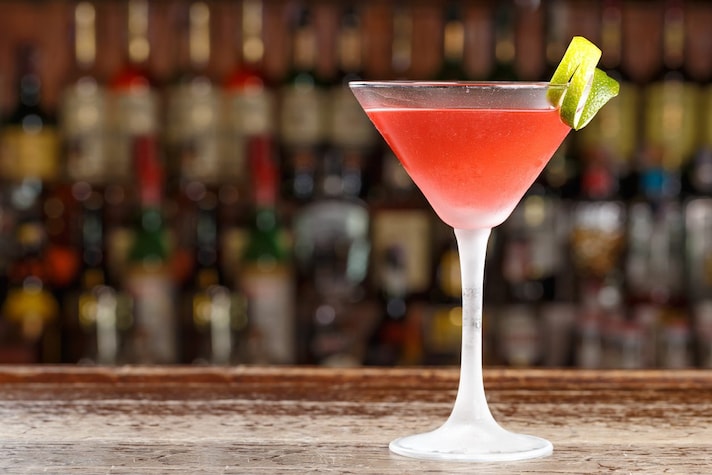
In the Cosmopolitan, Cointreau adds depth and roundness to the blend of vodka, cranberry, and lime. The aroma is elegant, with hints of citrus and red fruits, while the taste is fresh, slightly acidic, and harmonious, with a pleasant citrus aftertaste.
3. White Lady
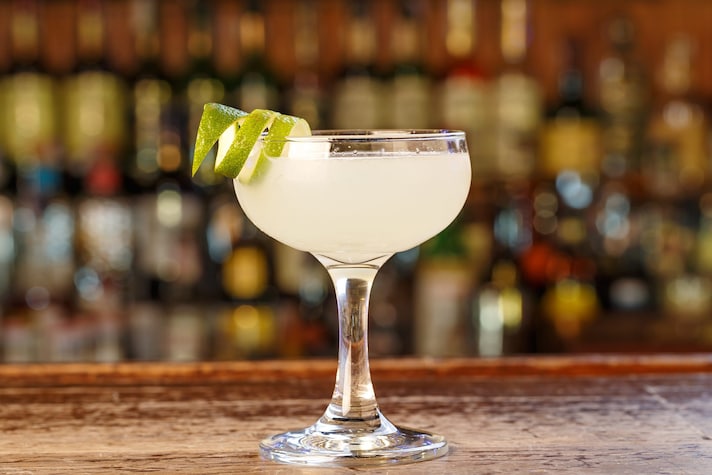
This refined cocktail highlights the citrusy component of Cointreau, which blends with gin and lemon juice in a dry and aromatic balance. The aroma is floral and citrusy, while the flavor is bold, with a hint of bitterness that adds character.
4. Sidecar
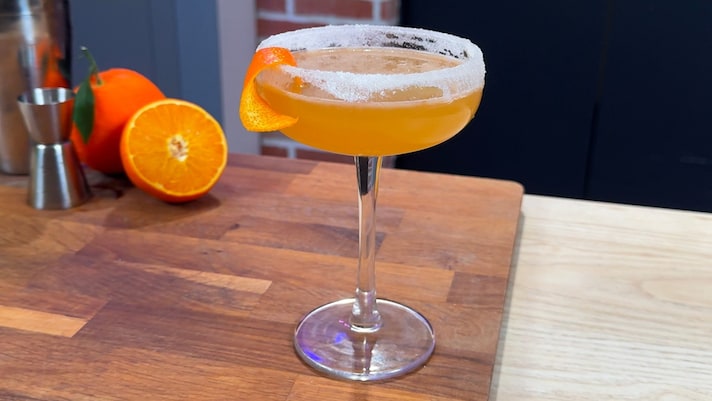
In Sidecar, Cointreau marries cognac and lemon, creating a structured and enveloping drink. The liqueur brings notes of candied peel and vanilla, which complement the smoothness of the cognac and the acidity of the lemon, for an elegant and persistent result.
5. Corpse Reviver #2
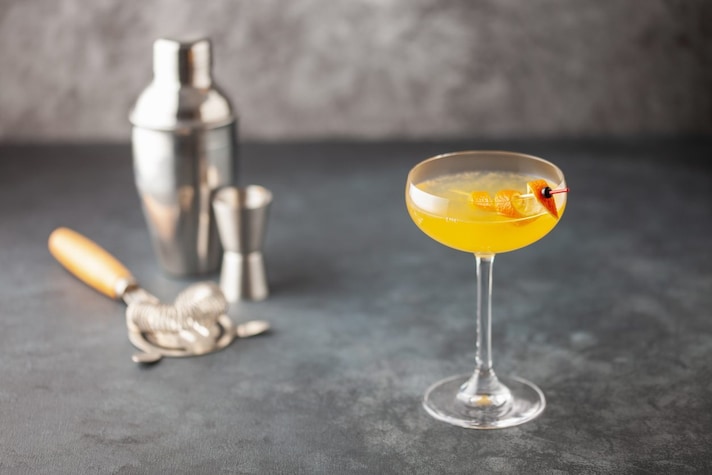
Cointreau is the element that brings balance to this complex cocktail, where it combines with gin, Lillet Blanc, lemon juice, and a touch of absinthe. The result is a lively, herbaceous, citrusy drink. The Cointreau brightens the mix and amplifies its freshness.
6. Cointreau Fizz
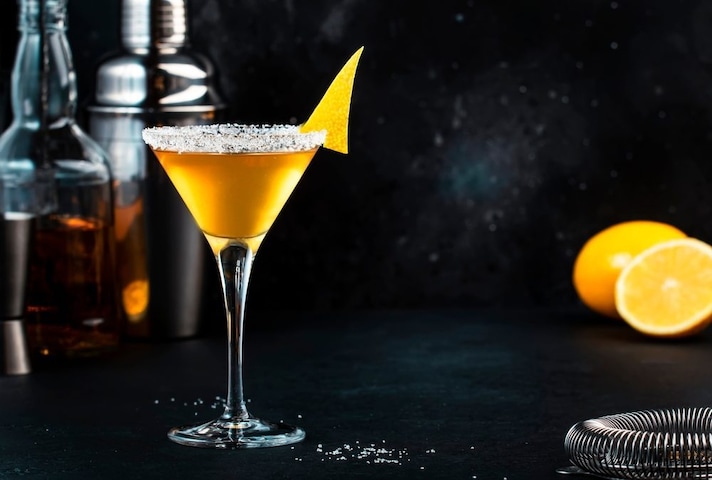
Created by the House itself, Cointreau Fizz is a tribute to the purity of the liqueur. Combined with fresh lime juice and sparkling water, it releases notes of orange zest and lime, for a light, refreshing, and bright drink. An elegant alternative to the Spritz.
;Resize,width=767;)
