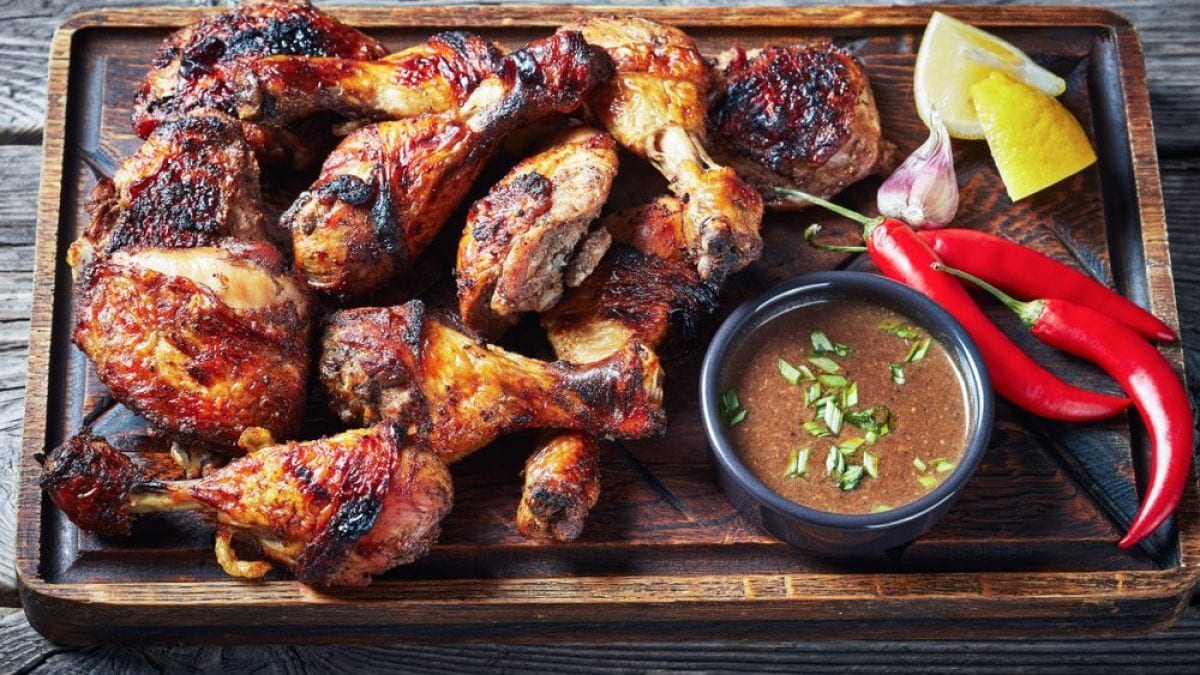
Jamaica is an island in the Caribbean Sea with a history rich in cultural contamination, where even the cuisine represents this melting pot of Africans, Europeans and indigenous peoples, just like its famous reggae music, a UNESCO World Heritage Site since 2018. This is where jerk comes into play, a cooking technique that dates back to the times of the colonization of the island, and which can be considered the Jamaican version of barbecue, another variation on the theme like the typical BBQ of the United States, the Brazilian churrasco or the Korean gogihui.
Here too, jerk is much more than just a way to prepare food; it's closely tied to the traditions of a community. Specifically, it speaks of escape, of a need for survival, of a true celebration of resistance and sharing: slaves, smoked meat, and, of course, spices are all involved.
Jamaican Jerk's Origins
Jamaican jerk is linked to the troubled history of the Caribbean island: its origins date back to the period of colonization by the Spanish and then the British between the 17th and 18th centuries, but its roots are deeper and lead back to the ancient Arawak people, in particular the Taino, who settled from South America to Jamaica around 2000 years ago, well before the arrival of Columbus in 1494, during his second voyage.
The Taino preserved meat through a smoking and drying process that involved cooking it very slowly over wooden embers, so that it could be available for a long time. When the Spanish occupied the island, most of these indigenous people were exterminated, but their way of treating food did not disappear completely. With the arrival of the British colonists in 1655, who definitively replaced the previous "conquistadors" with the Treaty of Madrid of 1670, Jamaica gradually became an important center for sugar production: hence the need for a greater workforce, which was imported from the African continent.
In the 18th century, some of these slaves managed to escape, taking refuge in the Blue Mountains, where they formed autonomous communities known as “maroons.” The maroons first adopted and then adapted Taino cooking techniques, combining them with their own African culinary traditions. From this fusion, jerk was born: to avoid being discovered by the colonists, they developed an ingenious method of cooking. It involved digging holes in the ground, known as “smokeless pits,” where they lit a fire on which they cooked the meat, especially wild boar (a hunted animal), sprinkled with spices and wrapped in leaves to maintain tenderness. The cavities were covered with earth, minimizing smoke and, consequently, the risk of being detected.
How to Make a Modern Jerk
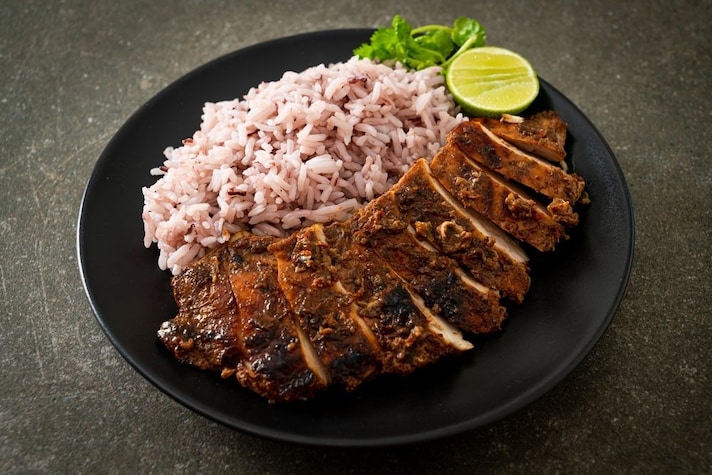
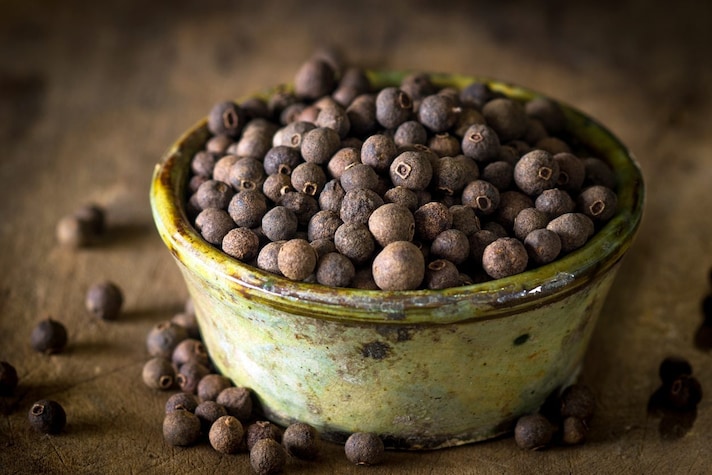
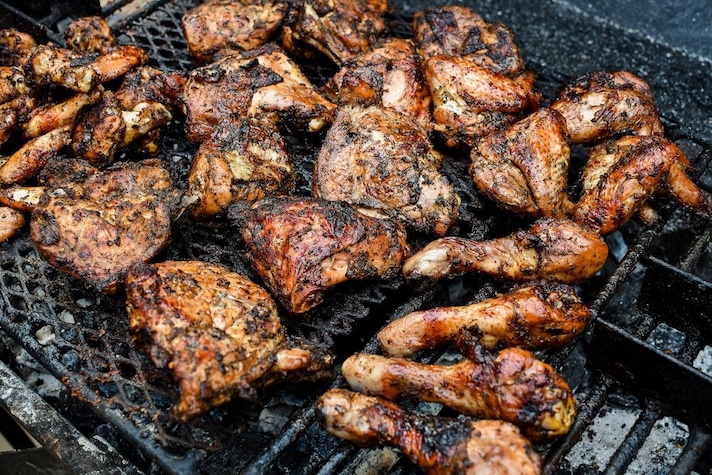
Obviously, over the centuries the cooking method has evolved, with jerk becoming increasingly identified with the marinade used to prepare the meat, whether chicken (the most famous dish is jerk chicken) or pork – but which now also involves other foods, such as fish and shellfish, or tofu, in a vegetarian and vegan version – and its smoking. The heart of jerk style is the "jerk seasoning", a blend of spices that can vary slightly depending on the family recipe, but which always includes some classic ingredients. First of all, allspice, also known as Jamaican pepper, which comes from a native tree, known as allspice, which not only offers its highly aromatic berries (with a scent of black pepper, cloves, nutmeg and cinnamon), but also its wood, allspice wood, which is used to prepare the embers and which gives the specific smoky note.
Another essential ingredient is the Scotch Bonnet chili pepper: typical throughout the Caribbean, it can be red or yellow and has a high level of spiciness, reaching 200,000 SHU on the Scoville scale. Thyme, garlic, onion, ginger, and often even brown sugar, which balances the spiciness with a touch of sweetness, are added. The mixture is then blended to create a creamy sauce. The meat is carefully massaged with this seasoning and left to marinate for several hours, no less than 12, so much so that it is usually prepared the day before.
Fun Facts
With the emigration of Jamaicans around the world, jerk has traveled far beyond the island's borders, and today jerk restaurants and kiosks can be found in cities like London, New York, Toronto, and many other urban centers with a significant Caribbean presence. Furthermore, in the second half of the 2010s, it achieved enormous international popularity thanks to the chef and multimillionaire entrepreneur (and resident of the Big Brothers UK house in 2024) Levi Roots, thanks to his Reggae Reggae Sauce, the most beloved BBQ sauce in Great Britain. But be careful, jerk should not be overused, because Jamaicans hold it very dear. The one who paid the price was the famous British chef Jamie Oliver in 2018, who launched a preparation called Punchy Jerk Rice, inspired by the flavors of Jamaica: not only was he accused of improper use of the term, but also of cultural appropriation, sparking a great debate.
;Resize,width=767;)
