
Blood sugar is simply the amount of glucose present in the bloodstream: it increases following food intake and returns to its previous levels a few hours after eating. Maintaining blood sugar levels within an optimal range is essential for avoiding metabolic diseases, such as diabetes or insulin resistance, and therefore enjoying good health. What do we mean by hyperglycemia, and what are its causes and symptoms? Is it possible to reverse the trend with a healthy and balanced diet?
We asked these questions to a dietitian and teacher, who helped us clarify the issue and understand what measures we can implement in everyday life. Let's find out together.
What is Blood Sugar and What Are the Normal Values?
Blood sugar is the measure of glucose levels in the blood, and its concentration is regulated by two hormones with opposing effects: insulin , which allows glucose to enter cells, and glucagon, which stimulates its release, causing blood sugar levels to rise. Levels that are too high or too low can be dangerous and indicate a disease, such as diabetes.
Blood sugar testing is performed by taking a blood sample after fasting for eight hours, and the glucose level must be between 60 and 110 mg/dl (the reference range may change based on age, sex, and even the equipment used by the individual laboratory where the tests were performed).
Hyperglycemia is a condition in which blood sugar levels exceed 100 mg/dL. "High fasting blood sugar tells us almost nothing, unless it's particularly high, above 100-110 mg/dL," our expert explains.
"There are people, for example, who have a fasting blood sugar level of 80-85 mg/dL, a value that, if not put into context, can mean nothing. It would be advisable to have a glycated glucose screening, which checks blood sugar levels over the previous three months, as well as an insulin screening (which measures the amount of insulin in the blood)," continues our expert.
It may also be necessary to monitor blood sugar levels over a 24-hour period, using a Holter monitor, to see how they change after meals. "This is what matters most: you may find high fasting blood sugar levels, then return to perfectly normal levels throughout the day. High fasting blood sugar levels can also occur in very athletic people, especially endurance athletes, or in people who have let too many hours pass between dinner and the blood sugar test: in this case, the increase may be due to a very fast metabolism."
The Causes and Symptoms of High Blood Sugar
Although high fasting blood sugar levels alone may not mean anything significant, they should always be monitored and taken seriously. "When the other values listed are also abnormal, it can be a warning sign," the nutritionist tells us. "It can contribute to insulin intolerance and the development of metabolic problems associated with low-grade inflammatory diseases and an increased risk of cardiovascular disease and type 2 diabetes."
As mentioned, it's perfectly normal for blood sugar levels to rise after a meal, especially if it's high in carbohydrates: it's a sign that the body is doing its job. The problem arises when it rises too high or, worse still, when it fails to stabilize in a timely manner. This can happen for a variety of reasons: an unbalanced diet, too high in calories or free sugars, or lack of physical activity. It could also be a symptom of something more serious, such as metabolic syndrome or a form of prediabetes.
The symptoms of high blood sugar can vary: intense thirst, fatigue, frequent urination, constant hunger, or difficulty concentrating. But sometimes there are no obvious signs, which is why it's helpful to have regular checkups, especially if there's a family history of diabetes.
What Foods To Eat and Which Ones You Should Avoid
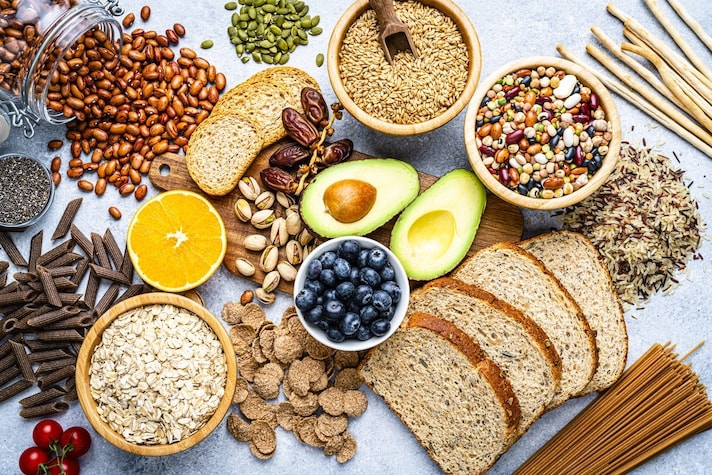
For optimal glycemic control, lifestyle and diet play a crucial role. "Once a glycemic abnormality has been established, the preventive diet should be Mediterranean-based, with a preference for whole grains, a reduction in sugar consumption, and an increase in healthy fats from extra virgin olive oil, nuts, and fish," suggests our expert.
Foods to Choose for Lowering Blood Sugar Levels
Complete and varied meals, containing all three main macronutrients, allow us to keep blood sugar levels under control and avoid the infamous glycemic spike, or the maximum increase caused by a specific food: the higher the value, the worse the complications will be for our body.
"By exposing ourselves to constant glycemic spikes, we risk the insulin response —whose primary function is to lower blood sugar levels—gradually becoming less effective," the expert explains. This is why a low-glycemic diet, rich in natural, vibrant foods, remains the most effective key.
Let's now see which foods are good to introduce into our daily menus:
- Whole grains (rice, spelt, barley, oats), pseudocereals (quinoa, buckwheat, amaranth), and preferably whole-grain pasta and bread: in unrefined products, the grain retains all three components intact—bran, germ, and endosperm—providing a higher amount of fiber, vitamins, and minerals. Refining, however, strips the grain of its fiber and germ, its most valuable and beneficial components, and for this reason, it has a higher glycemic index.
- Fresh, seasonal vegetables, especially those with leafy, non-starchy greens: rich in water and soluble fiber, they're filling and have a lower impact on blood sugar levels. Bitter-tasting vegetables like radicchio, arugula, and chicory are also excellent, helping support liver function and improving digestion.
- Fresh fruit, again choosing seasonal, local, and preferably organic (if from a reliable source, we can consume it with the peel, for a greater amount of fiber and valuable micronutrients). Try to vary the types and colors —this way, we'll get plenty of antioxidants—and favor fruits with a tart aftertaste and low sugar content, such as oranges, blueberries, raspberries, strawberries, and kiwis;
- Legumes, such as chickpeas, beans, lentils, and peas: a source of plant-based protein, they are rich in fiber and low in fat. Lacking some essential amino acids, they are best paired with grains for a complete protein-rich and filling meal. Since they contain specific carbohydrates called galactooligosaccharides, which can cause bloating and flatulence, they should be consumed two or three times a week (although tolerance levels vary).
- lean proteins with a high biological value, such as small and blue fish, rich in omega-3 fatty acids, and other fish species caught in our seas or from marine cage farms, organic eggs and white meat from non-intensive farms that do not use antibiotics;
- Dried fruit: a true powerhouse of nutrients and polyunsaturated fats, especially omega-3 and omega-6. Eat it in the right quantities, combining it with other foods in the most appropriate way, and consume it raw, untoasted, and without added salt or sugar.
- Extra virgin olive oil (preferably raw): rich in monounsaturated fatty acids, especially oleic acid, polyphenols, powerful natural antioxidants, and vitamin E; to fully exploit its infinite properties, it's best consumed raw. In addition to extra virgin olive oil, we can also use extra virgin coconut oil, avocado oil, and ghee (clarified butter): healthy fats improve insulin sensitivity and slow gastric emptying.
In general, it's best to pay attention to the meal as a whole rather than to individual foods. In this regard, we can refer to the so-called Harvard Plate, a simple and intuitive methodology that involves schematically dividing the plate into three parts: the first half is taken up by vegetables, especially greens, while the remaining half is in turn divided between a carbohydrate source and a protein source.
This model allows us to split our nutrient intake, moving beyond the old model of the classic split diet that involved eating carbohydrates for lunch and proteins for dinner. "There's a different division that allows for a more gentle modulation of the release of certain hormones, particularly insulin," the expert explains. A meal composed like this allows us to keep blood sugar levels stable, feel full and satisfied even for several hours, without the need to constantly snack or hunt for the first snack we come across, and achieve greater mental clarity and a different, more positive metabolic management.
Eating vegetables and fruits, whole grains, and lean proteins helps prevent various chronic diseases, maintain a stable weight, and increase energy, mental well-being, and sleep quality.
Following a healthy, low-glycemic diet doesn't mean demonizing sugars: "If you overly restrict them, you risk a rebound effect and binge eating, which can only worsen the condition. Patients must be educated about conscious and moderate sugar consumption," concludes the nutritionist.

Foods (and Behaviors) to Avoid for High Blood Sugar
To maintain stable blood sugar levels, it's important to avoid, or at least limit, all foods rich in simple sugars, such as processed sweets, candy, snacks, various syrups, carbonated beverages, fruit juices, and energy drinks. The same goes for refined pasta, bread, and rice, rice and corn cakes, biscuits, and baked goods made with white flour and vegetable oils: they're certainly not an absolute evil, but their consumption should be sporadic, not daily.
For breakfast, it's best to avoid traditional packaged cereals and mueslis: rich in simple sugars, syrups, and vegetable fats, they're pro-inflammatory and have a high glycemic index. It's much better to replace them with organic oat flakes, which can be used to make delicious and filling porridge, overnight oats, and pancakes.
It's essential to limit packaged and ultra-processed foods, such as those made with margarine and other vegetable oils, as much as possible: processed at high temperatures and with the use of chemicals, they can produce potentially toxic substances, such as trans fatty acids. Eat preserved foods, such as sausages, cold cuts, canned fish, pickles, and dairy products in moderation: while these don't raise blood sugar levels, they require significant insulin production. Always choose artisanal, high-quality products.
Let's avoid meat and fish from intensive farms and let's reserve alcohol, which should be consumed in moderation, only for certain occasions of pleasant conviviality: classified as a carcinogen belonging to Group 1 by the International Agency for Research on Cancer (IARC), it can also have a hypo- or hyperglycemic effect depending on the type of drink and its sugar content.
Especially recently, low-carb or ketogenic diets have often been proposed to address this issue, but are these protocols actually effective? "In my opinion, they're not effective because they don't re-educate the person's relationship with food," our expert explains.
In conclusion, blood sugar levels rising after eating are a good thing and completely normal. What we need to ensure is that the body can then bring them back to the right levels, and to do so, a balanced diet, exercise, and the right mindset are all that's needed.
;Resize,width=767;)
