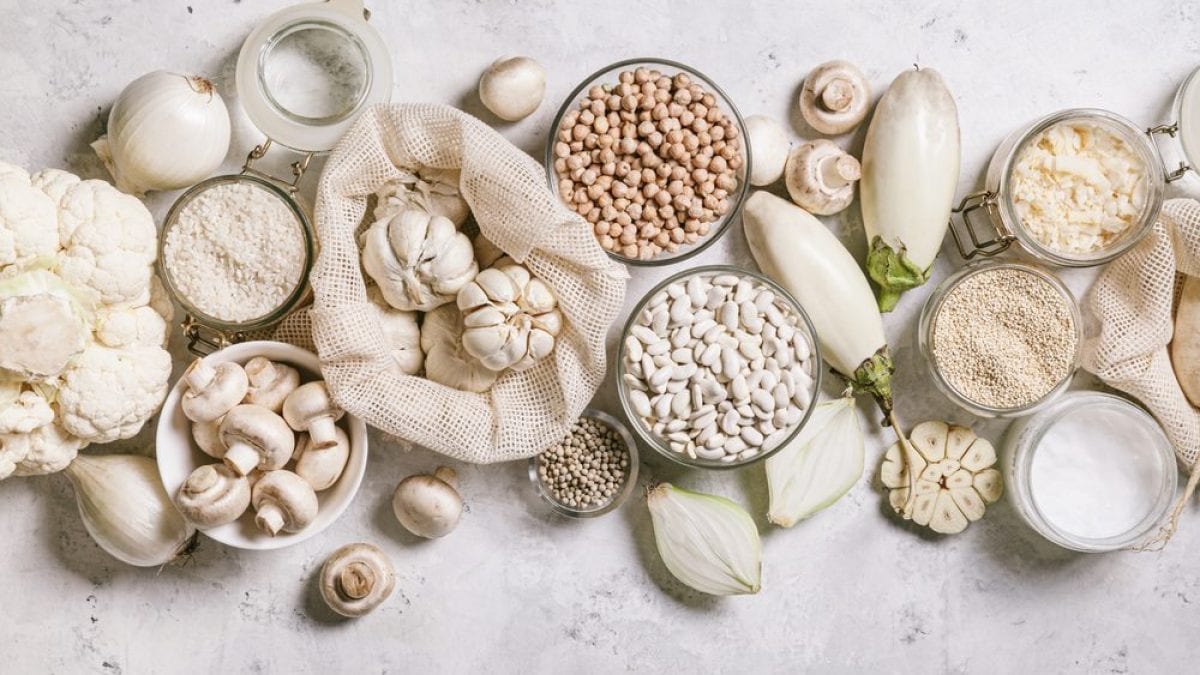
Nothing in nature is random, not even the color of what we eat. The different colors of foods like fruit and vegetables, in fact, are due to the presence of very specific pigments and substances that are not only responsible for their color, but above all that confer specific properties to that particular product. Precisely for this reason, many nutrition experts recommend following a "colorful" diet, balancing what are considered the "colors of well-being," that is, the 5 main colors into which fruit and vegetables are grouped. The color groups of fruit and vegetables are yellow/orange, to which carotenoids give a strong antioxidant power; blue/purple, in which anthocyanins infuse antioxidant and anti-inflammatory properties; green, due to the beneficial chlorophyll; red, containing precious substances such as anthocyanins and lycopene; and white. Today we're looking at white fruits and vegetables, whose characteristic paleness is due to the presence of vitamin C and allicin, potassium and selenium, flavonoids (especially quercetin), and sulfur compounds. Why are these "white" foods important? What are they, and why should you include them regularly in your diet? Let's find out together.

What Are White Fruits and Vegetables, And What Do They Contain?
The white fruit and vegetable category is very rich and includes many different foods, all characterized by a more or less intense white color. They are often overlooked compared to other color food groups, probably because of their "pale" color, which makes them perceived as less rich in nutrients and beneficial properties. Nothing could be more wrong! Just scroll through the list of foods belonging to this group to see how excellent they are for our body: this category includes garlic, onion, cauliflower, leeks, fennel, white celery and celeriac, cannellini beans, parsnips, Jerusalem artichokes, white chard, mushrooms, almonds, white potatoes, chestnuts, pears and white apples, white grapes, white peaches, white melon, lime, coconut, and banana.

They are very different foods, but they share the substances that make them white (present in greater or lesser quantities depending on the food) but also very useful for our health. There is a study by researchers Connie Weaver and Elizabeth T. Marr, "White Vegetables: A Forgotten Source of Nutrients" published in the journal Advances in Nutrition, in which they investigate the importance of a varied and balanced diet based on all types of fruit and vegetables, focusing attention on the beneficial effects of white foods. But what makes white foods so useful and so particular in terms of color? A truly remarkable mix of substances, among which the presence of vitamin C, quercetin, allicin, polyphenols, indoles, selenium, sulfur compounds and isothiocyanates stands out, but also essential mineral salts such as magnesium, potassium and calcium, as well as fiber and a high presence of water that makes them particularly hydrating.
What Are The Main Benefits of White Fruits and Vegetables?
You've probably realized that white fruits and vegetables have a much richer nutritional profile than their colorlessness might suggest, but what does all this mean in terms of benefits for the body? Among the main benefits of this food category are:
1. Antioxidant Action
White fruits and vegetables contain quercetin, an antioxidant belonging to the flavonoid family, useful for counteracting free radicals and the processes associated with premature cellular aging. Quercetin promotes the replenishment of vitamin E and strengthens the immune system. It is known for its anti-inflammatory properties, so much so that it is the subject of studies regarding its presumed usefulness in the treatment and prevention of various diseases and disorders caused by premature cellular aging, such as stroke. Also strengthening its antioxidant action are selenium, which affects the proper functioning of the thyroid, and sulfur (found in garlic, onions, and potatoes), useful for strengthening the growth of nails and hair.
2. Support Gastrointestinal Health
White fruits and vegetables are high in fiber, which is essential for regulating all bodily functions related to digestion and intestinal function. Regular consumption of foods from this category is therefore useful for protecting and stimulating the natural functioning of the entire gastrointestinal system.

3. Antibacterial Function
White fruits and vegetables are a true concentration of allicin, a powerful antibacterial substance found in garlic, but also in other foods such as leeks, potatoes, and fennel. For this reason, all these foods help fight "bad" cholesterol and improve blood pressure, and consequently contribute to overall heart and cardiovascular health.
4. They Strengthen Bones and Muscles
Foods belonging to this group are also rich in vitamin C, a fundamental substance for our body as it protects our immune system, promotes the absorption of iron and helps our body to synthesize collagen, thus strengthening bones, cartilage, muscles and blood vessels.

;Resize,width=767;)
