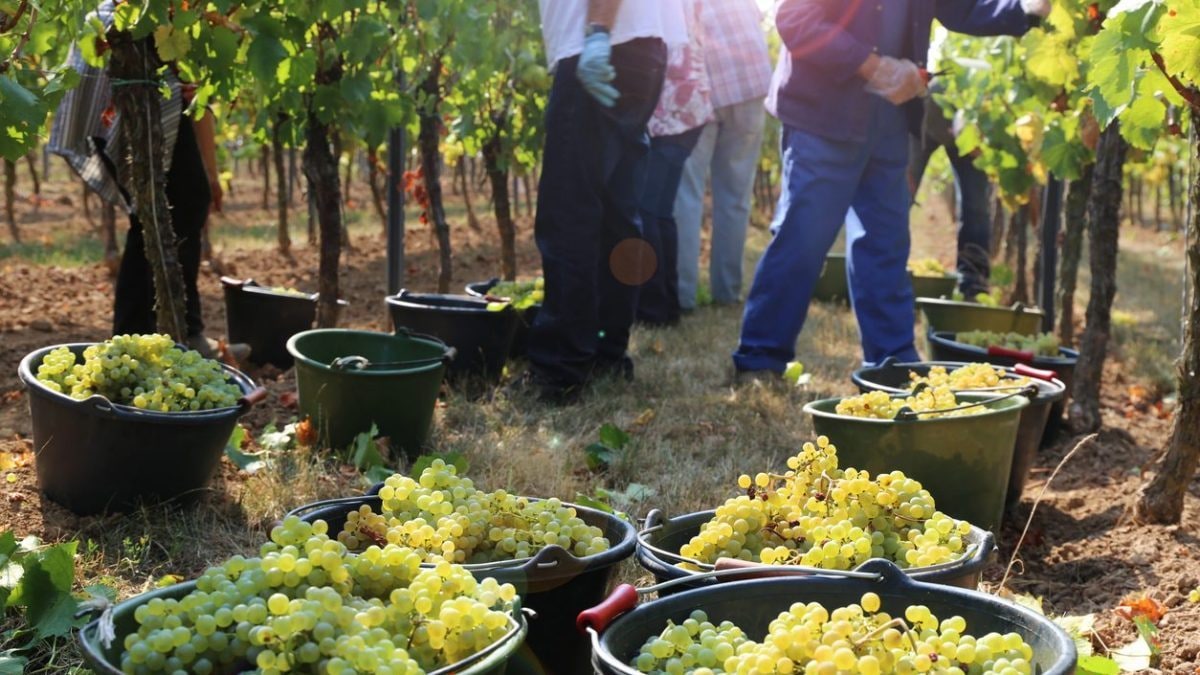
If it seems to you that the wine-harvest always arrives earlier than expected, it's not just your imagination. More and more winemakers are starting the grape harvest earlier than traditional times.
In the U.S., the 2024 grape harvest began earlier than usual in several key wine regions, especially in California, which produces about 80% of American wine. In Napa Valley, growers began picking grapes for white and sparkling wines in early August — with the first official reports coming around August 6–7, 2024 — after a wet winter, cool spring, and warm summer accelerated ripening.
California’s harvest was described as early and fast-paced, with many regions finishing sooner than normal. The reasons are familiar across modern wine regions: warmer summers, compressed ripening windows, water stress in some areas, and the need to pick before heat waves, wildfires, or late-season storms can damage the fruit. In short, American winemakers are increasingly harvesting earlier not because of tradition, but because the climate is pushing the vineyard calendar forward.
Wine-Harvest and Climate Change
You may have already guessed the reason behind the early wine-harvest: rising temperatures, due to climate change affecting the entire world.
Once upon a time, sommelier courses taught that the ideal habitat for growing vines was between the 30th and 50th parallel: this is because latitude affects two key factors for vine growth:
- The amount of sunlight and heat received is essential for the healthy growth of the vine.
- Temperature range: the difference in temperature between day and night is important for the qualitative development of the grapes.
With climate change, however, this rule no longer applies as it once did. We increasingly read about exotic regions becoming attractive production areas (as in the case of Bhutan) and areas less suited to the collective imagination becoming points of reference.
A case in point is English sparkling wines – which are gaining ever-increasing critical acclaim – arousing the envy and appetite of their French cousins in Champagne, who in response are purchasing more and more vineyard land in the area.
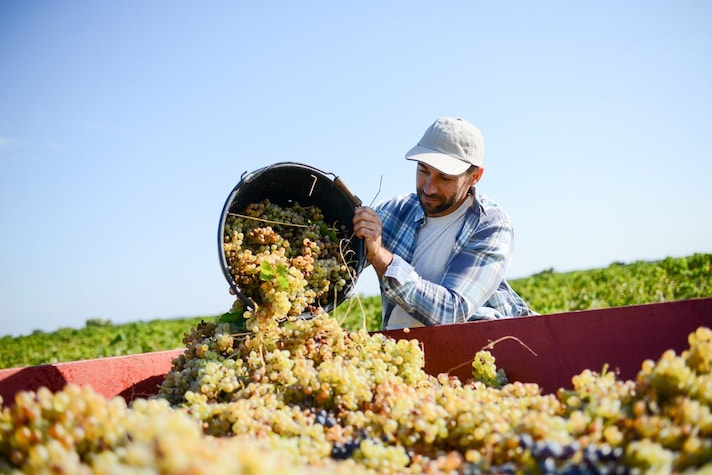
Unfortunately, we read just as often about extreme events linked to rising temperatures. Faced with growing climate challenges, many wineries are changing their approach. Some are choosing to move their vineyards to higher altitudes or cooler areas. Others are adopting heat-resistant grape varieties or controlled irrigation systems to protect the grapes during critical times, also thanks to the use of sensors and digital tools to monitor vineyard conditions in real time.
Vineyard management is also changing: more attention is paid to green pruning, canopy management, and monitoring ripening. These tools help harvest healthy grapes at the right time, even in increasingly unpredictable weather.
In an ever-evolving landscape, American winemakers are also doing everything they can to protect the quality of their wine. Bringing forward the harvest today isn't just a technical choice: it's a concrete response to the changes transforming the world of wine.
Early Wine-Harvest: How and Why
There's no single day on the calendar that can be identified a priori as the ideal time to begin the grape harvest. Every producer has a precise idea of the wine they want to make. Therefore, the harvest time is chosen when the grapes have reached the right level of ripeness and the right balance of sugars and acidity, in line with the desired wine style.
The harvest, as we've seen, can be brought forward to prevent damage to the vineyard and grapes, which could occur in cases of drought or excessive and prolonged heat. The opposite problem (heavy rain, hailstorms, late frosts) also poses a risk.
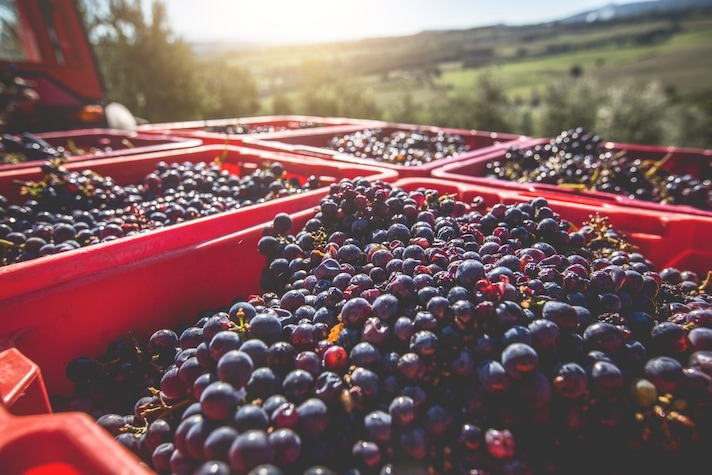
In extreme weather conditions, therefore, anticipating the harvest becomes necessary to prevent declines in grape quality and avoid situations such as excessive sugar concentration or a drop in acidity.
Extreme climates can also affect the flavor of wine. Overripe grapes accumulate more sugars: the result? Higher-alcohol, more intense wines. At the same time, the grapes' natural acidity declines, which can make the wines less fresh and flatter.
Which Grapes Are Harvested First (And Why)
Winemakers tend to harvest grapes intended for the production of white and sparkling wines early. This is because they seek freshness, delicate aromas, and good acidity in white and sparkling wines: qualities that are best preserved by harvesting earlier.
Furthermore, some grape varieties, such as Pinot Grigio, Chardonnay, and Müller-Thurgau, naturally ripen earlier (they are early-ripening vines, meaning they're ready as early as July-August) and are harvested early even under normal weather conditions. It's no coincidence that Cantine Ermes began the harvest with varieties such as Pinot Grigio, Chardonnay, Viognier, and sparkling wine bases.
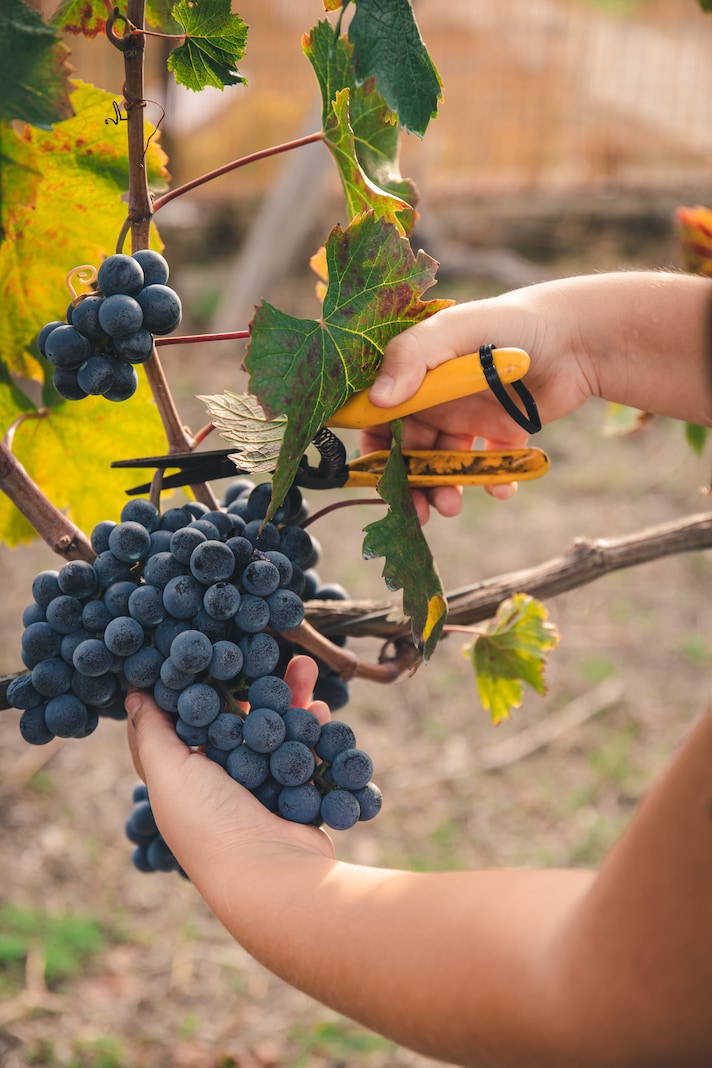
Trends can also influence harvest times: in the 1980s, there was a tendency to harvest earlier because the market demanded lighter wines. In the 1990s, however, we saw a reversal of this trend, especially for grapes used for red wines: there was significant market demand for structured, full-bodied red wines with good alcohol content. Today, however, producers must find a balance between public taste and the constraints imposed by a changing climate. And each increasingly earlier harvest also reflects this challenge.
;Resize,width=767;)
