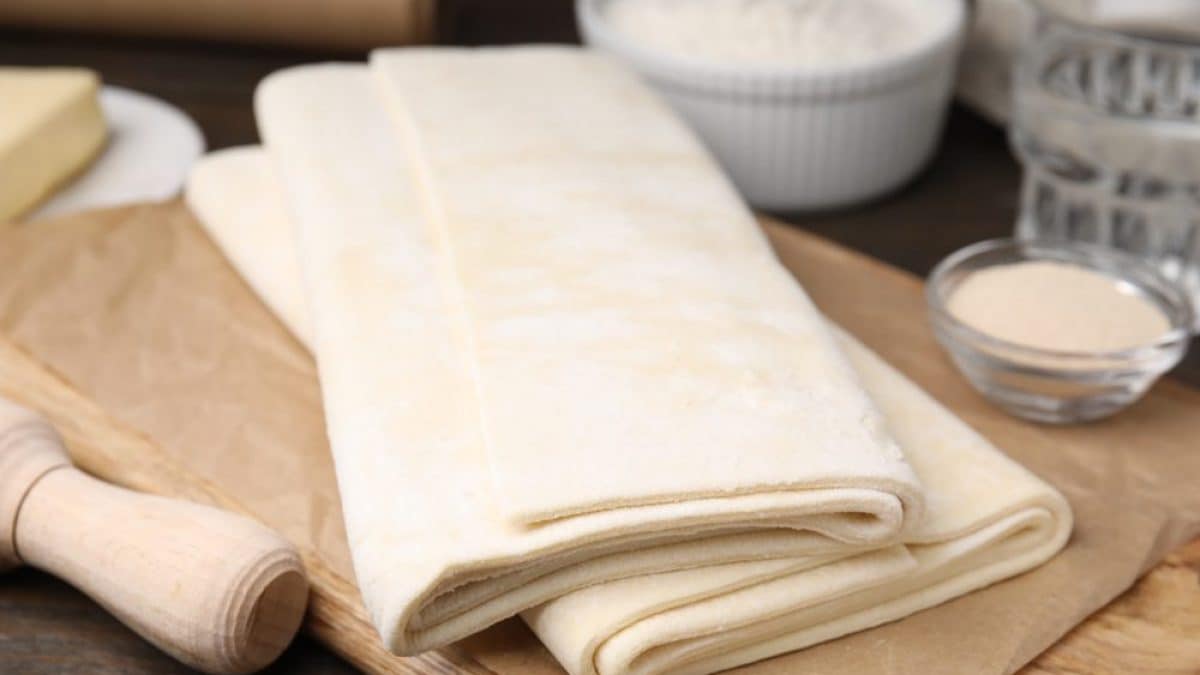
Puff pastry is a true all-purpose ingredient, capable of solving lunches, dinners, and appetizers with creativity and versatility. Whether sweet or savory, it lends itself to endless variations, from savory pies to stuffed parcels, and even desserts (even the most elaborate ones). However, making puff pastry at home requires a certain amount of skill and time, which is why packaged puff pastry is becoming the most popular choice, allowing you to achieve good results quickly and (significantly) with less effort. A common ingredient that, like other frequently used ingredients, from sourdough starter to tomatoes, always raises some questions: below, we answer the most frequently asked questions.
What Are The Ingredients in Packaged Puff Pastry?
Ready-made puff pastry contains ingredients that go beyond those found in the basic homemade recipe, which is made with flour, butter, water, and salt. Commercial products tend to have a longer list of ingredients. Typically, they include wheat flour, water, salt, fats (but also vegetable fats such as rapeseed, palm oil, or margarine), and some additives that primarily serve to improve consistency, flavor, and preservation. These include mono- and diglycerides of fatty acids, emulsifiers classified as "not recommended", as they can compromise the balance of the intestinal microbiota, causing chronic inflammation and increasing the risk of cancer if consumed in large quantities, citric acid, which is an acidity regulator, and ethyl alcohol, which preserves the food longer. Not all grocery store brands are the same: reading the label carefully will help you when purchasing.
Why Does Puff Pastry Taste Like Alcohol?
Let's take this opportunity to answer this very common question. The odor of alcohol in packaged puff pastry is often due to treatment with ethyl alcohol, which is used as a preservative: to prevent mold growth, very small amounts of ethanol are sprayed onto the surface of the product (we also notice it in sandwich bread). This is why the aroma is clearly noticeable upon opening, which disappears once cooked. However, the natural fermentation processes of the ingredients can also contribute to this smell: check that the package hasn't been stored for too long (you may have "forgotten" it) or in a suboptimal condition, and that there are no alterations, such as greasiness or, conversely, dryness, which could indicate inedibility.
Why Do Black Dots Appear on Puff Pastry?
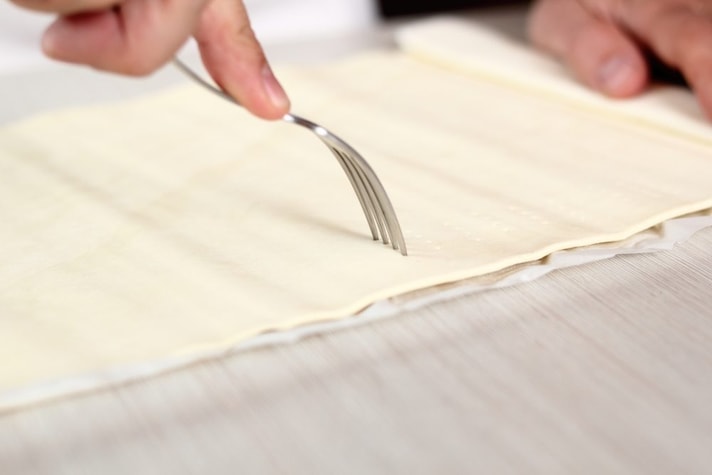
This phenomenon occurs especially when the pasta is stored in an excessively humid place or in contact with air, and is especially true with homemade puff pastry. The causes, however, are not univocal. It may be due to the use of a flour with low protein content, which speeds up the enzymatic degradation of the dough, causing the formation of dark spots on the surface: this is why homemade versions include vinegar among the ingredients, which has the function of lowering the pH. Or "impurities" in the flour come into play, such as bran or other residues, or even the oxidation of fats. If there are no other signs of deterioration, they do not represent a problem for using the puff pastry.
Can Puff Pastry Be Frozen?
Both homemade and store-bought puff pastry can be frozen (so much so that it's even available in the refrigerated section of grocery stores). Once made, the former is wrapped in plastic wrap or a freezer bag and placed in the freezer, where it will last for three months. Store-bought puff pastry can be preserved for the same amount of time, keeping it in its original packaging. Once baked, however, frozen puff pastry will last one to two months. In general, it's important that it doesn't come into direct contact with other foods, and once thawed, it shouldn't be refrozen, but consumed within 24 hours.
Can You Eat Expired Puff Pastry?
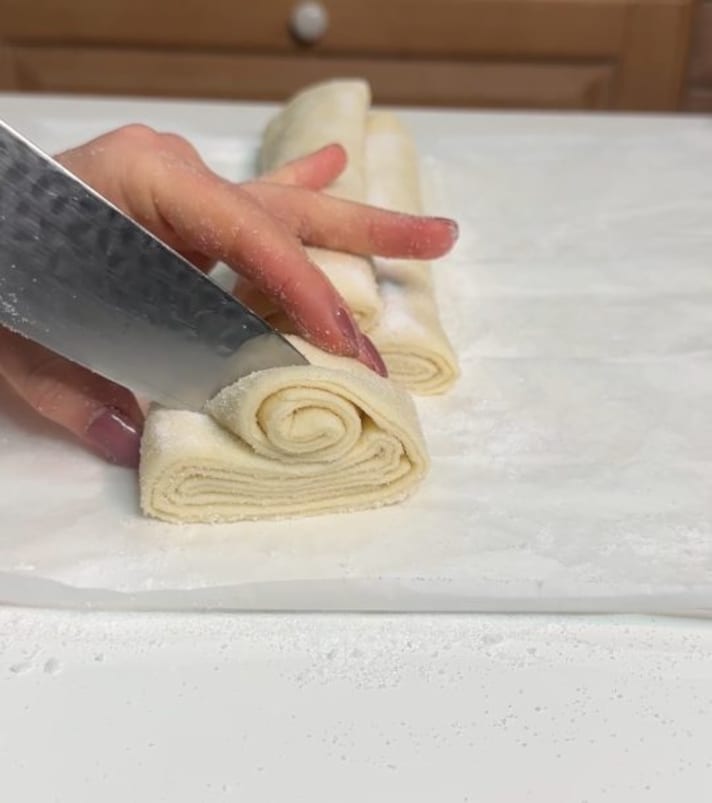
By now we know there's no single answer to this question. If you've bought puff pastry, the label is the one to consider, usually saying "best before." This means that if eaten after the date, the product isn't dangerous to your health, but it could lose its organoleptic qualities, making it less effective when used. However, you should be careful if it shows signs of damage that would make it better not to use it, such as a bad, rancid, pungent, or unpleasant odor, a dry or slimy consistency, or the appearance of mold. This also applies to homemade puff pastry. In short, if it's expired but intact, throwing it away is a mortal sin.
How Many Calories Are in Puff Pastry?
Its crumbly, light texture can be misleading, especially for those unfamiliar with the recipe: puff pastry is a very high-calorie food, containing up to 500 kcal per 100 grams. It's primarily made up of fat (butter is the original source), averaging over 20 grams per 100 grams (in light versions, it's around 12 to 15), with a good percentage of saturated fat (almost half), while the remainder is mostly carbohydrates (between 30 and 45 grams). It's also helpful to pay attention to the amount of salt in your diet, keeping in mind that the WHO recommends a total daily intake of 5 grams. In packaged products, the nutritional information table is an excellent guide to making the best choice.
;Resize,width=767;)
