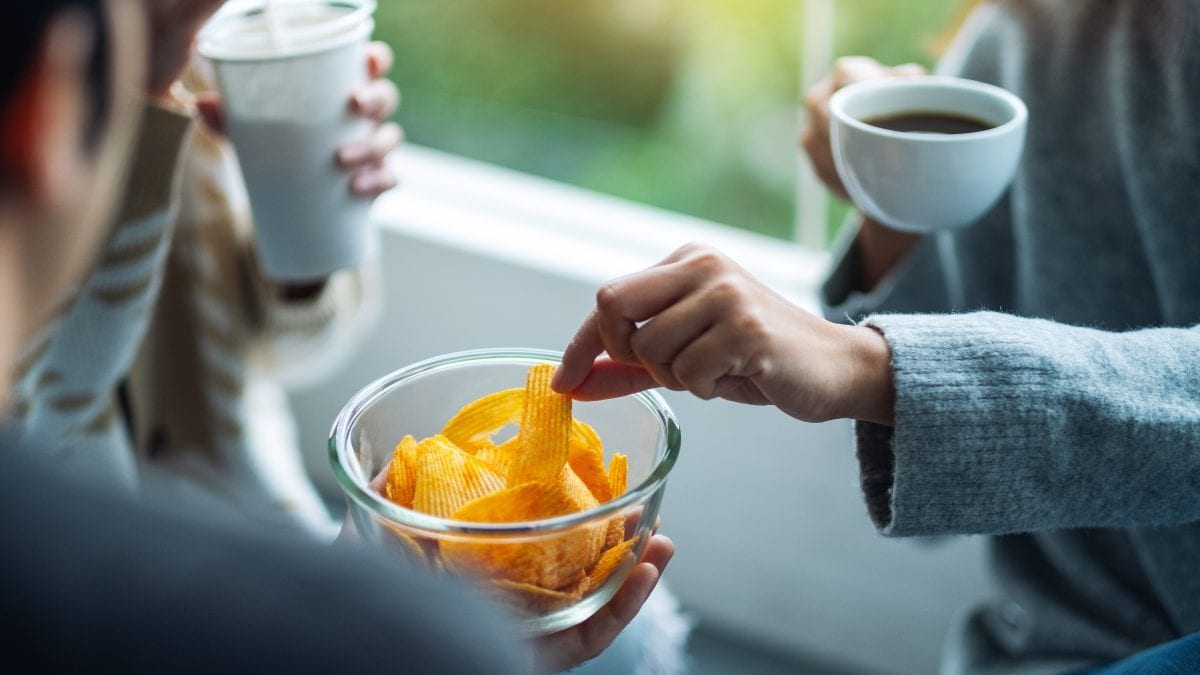
It's been a topic of discussion for a long time, and it's likely going to continue for a long time: ultra-processed foods are back at the center of the debate. Recent research has shown that a diet containing excessively processed foods leads to half the weight loss compared to a diet based solely on fresh, home-cooked foods. Of course, the news itself doesn't seem shocking, but what scientists have shown is that the comparison isn't just about foods traditionally considered unhealthy, like chips or ice cream, but about products deemed "healthy," like diet bars or "light" ready-made meals.
How The Study Was Conducted
Conducted by a team from University College London and published in Nature Medicine, the research highlighted the impact of ultra-processed food consumption on overweight and obese people. The experiment involved 55 people, mostly women between the ages of 20 and 65, who regularly consumed highly processed industrial foods, which constituted approximately two-thirds of their daily calories. To analyze how these foods impact the body, the researchers, led by Samuel Dicken, gave the participants two diets, which they followed in rotation: the first was based on minimally processed foods (such as oat flakes with milk and fruit, natural yogurt with fruit, homemade spaghetti bolognese, and chicken salad), while the second consisted of ultra-processed foods (packaged oat and fruit bars, ready-made lasagna, and pre-packaged "meal deal" wraps – a product consisting of a main course, drink, and snack – with chicken).

Both diets were formulated not only based on the food processing process, but also on macronutrients. The experts, in fact, followed the nutritional guidelines of the UK's Eatwell Guide for healthy eating: this means that both diets were equally balanced in terms of fat, protein, saturated fat, carbohydrates, salt, and fiber. The participants' task was exclusively to eat the food provided by the research team, with the freedom to eat as and when they wanted, just as they would normally. One group began with the ultra-processed food diet, while the second group followed the fresh, less processed food diet. After eight weeks and a four-week break, the diets were reversed for both groups.
The Research Results
At the end of the observation period, the outcome was clear: both diets led to weight loss, with a small but significant variation. In the case of the diet that included fresh ingredients, the participants lost about 2 kilos in two months; in the other case, the weight loss was exactly half, that is, 1 kilo in the same period of time. Therefore, the researchers came to the conclusion that a diet with minimally processed foods led to a loss of body weight of 2.06%, while in the case of ultra-processed foods, the percentage stopped at 1.05%. And it's not just about weight: another significant finding concerns fat mass and body water, both of which were reduced, without, however, a loss of muscle mass.

Furthermore, according to a questionnaire completed by participants, a diet consisting of less processed foods led to better control over food cravings, reducing sudden cravings. Therefore, eliminating ultra-processed foods from your diet can lead to a healthier and more balanced relationship with food. Consequently, the advice is to prefer more home-cooked meals, avoiding ready-made and pre-packaged products, and instead opting for a salad or a nice plate of homemade pasta. The same goes for foods like biscuits or granola bars: preparing them yourself allows you to choose the ingredients and therefore be more aware of what you're eating.
;Resize,width=767;)
