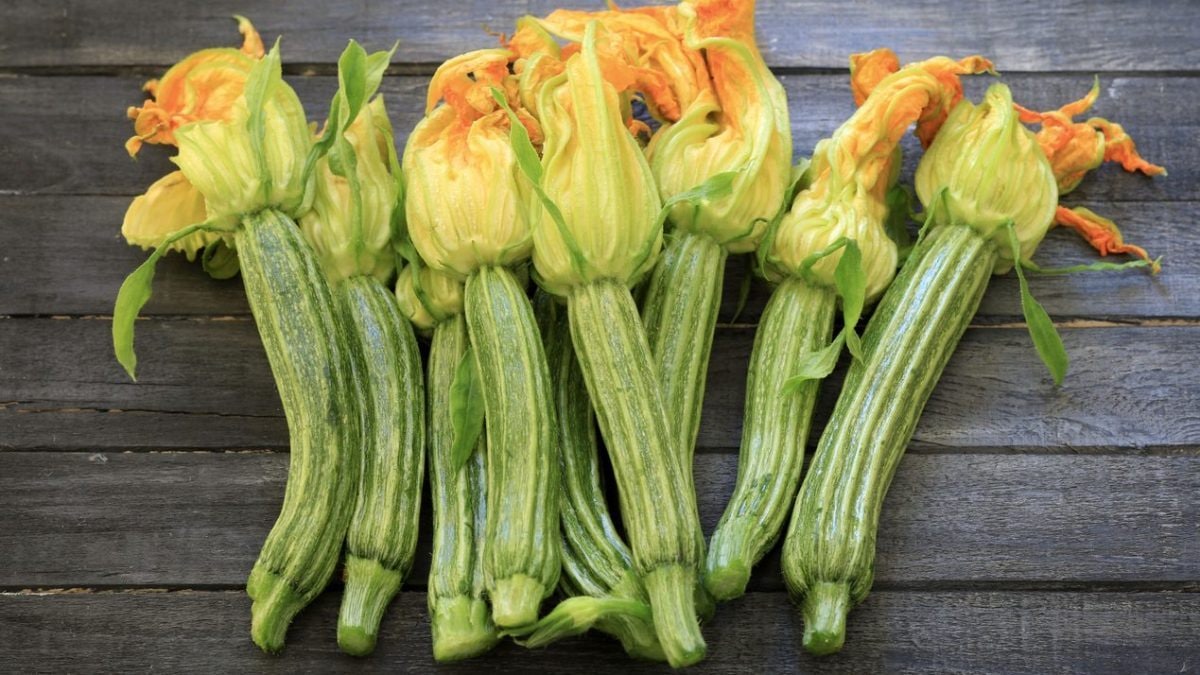
A typical summer vegetable native to Central America, zucchini belongs to the large Cucurbitaceae family, the same as squash, cucumbers, melons, and watermelons. They are literally miniature pumpkins, harvested when still very tender and before they become large and bland. Enjoyed during the warmer months, especially between June and September, they offer endless culinary possibilities: thanks to the diverse shapes and shades of the available varieties and their sweet, delicate flavor, they pair well with a wide variety of ingredients.
Nutritionally, they're a valuable source of vitamins, minerals, and fiber; low in calories and rich in water, they're excellent for those suffering from bloating, water retention, constipation, and for those watching their weight. How can we include them in our daily diet to maximize their benefits? How often and in what quantities? To answer these (and many other) questions, we're tackling the topic with the help of our trusted expert, biologist and nutritionist Simone Gabrielli.
Zucchini's Nutritional Properties
From a nutritional standpoint, zucchini are a true powerhouse of health. As Dr. Simone Gabrielli explains, the main characteristic of this delicious vegetable is its extremely high water content, approaching 95 percent. This percentage explains their low calorie content—just 15 calories per 100 grams—and makes them a highly diuretic and draining food.
Although they are mostly water, zucchini are also an excellent source of vitamins: particularly vitamin C, a powerful antioxidant that protects cells and aids iron absorption, and B vitamins, especially folate or B9, essential for metabolism and cell regeneration. Some varieties—especially those with yellow skin—are rich in vitamin A, present in the form of carotenoids such as lutein and zeaxanthin, which are essential for eye health.
On the mineral front, this vegetable offers an excellent supply of potassium, an essential mineral for regulating blood pressure, muscle contraction and fluid balance (excellent for those who suffer from heavy legs and water retention during the summer), and magnesium, fundamental for the nervous and muscular systems.
It is impossible to forget the fibers, mainly soluble (such as mucilage and pectinates): extremely delicate on the walls of the stomach and intestines, they make zucchini a well-tolerated food even for those who suffer from mild intestinal problems, a bloated stomach or for those who, in general, have difficulty digesting other vegetables.

Zucchini Benefits
Regularly consuming this extraordinary vegetable, strictly during its ripening season, provides numerous benefits to the body. Here are the main ones.
- Highly hydrating and refreshing: in summer, when temperatures rise and you sweat a lot, zucchini help to replenish lost liquids and mineral salts, counteracting heat exhaustion, but also water retention;
- Intestinal health: their particularly rich soluble fiber gently and gently stimulates intestinal regularity, without irritating the colon. They are perfect for those suffering from lazy bowels, abdominal bloating, and irritable bowel syndrome, as they are among the most digestible vegetables available.
- Great satiating effect: thanks to the winning combination of water and fiber, zucchini quickly fills the stomach. Eating them at the beginning of a meal or as a side dish in generous quantities helps manage hunger, without weighing down the meal's calorie count in any way;
- Metabolic control: having a very low glycemic index and very few carbohydrates, they help maintain stable blood sugar levels, avoiding insulin spikes, and actively contribute to the reduction of bad cholesterol.
Zucchini's Contraindications
Zucchini is among the safest, most digestible, and well-tolerated foods, so much so that it's one of the very first vegetables introduced during weaning. There are no particular contraindications, except for those with rare allergies specific to the Cucurbitaceae family.
"The only thing to be careful about," the nutritionist explains, "is eating zucchini that have a strong bitter taste. This unpleasant taste is due to cucurbitacin, a toxic substance that the plant spontaneously produces as a defense against parasites. If a zucchini is very bitter, it's always best to discard it."
How Many Times A Week Can You Eat Zucchini?
Even every day, of course. Since it's a low-calorie food and at the same time so rich in water, there's no hard limit within a low-calorie diet. The standard portion recommended by nutritionists is about 200 grams per meal, a generous amount, but you can easily increase the volume of your meals and feel more satisfied.
"They can easily be included 4 or 5 times a week, simply by varying the protein sources and carbohydrates with which they are combined", finally recommends Gabrielli.
What's The Best Way to Eat Zucchini?
Both raw and cooked are delicious and have excellent reasons to be served, but they have significant nutritional differences. Eating zucchini raw —sliced very thinly, into julienne strips, cubed, or sliced into ribbons in a salad—preserves 100 percent of the vitamin C and folate, which would otherwise be destroyed by heat. This way, they'll also be nice and crunchy, maintaining their maximum hydrating power.
Cooked zucchini is the best choice for those suffering from indigestion, gastritis, or irritable bowel syndrome: cooking has the advantage of breaking down the rigid fibers of the peel and pulp, making the vegetable even more digestible and therefore ideal for more sensitive stomachs. Furthermore, heat makes certain carotenoids more bioavailable and absorbable.
To cook them healthily and avoid losing their precious micronutrients, it's best to steam them. "It's the absolute best cooking technique, if you decide to cook them: it's quick and there's no immersion in water, which means the mineral salts and water-soluble vitamins don't leach into the cooking liquid," advises the expert.
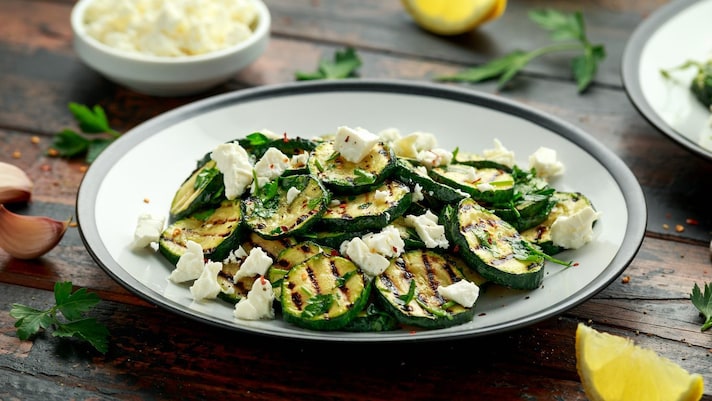
Among the recommended methods, we also find pan-frying: once cleaned and cut into cubes or rounds, simply sauté them quickly over high heat with a drizzle of extra virgin olive oil. Cooking them for a few minutes will leave them pleasantly crunchy on the palate and will retain their bright green color. Alternatively, you can bake them: you can cut them into sticks or rounds, season them with a pinch of salt, sprinkle them with aromatic herbs and spices to taste, and finally bake them until they are golden brown and crispy. An excellent, decidedly light alternative to make them delicious.
It's best to avoid frying, as in the classic preparation of battered zucchini or zucchini fritters. "This is because the zucchini pulp acts like a sponge and absorbs a lot of oil, quadrupling the calories of the dish and ruining the lightness effect," explains Gabrielli.
An eclectic and one of the most versatile vegetables of all, it offers endless culinary possibilities. Each recipe, however, calls for the right variety: the smallest and thinnest, exceptionally sweet, tender, and almost seedless, are ideal for eating raw in salads, sliced into ribbons with a peeler, or for quickly sautéing in a pan, leaving them crisp and a beautiful bright color.
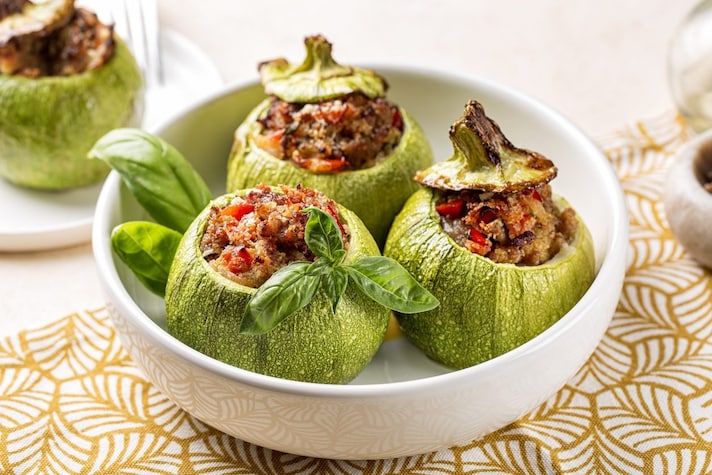
Medium-sized zucchini have the perfect balance of flesh and texture. They're the star of main dishes (like risotto or summer pasta dishes) and frittatas, and are perfect for slicing into sticks and baking until lightly golden. The larger or rounder varieties have spongier flesh; they're perfect for hollowing out the insides to make classic stuffed zucchini (with meat, tuna, rice, or cheese) or for grilling in large slices, as they don't fall apart easily on the griddle.
Seasonality and How to Choose Fresh Ones
The true ripening season for zucchini runs from May to September. Although they are now available in supermarkets year-round thanks to greenhouse cultivation, summer zucchini grown under the sun have a decidedly better flavor —sweeter and less watery—and a higher concentration of nutrients.
When purchasing, to ensure they are very fresh, it is important to observe these three fundamental details:
- Texture: The zucchini should be firm, turgid, and stiff to the touch. If they feel soft or pliable when you try to bend them, they're old and losing water.
- the peel: it must be taut, shiny, of a bright colour (be it dark, light green or yellow) and free from dents, dark spots or wrinkles;
- the origin: if they come from distant countries, it means that they were picked while still unripe or that during the journey they were preserved at cold temperatures, altering their final consistency and flavor.
;Resize,width=767;)
