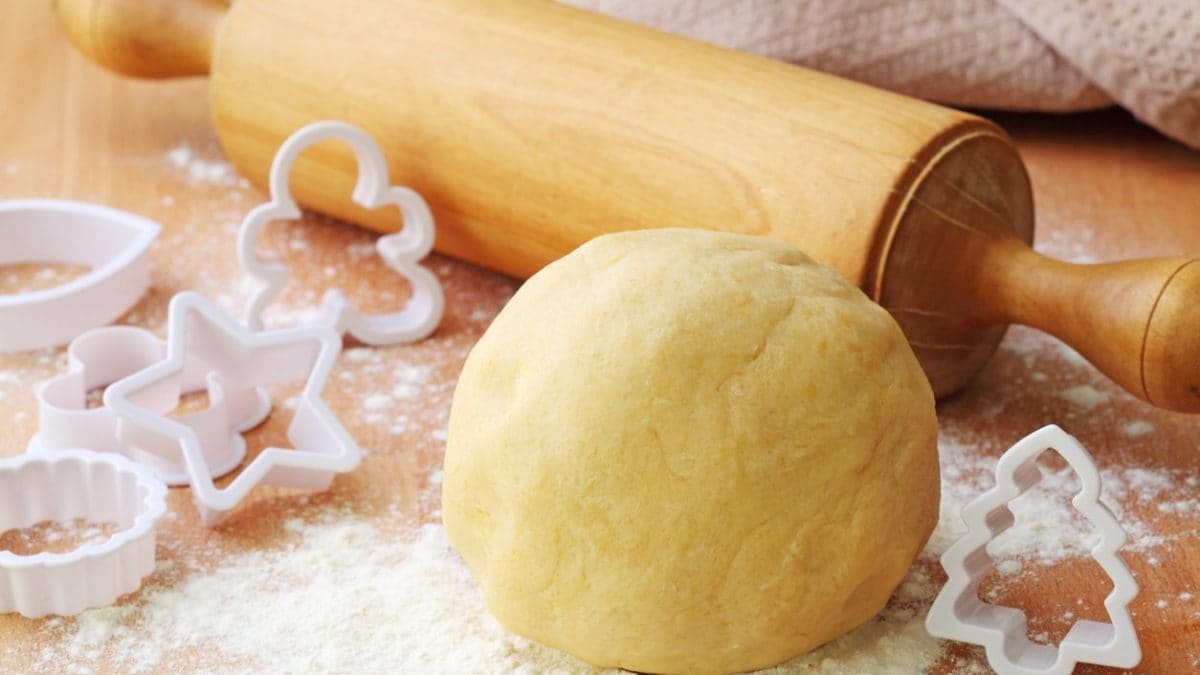
It's one of the most common pastry bases, used by both professionals and amateurs: shortcrust pastry is primarily used for making biscuits and tarts. Its basic preparation is fairly simple and familiar to everyone, but did you know there are also numerous variations? Shortcrust pastry, whipped pastry, Breton pastry, vegan pastry, and chocolate pastry: these are just some of the ways this recipe can be adapted. Each has specific characteristics and very specific uses: by varying the quantities of butter and sugar, the use of egg yolks or whole eggs, and even the processing method, you can create perfect shortcrust pastry depending on the result you want. Let's explore them together.
1. Milanese Shortcrust Pastry
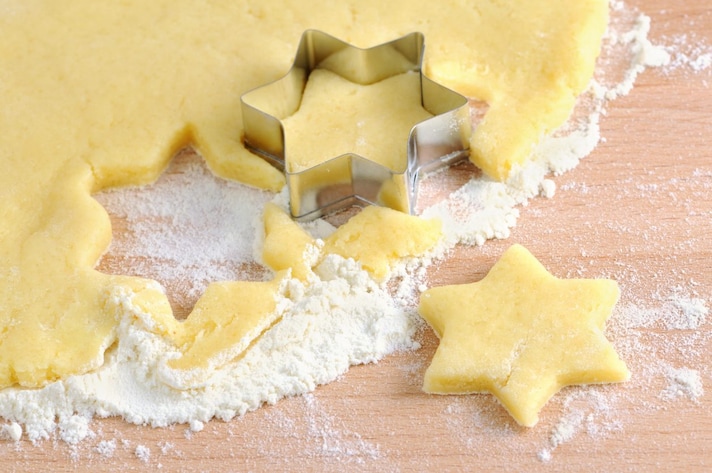
We begin this list with one of the most versatile pastry bases, considered among the most balanced of our traditional shortcrust pastry. The strength of the Milan shortcrust pastry lies in its easy-to-remember proportions: for every 500 grams of flour, you need exactly half the amount of butter (250 grams) and sugar (250 grams). This balance ensures that the pastry is neither too buttery and difficult to handle, nor too hard or crunchy. The trick to getting it right is to work it sparingly: first mix the butter and sugar with the eggs, a pinch of salt, and flavorings like lemon zest or vanilla, and only add the flour at the end. It is especially used in traditional tarts or in desserts designed to hold cream, fresh fruit, or ganache: thanks to its structure, it can support the ingredients without breaking, maintaining its crispiness.
2. Neapolitan Shortcrust Pastry
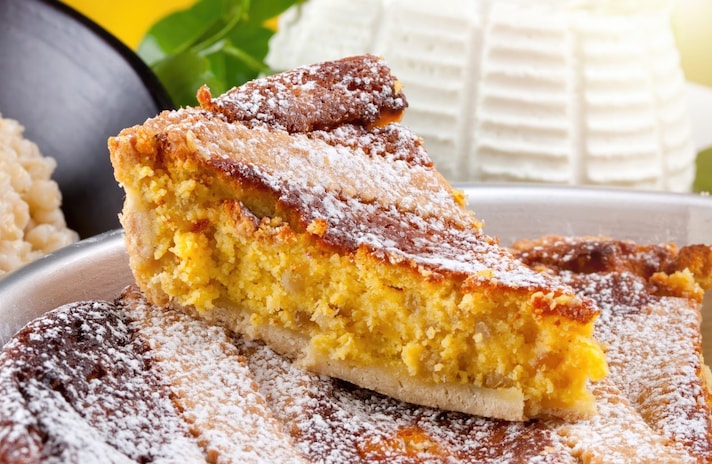
From North to South, we're talking about one of the most rustic variations of Southern Italian tradition, created to be the ideal base for moist and rich fillings, like that of the famous pastiera. Unlike classic shortcrust pastry, in some versions the butter is replaced or combined with lard, a typical Neapolitan ingredient that helps achieve an even more crumbly and melt-in-your-mouth texture. Its preparation requires approximately 500 grams of 00 flour, along with 300 grams of butter or lard, 190 grams of sugar, an egg, a pinch of salt, and various flavorings (vanilla, lemon, and orange). In some cases, this recipe calls for the addition of almond flour, an ingredient that gives it a more aromatic flavor.
3. Sablée Pastry
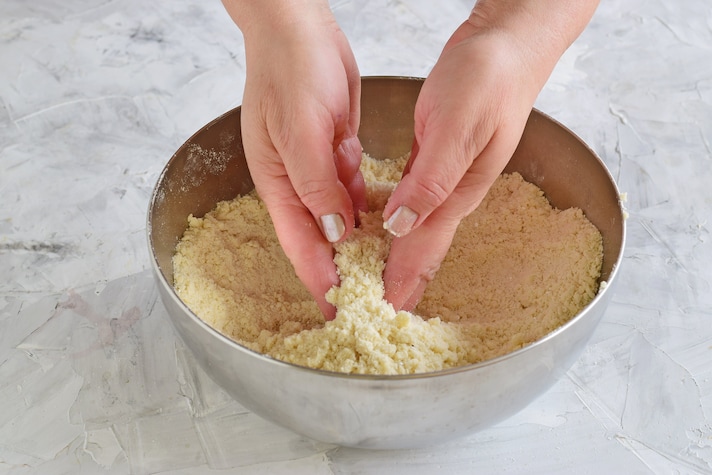
It is one of the most refined variations of classic shortcrust pastry and has its origins in French patisserie, where the term sablé literally means "sandy," a reference to the crumbly, grainy consistency resulting from the type of processing. In fact, shortcrust pastry sablée is obtained thanks to a technique called sanding, in which the butter —which must be cold —is immediately incorporated into the flour to coat the starch particles and limit the formation of gluten. The result is a much more fragile shortcrust pastry than traditional Italian pastry, characterized by a texture that tends to melt in the mouth and a particularly fine and compact surface. To make it, you will need 500 grams of flour combined with 300 grams of butter, plus 200 grams of powdered sugar, 100 grams of egg yolks (about 4-5), salt, and flavorings.
4. Whipped Shortcrust Pastry
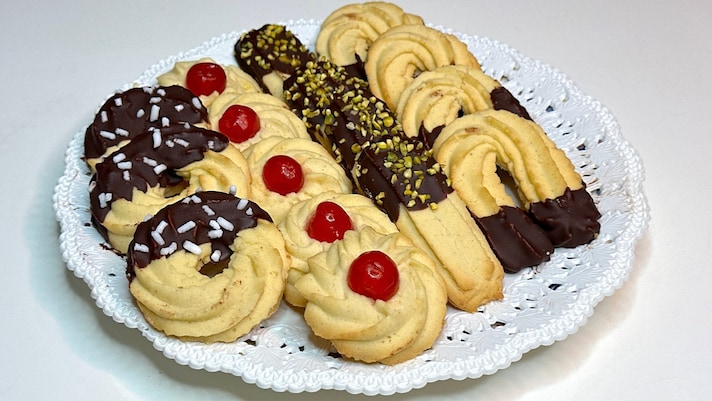
Its name already gives us a clue to the unique preparation method: it begins by creaming the butter and sugar before adding all the other ingredients, and only at the end, the flour. This technique incorporates air into the dough and gives the final product a softer, more delicate, and melt-in-your-mouth texture. Whipped shortcrust pastry is particularly suitable for tea biscuits, dry pastries, and butter biscuits, as its soft texture allows it to be easily shaped with a piping bag without breaking. The recipe generally calls for 170 grams of softened butter combined with 75 grams of powdered sugar, 240 grams of flour, 10 grams of potato starch, one egg, salt, and vanilla.
5. Ovis Mollis
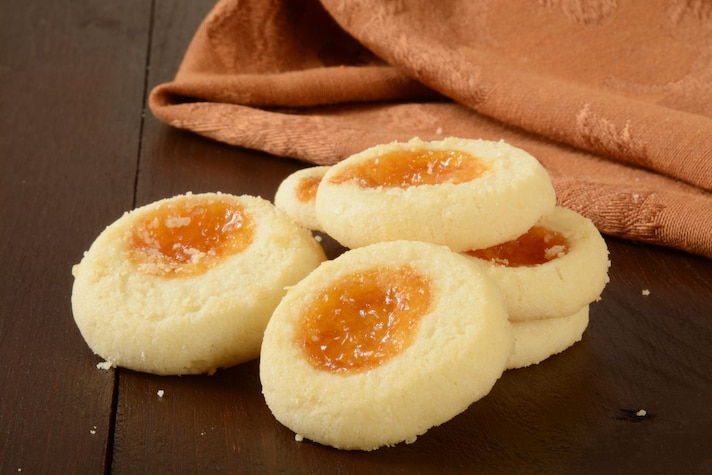
Particularly prized for its crumbly, melting texture, this shortcrust pastry is made using hard-boiled egg yolks instead of raw eggs: the yolks are boiled, finely sifted, and incorporated into the dough, giving it a dry, velvety, and almost powdery texture. To make about 20 biscuits, you'll need 120 grams of 00 flour, 40 grams of potato starch, 60 grams of powdered sugar, 100 grams of butter, three hard-boiled egg yolks, a pinch of salt, and lemon zest.
6. Breton Shortcrust Pastry
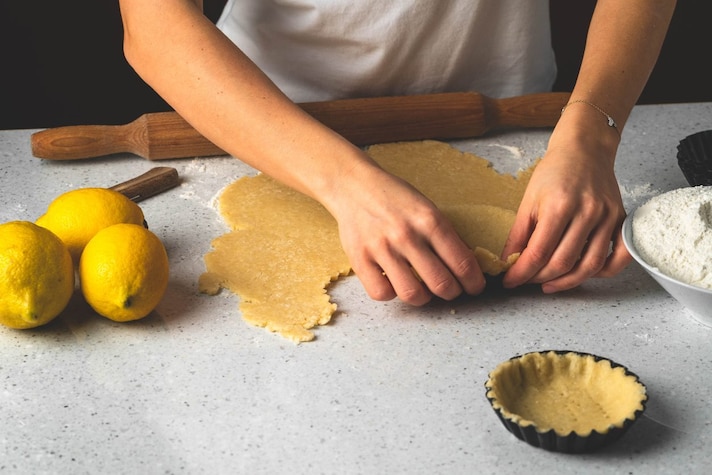
Breton shortcrust pastry is characterized by a particularly delicate texture, combining crispness and softness in a single dough. After baking, it is not very rigid and tends to melt easily when bitten into, and salted butter is often used for a very distinctive flavor. The process is similar to that of whipped shortcrust pastry: 180 grams of butter and 100 grams of powdered sugar are mixed together until the mixture is soft and fluffy. Add 250 grams of flour, 8 grams of baking powder, 3 egg yolks, a pinch of salt, and flavorings. Once prepared, it should be left to rest in the refrigerator for at least an hour to allow the structure to stabilize and make rolling out easier.
7. Butter-Free Shortcrust Pastry
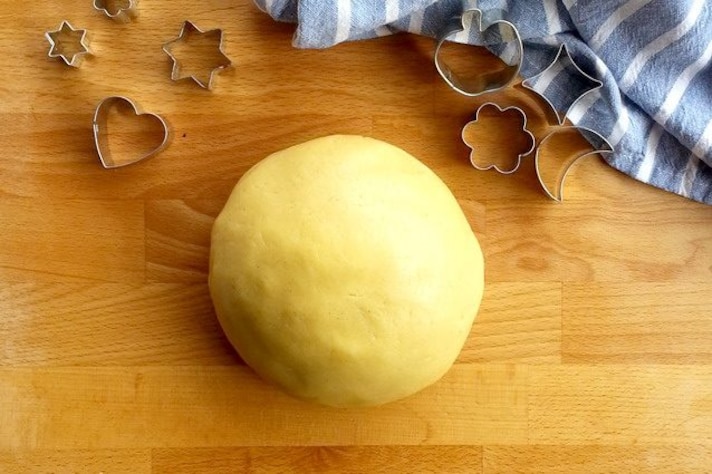
This is a lighter version of traditional shortcrust pastry, made by replacing the butter with vegetable oils, usually seed oil, but also yogurt. This preparation was born from the need to obtain a more digestible and quick-to-work dough: in fact, the absence of butter means that it requires no (or at least limited) resting time, but can be worked immediately and therefore prepared even at the last minute. It has a slightly less compact consistency and a more neutral flavor, ideal for biscuits but also for tarts filled with jams, creams, or fruit. For the ingredients, you will need 280 grams of 00 flour, 100 grams of sugar, 75 ml of seed oil, a teaspoon of baking powder, a whole egg, an egg yolk, and a pinch of salt.
8. Vegan Shortcrust Pastry
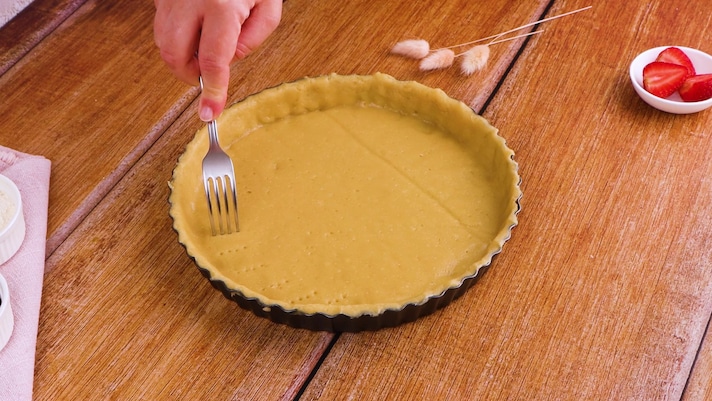
It's a reinterpretation of traditional shortcrust pastry made without animal ingredients —free from butter, eggs, and milk—but still retains a crispy texture and an ideal structure for tarts and biscuits. Vegetable oils or high-quality margarines are generally used in place of butter, while eggs are replaced with ingredients that help bind the dough, such as plant-based drinks, starches, or other plant-based substitutes. In this case, the ingredients for a 24-centimeter pan are: 220 grams of 00 flour, 80 grams of potato starch, 90 grams of sugar, 25 ml of oil, 85 ml of water, a pinch of salt, and flavorings. Processing must be fairly quick to prevent the dough from becoming too elastic, and requires less resting time than traditional methods. Baking also requires some care: it's best to use an electric, fan-assisted oven, which dries the dough more quickly, making it crispy and crumbly.
9. Ricotta Shortcrust Pastry
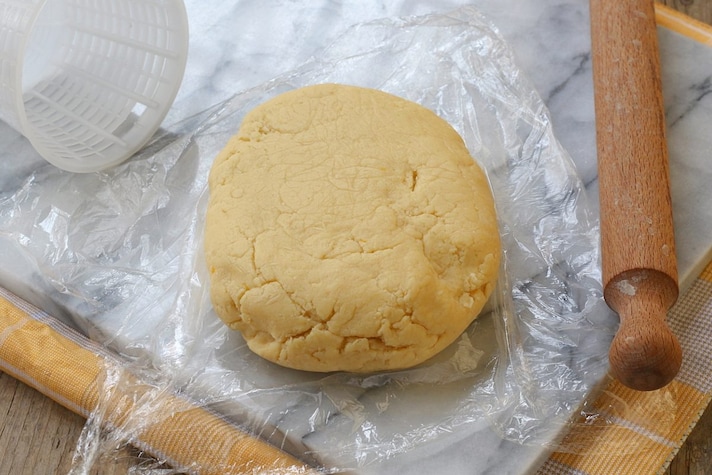
A particularly soft and delicate variation, ricotta is used to replace butter entirely or partially, giving it a softer, moister texture, not crumbly but suitable for any filling. To make it, drain the ricotta so it loses liquid and doesn't over-wet the dough: you'll need 150 grams of ricotta, add an egg, 150 grams of sugar, then 300 grams of 00 flour, a tablespoon of baking powder, and lemon zest.
10. Wholemeal Shortcrust Pastry
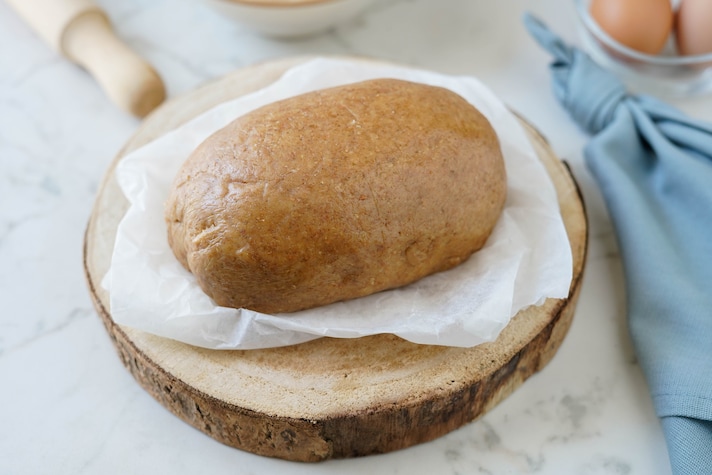
It's a more rustic and nutritionally rich type of pastry because white flour is replaced with whole wheat flour, which retains the bran and wheat germ. In whole wheat shortcrust pastry, the presence of fiber makes the dough less elastic and "coarser" to the bite, with a more intense and slightly toasted flavor. The recipe calls for 350 grams of whole wheat flour, 110 grams of cane sugar, 100 ml of seed oil, one egg, two egg yolks, half a teaspoon of baking powder, and salt.
11. Chocolate Shortcrust Pastry
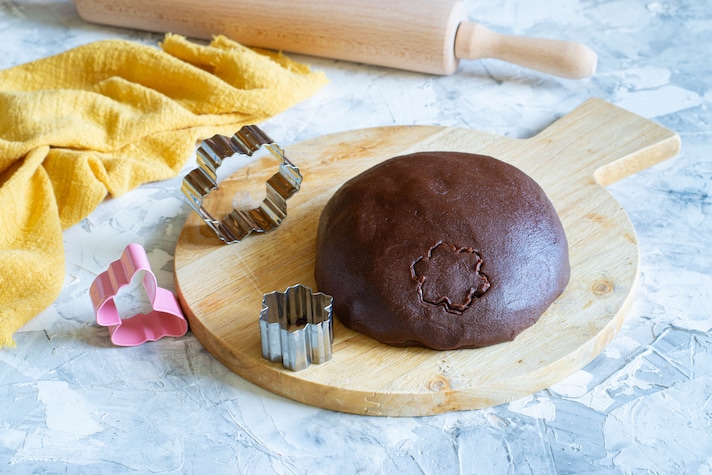
Chocolate shortcrust pastry is a delicious variation in which part of the flour is replaced with bitter cocoa powder: this addition gives the dough a darker color, a richer, slightly bitter flavor that pairs perfectly with vanilla, white chocolate, hazelnut, or fruit creams. For 240 grams of 00 flour, you'll need to add 40 grams of cocoa powder, 130 grams of butter, 120 grams of sugar, one egg and one egg yolk, salt, and vanilla extract.
12. Gluten-Free Shortcrust Pastry
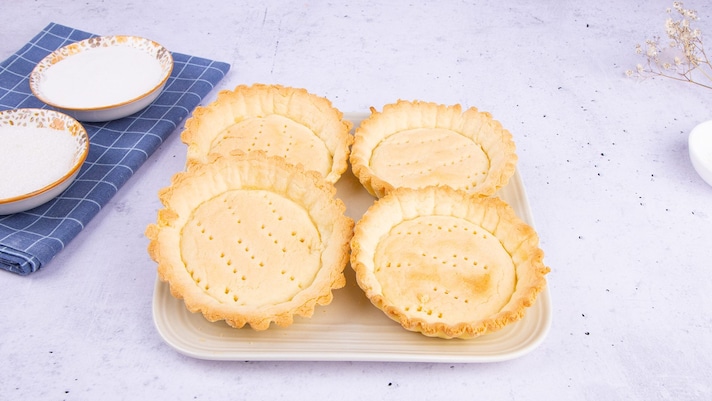
Designed for celiacs or those simply avoiding gluten, this shortcrust pastry is made by replacing wheat flour with a mix of flours such as rice, corn, potato starch, or cornstarch, often combined. Compared to traditional shortcrust pastry, it tends to be less elastic and more fragile, because the absence of gluten reduces the structure that normally binds the dough. "In some versions, it is also prepared without dairy products, making it perfect for those who are lactose intolerant: 110 grams of rice flour, 110 grams of potato starch, 60 grams of cornstarch, 110 grams of sugar, 70 grams of seed oil, one egg, 10 grams of baking powder.
13. Savory Shortcrust Pastry
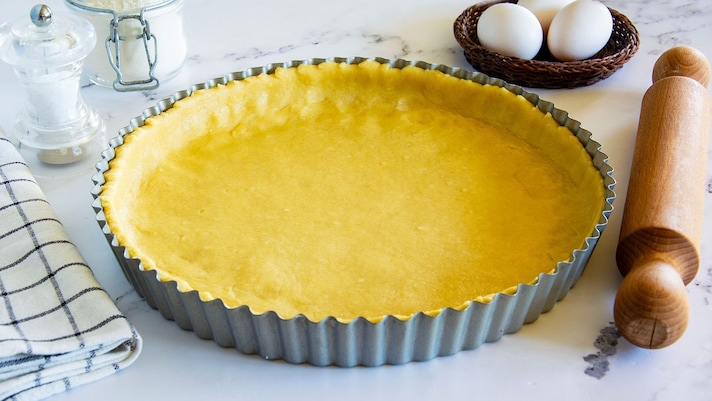
We finish this list with a sugar-free shortcrust pastry used for savory preparations, such as cream tarts, quiches, and pies. The flavor is generally neutral and slightly buttery, designed to enhance fillings like vegetables, cheeses, cured meats, and savory mousses. It's very easy to make: simply combine 500 grams of flour with 200 ml of sunflower oil, 100 ml of water, two medium eggs, 8 grams of instant yeast for savory pies, and 5 grams of salt.
;Resize,width=767;)
