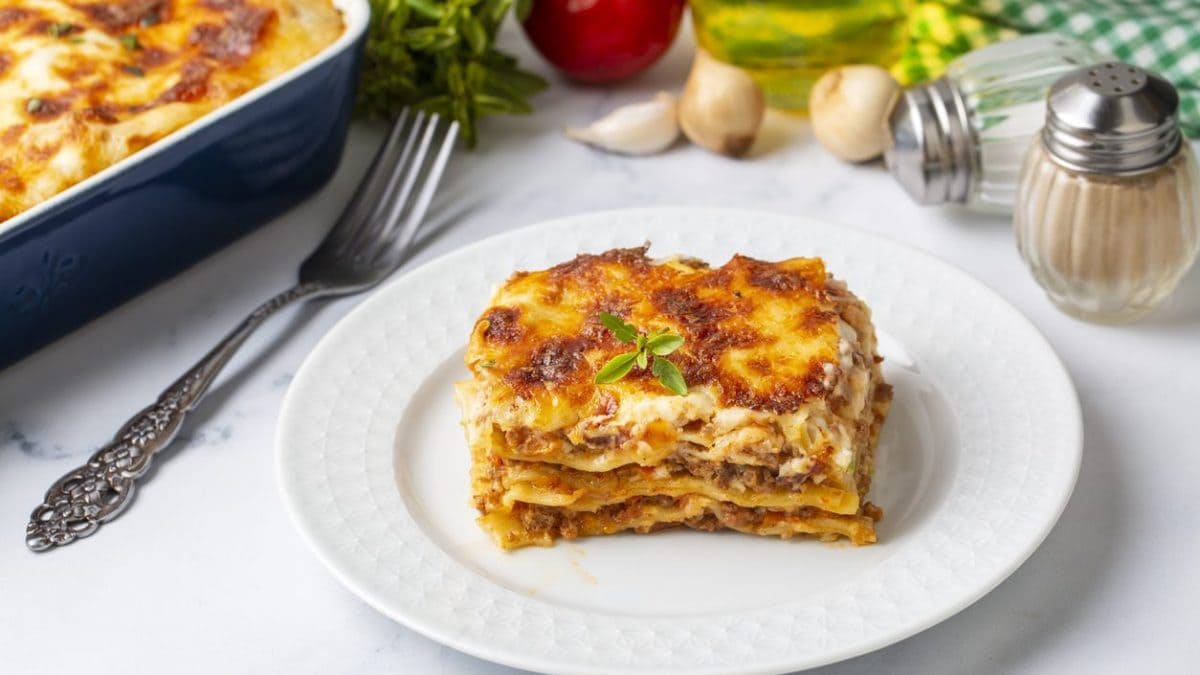
They are a great classic of Italian cuisine, the star of convivial Sunday lunches and festive occasions: a specialty traditionally linked to the city of Bologna, with an original recipe registered with the Chamber of Commerce, but which over time has seen the birth of multiple interpretations, such as those with vegetables or fish. We are talking about lasagna, one of the symbolic dishes of Italian gastronomy of which – almost – every family has their own version: beyond the more creative variations, such as those cooked in the pan, what makes them irresistible is the layering and abundance of toppings, with oven cooking resulting in an inviting gratin. Lasagna is by its very nature laborious and demanding, a true work of art that often leads to mistakes: let's see what the most common mistakes are and how to avoid them again.
1. Using Ready-Made Ingredients
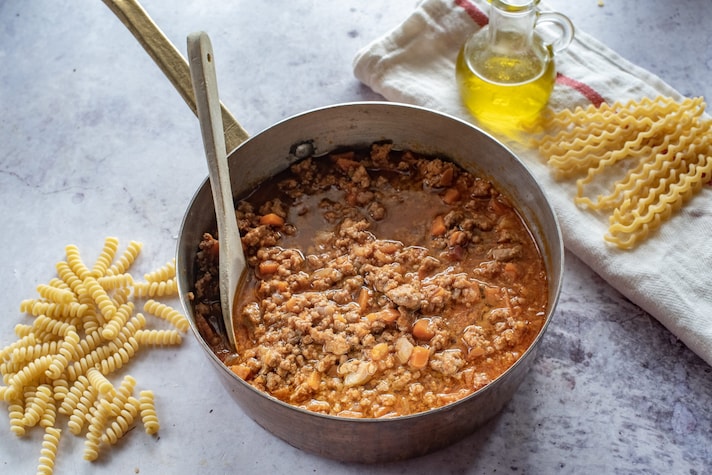
Let's start right away with one of the most common mistakes: relying on pre-packaged ingredients to optimize time. In reality, making a homemade ragù or béchamel sauce yields a better result and much more satisfaction. For example, the former can even be prepared the day before, while the latter is a recipe anyone can make; you just need to follow a few simple steps. And the pasta dough? Fresh homemade egg pasta is obviously an added bonus—so much so that it can be customized, from green with spinach to saffron—but it's probably the most complex part: alternatively, you can use pre-made fresh pasta dough, while leaving dried pasta dough as a last resort (usually without blanching it), because, being dehydrated and more porous, they tend to always be a little tougher and drier and require a more liquid sauce.
2. Making Mistakes With The Seasoning
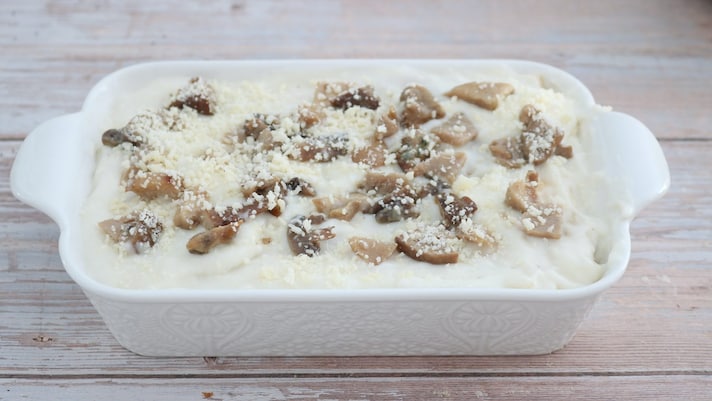
The biggest sin? Ending up with a dry, underfilled lasagna. You need to be generous, filling each layer with your chosen ingredients, ensuring the entire surface of the pasta sheet is covered, including the edges. So don't be stingy, but don't overdo it, because the lasagna needs a creamy yet stable texture that won't fall apart completely when cut. So be careful not to use liquid-like toppings.
3. Making Too Few Layers
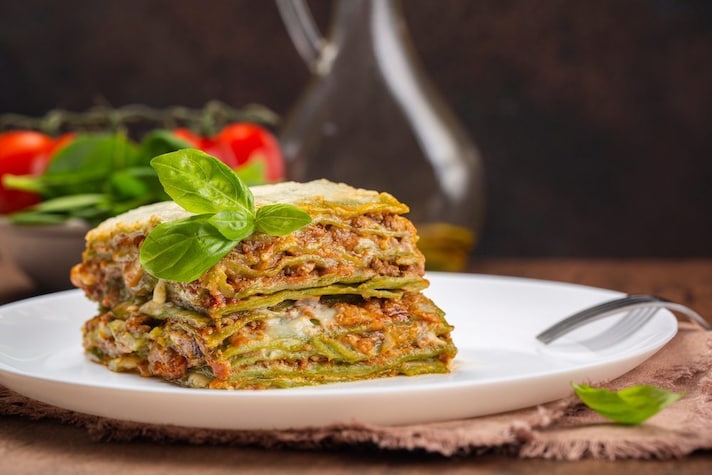
How many layers should the perfect lasagna have? There's no general rule, but the strength of this specialty undoubtedly lies in its layering: the sheets are placed side by side, or slightly overlapping, without leaving any space between them, and then alternated with the sauce. A rich dish should have no fewer than three layers: a number that is linked to both Bolognese and Marche traditions (with vincisgrassi) is 7, but to be on the safe side, we suggest opting for a compromise of 5 layers, creating a good balance with whatever sauce you choose. Remember that the pan should not be filled to the brim, but leave half a centimeter free, to avoid it overflowing during cooking.
4. Underestimating the Top Layer
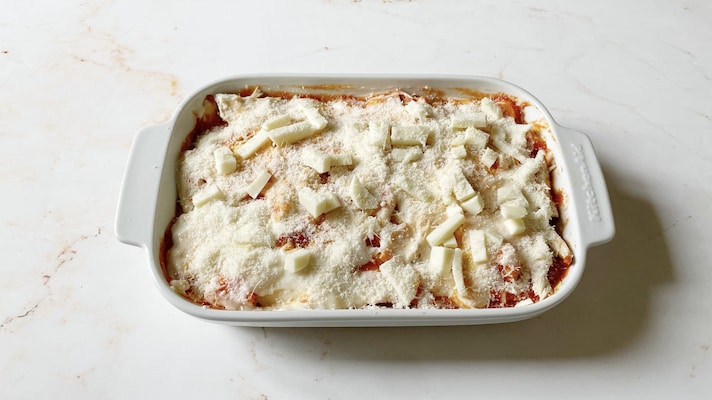
When assembling the lasagna, don't use all the sauce for the inner layers, leaving the last one practically bare. The top layer of pasta should be enriched with ragù, béchamel, and a sprinkling of grated cheese, as it also needs to stay moist and not dry out. At most, you can distribute it more roughly along the edges, to make the edges pleasantly charred and crispy. Grill the last few minutes of cooking for an inviting gratin.
5. Using Parchment Paper
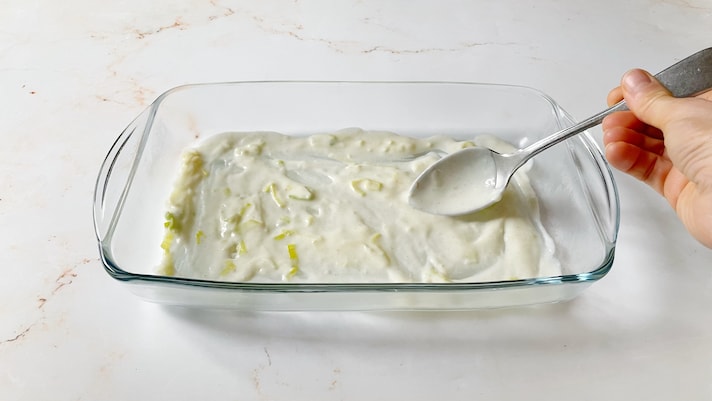
This is related to the previous one: don't underestimate the beginning of the composition, because even the base must remain soft and not stick to the baking dish. In this case, baking paper is a no-no because it would retain too much moisture and become excessively wet, with the risk of becoming one with the layer of pasta. Depending on the ingredients you've chosen for the filling, spread a little ragù with béchamel sauce, béchamel alone, or a drizzle of extra virgin olive oil on the bottom of the pan.
6. Not Letting It Rest
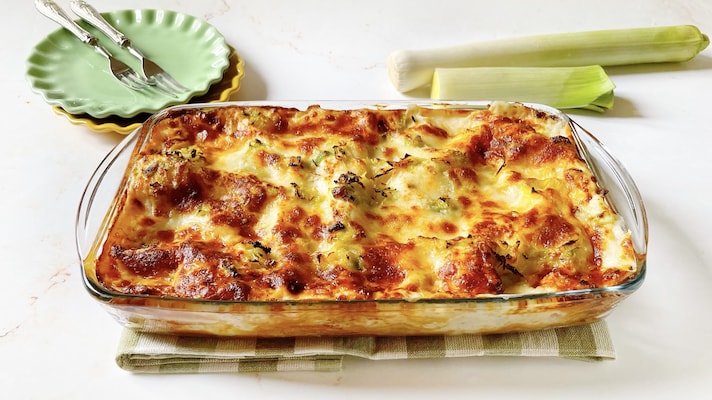
The entire lasagna preparation process is geared towards slow cooking, including the post-cooking process, which should be done in a conventional oven, preferably in the center of the oven, at 355°F/180°C for no less than 40-45 minutes in the most classic and substantial version. After cooking, the lasagna needs to settle: about ten minutes out of the oven will be enough for it to stabilize and cool slightly, so that it is firm when cut, stringy, and not burning when put in the mouth.
7. Not Making Enough Lasagna
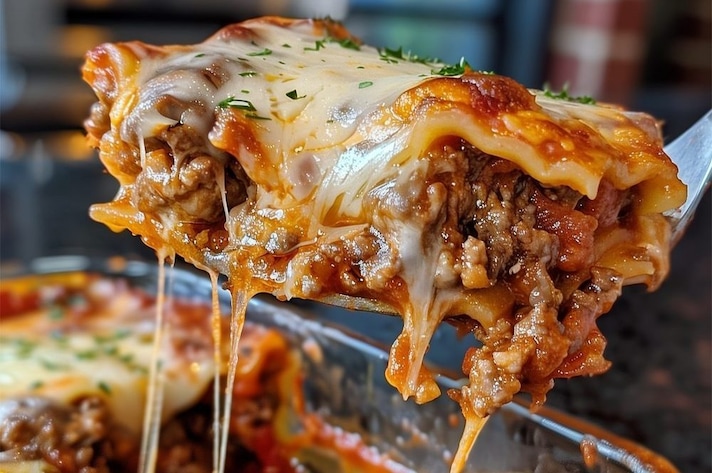
Lasagna can be stored both uncooked and cooked. Remember that, like tiramisu or eggplant parmigiana, it falls into the category of foods that taste best the next day, as the aforementioned resting time allows the dishes to gain in flavor. At this point, there's nothing stopping you from making it the day before, as it will keep well in the refrigerator overnight, or from making a little extra, as any leftovers can be frozen, lasting up to three months in the freezer.
8. Not Considering The Variants
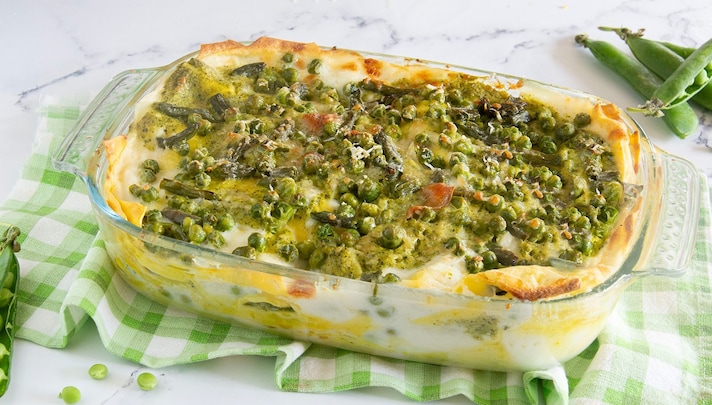
At this point, all that's left to do is let your imagination run wild, because there are truly alternatives to lasagna Bolognese to suit all tastes. White lasagna doesn't use tomato puree, but uses meat sauce instead. Others, however, emphasize vegetables, such as vegetarian lasagna, those with pesto, eggplant, or mushrooms, depending on the season. In still others, the main ingredient is fish, with salmon or seafood options to show off on festive occasions, including Christmas and New Year's Eve. For more delicate variations with vegetables and fish, you can reduce the cooking time to 20-30 minutes in the oven.
;Resize,width=767;)
