
Fresh, crunchy, and filling, lettuce is the star of classic summer salads, one of the season's most popular dishes. A herbaceous plant belonging to the Asteraceae family, it is widespread throughout the U.S. and harvested year-round, although the tastiest varieties arrive on market stalls in spring and summer.
Of Eastern origin, lettuce boasts ancient cultivation and has been known since Greco-Roman times. The U.S. is one of the world's major lettuce growers, and its spread has meant it is often referred to simply as "salad." Nothing could be more wrong: this is because there are so many varieties, each with unique characteristics.
With a very low calorie content, lettuce is a true ally for the well-being of body and mind; it is composed primarily of water (more than 94 percent), vegetable fibers, mineral salts, especially potassium, calcium and phosphorus, vitamin A and carotenoids, such as beta-carotene.
With exceptional diuretic and purifying properties, it is recommended for those suffering from constipation, abdominal bloating, and gastritis: this is thanks to inulin, a prebiotic fiber that reduces intestinal gas production and aids digestion. The high content of quercetin, a flavonoid with strong antioxidant properties, lowers blood pressure and regulates cholesterol levels.
In case of anxiety, insomnia or for those who are subject to frequent night-time awakenings, it is recommended to consume it in the evening, perhaps in the form of a cream or soup combined with a whole grain cereal, a few slices of bread or potatoes: the lactucin, that whitish substance that comes out from the base of the head when cut, in fact has a mild sedative effect.
Lettuce is primarily eaten raw and in salads, alone or mixed with other vegetables, dressed with vinaigrette or citronette to bring out its aroma and texture. It can also be enriched with boiled grains, diced cheeses, hard-boiled eggs, smoked or fresh salmon, grilled chicken, and much more, creating light and satisfying one-pot meals, ideal for taking to the office, the beach, or the park, or for a quick summer meal.
The cabbage and cutting varieties, with round heads and small, curly leaves, are the ones most used for this type of preparation, while the Roman ones, with elongated heads and smooth leaves, are also used cooked: boiled, braised, sautéed, reduced to a cream or in soups and minestrone, to be enjoyed hot or warm depending on the outside temperature, completed with toasted bread, pumpkin seeds and a dollop of spreadable cream cheese.
We can distinguish the different varieties of lettuce into four main categories:
- longifolia, which is characterised by an elongated head with leaves with fleshy ribs and slightly curved edges, like the Romaine;
- iceberg and butterhead types, with a rounded head and light-colored leaves with a crunchy consistency, like iceberg lettuce and cabbage;
- leaf lettuce, it is a cutting lettuce with curly, wavy leaves, and usually dark in color, like lollo and trocadero;
- celtuce/steam lettuce, with light green leaves and an edible stem, like Catalogna and asparagus lettuce.
Each type can be further subdivided according to color —red or green—and leaf shape —curly or smooth. Let's look at the main lettuce varieties and how to best use them in the kitchen.
1. Romaine
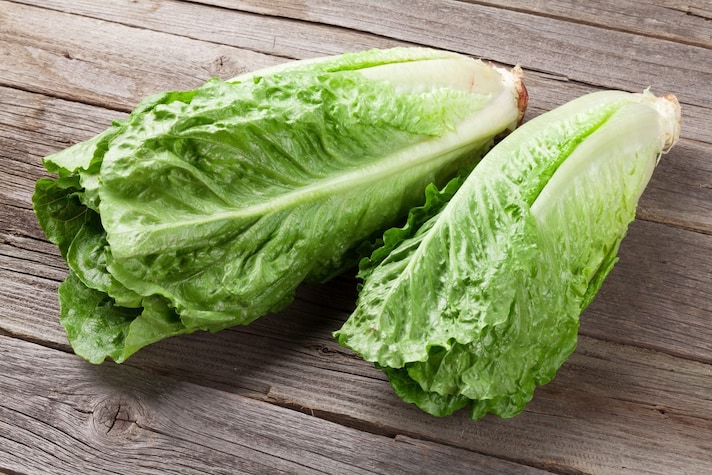
Romaine lettuce is undoubtedly the most widespread and well-known variety. It is characterized by a long, narrow head and slightly wavy leaves. Light green at the base and darker towards the edges, they have a meaty, crunchy texture.
In the kitchen, it can be used raw as a base for any self-respecting fresh dish, but it's also excellent cooked, sautéed, or boiled to create creamy soups and creamy dishes. Fresh and sweet, try it in the famous Caesar salad, paired with chicken breast, parmesan shavings, and croutons, or, if you prefer to cook it, as a creamy soup with creamy cheese and toasted bread.
2. Red Leaf
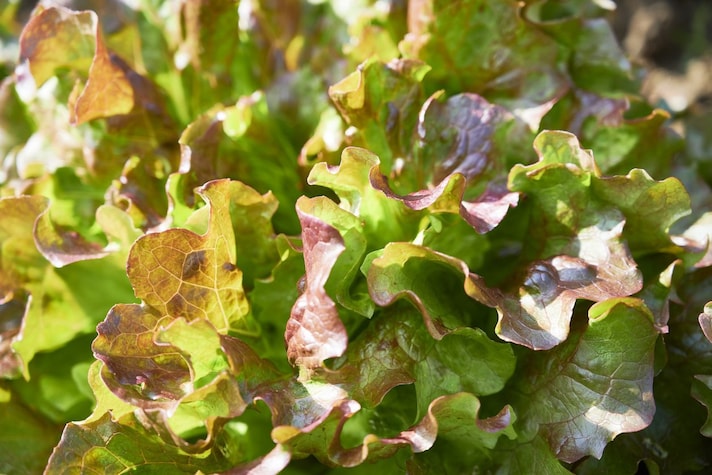
Like romaine, red leaf lettuce is one of the most common and widely consumed lettuce varieties in the United States. It is characterized by its loose, open head and its tender, ruffled leaves, which range from bright green at the base to deep reddish-purple at the edges.
Among the most popular varieties are New Red Fire and Red Sails, both appreciated for their delicate texture and mild, slightly sweet flavor with a subtle earthy note. Crisp yet tender, red leaf lettuce is especially popular eaten raw in salads, where it pairs well with ingredients like goat cheese, walnuts, apples, or grilled chicken, but it can also be lightly wilted or used in sandwiches and wraps for added freshness and color.
3. Head
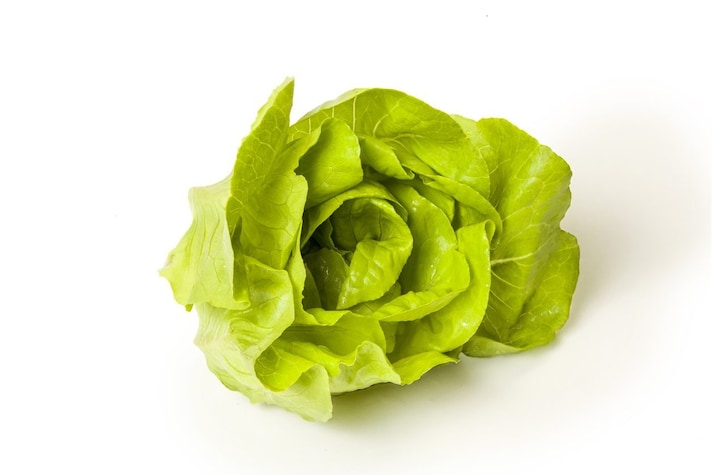
This variety has a compact head, typically round and voluminous; the leaves are firm, concave, blistered or wrinkled, with a color ranging from light to dark green (in some cases even red).
Its sub-varieties are numerous: among those harvested in spring and summer, we find the Queen of May, with large green leaves marked with pink hues; available year-round is the Wonder of the Four Seasons, characterized by very tender, wine-red leaves; also harvested in autumn are the Trocadero, with its head marked with pink hues, and the Naples Cabbage, with its large and compact head.
It is preferably eaten raw, alone or with other vegetables, drizzled with a dressing of lemon juice, extra virgin olive oil, salt and pepper which will enhance its fragrance and sweetness.
4. Iceberg
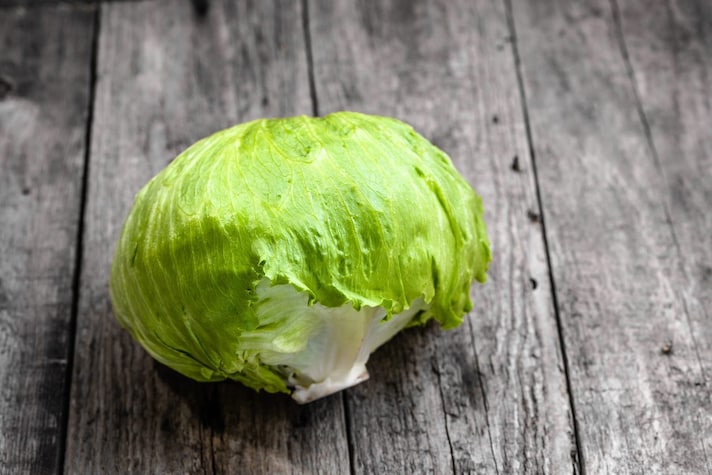
This type, along with romaine lettuce, is the easiest to recognize on market stalls: it is a bright green sphere, large, compact, and rather heavy; the broad, concave, and wrinkled leaves are very rich in water and exceptionally crunchy.
But why this name? Because of the way these lettuce heads were once packaged and transported: placed in trucks on a bed of ice, they resembled actual icebergs. There are at least three subvarieties: Great Lake, Ice Queen, and Resisto, a name derived from its ability to withstand high temperatures.
In cooking, it's best used raw to appreciate its freshness and delicacy, paired with grilled white meats, savory feta cheese, olives, and other vegetables like cherry tomatoes and carrots, with their distinct sweetness. Use the fragrant leaves to garnish a delicious meat burger, a rich club sandwich, whether chicken or salmon, or to accompany a nice grilled steak.
5. Green Leaf
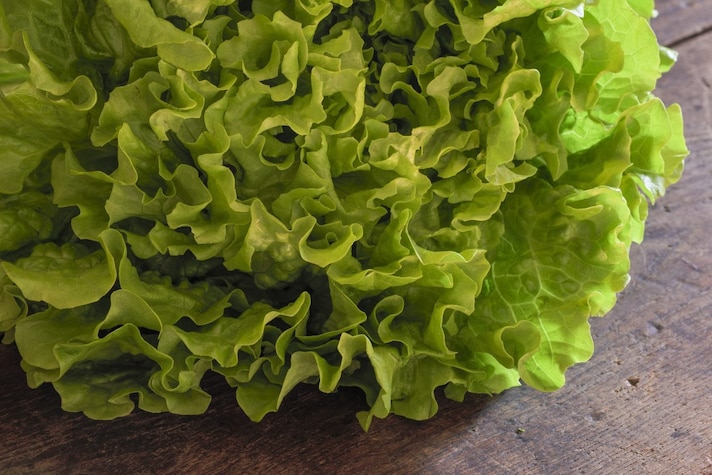
With its mild, fresh flavor and pleasantly crisp texture, green leaf is one of the most popular salad greens in the United States. It stands out for its loose, open head and its tender light-green leaves, delicately ruffled at the edges. The leaves are soft yet refreshing, with a subtle sweetness and very little bitterness, making this variety especially versatile and easy to enjoy.
Available throughout most of the year, green leaf lettuce is usually eaten raw to preserve its crunch and delicate flavor. It pairs particularly well with ingredients like cucumbers, avocado, grilled chicken, radishes, nuts, and light vinaigrettes, making it a staple of everyday American salads.
6. Lollo
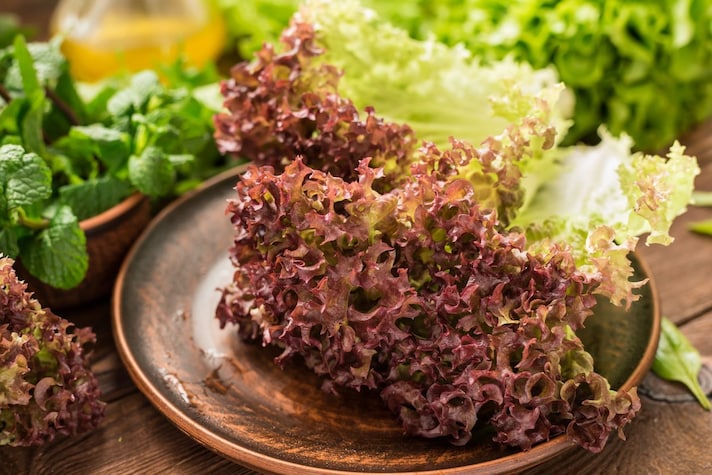
With its delicate, curly leaves, it's one of the most elegant varieties, often used for garnishing dishes. The head is soft and compact, and the flavor is sweet and pleasant. It's distinguished primarily by its color: dark green for the Lollo Bionda variety, purplish for the Lollo Rossa variety.
Despite its seemingly fragile appearance, it is quite resilient and can be stored for a fairly long time. It is quite versatile in cooking: try it in creamy risottos and savory pies, but it is also excellent as a cut lettuce, eaten raw with other vegetables: enjoy it in a salad with strawberries, arugula, and shaved Parmesan, dressed with a drizzle of balsamic vinegar to enhance its aroma.
7. Boston
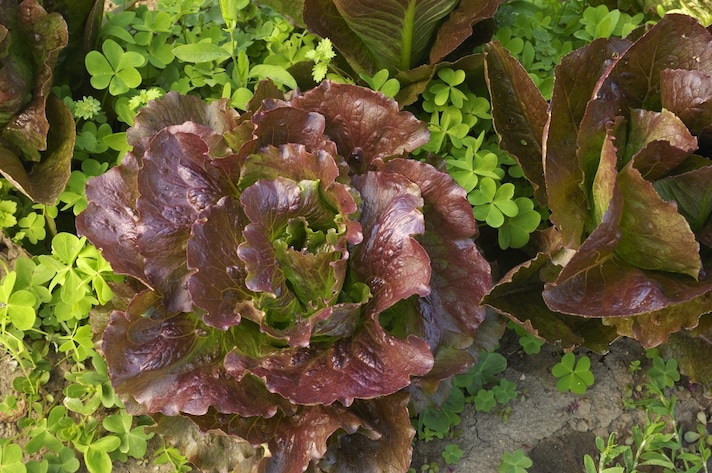
Available throughout most of the year, though especially appreciated in the warmer months, Boston lettuce is a soft and delicate butterhead variety characterized by its loosely packed head and tender, silky leaves. Its color ranges from pale green to light yellow at the center, while its flavor is mild, buttery, and slightly sweet, with very little bitterness.
Particularly prized for its soft texture and freshness, Boston lettuce is perfect for elegant salads and light dishes. Try it paired with avocado, citrus segments, toasted pecans, grilled shrimp, or a delicate vinaigrette to highlight its naturally smooth and refreshing character.
8. Butter
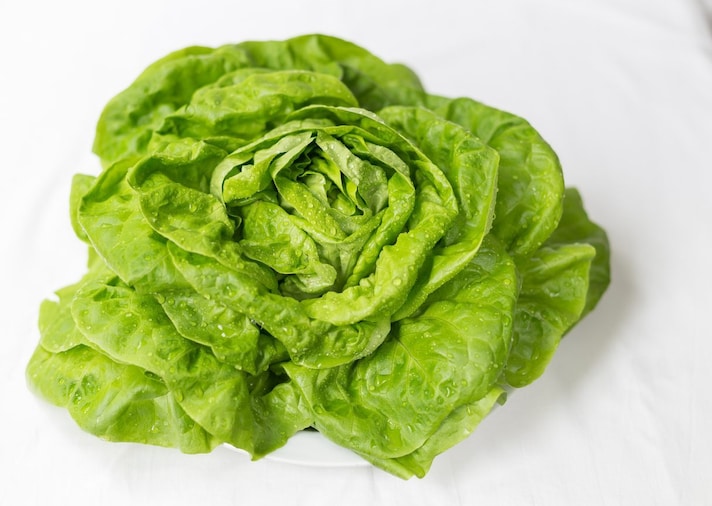
It's a type of lettuce with a compact, rounded head and broad, bright green leaves. Its soft, yielding texture, combined with a distinct sweetness, make it perfect for cooking, especially grilled and quickly sautéed in a pan with a drizzle of oil and chopped fresh spring onion.
Best eaten during the spring months, just as the harvest begins, it's particularly diuretic and rich in vitamins and minerals. If you prefer to enjoy it raw in a salad, try it paired with shrimp and avocado, drizzled with a dressing made from tahini, lemon juice, and yogurt, or with cucumber, cherry tomatoes, and chickpea hummus.
9. Celtuce (Asparagus Lettuce)
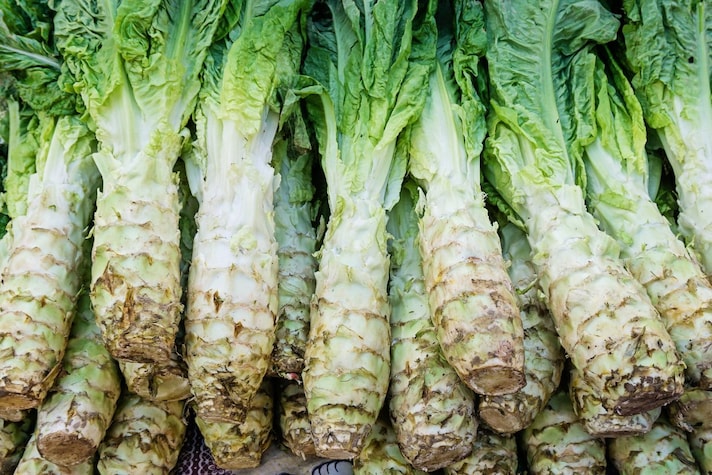
Also known as wosun, it is a very ancient plant of Chinese origin. It is a rare and very distinctive-looking variety, one you've probably never seen before. It has a fleshy stem that, once peeled and sliced, can be steamed, grilled, or sautéed. The flavor is sweet and delicious, with a nutty aftertaste.
The leaves, on the other hand, are light green in colour, very tender but slightly bitter and can be enjoyed in salads, preferably combined with vegetables with a more marked sweetness: sweet potato wedges, beetroot chips, roasted diced pumpkin and even pea hummus.
;Resize,width=767;)
