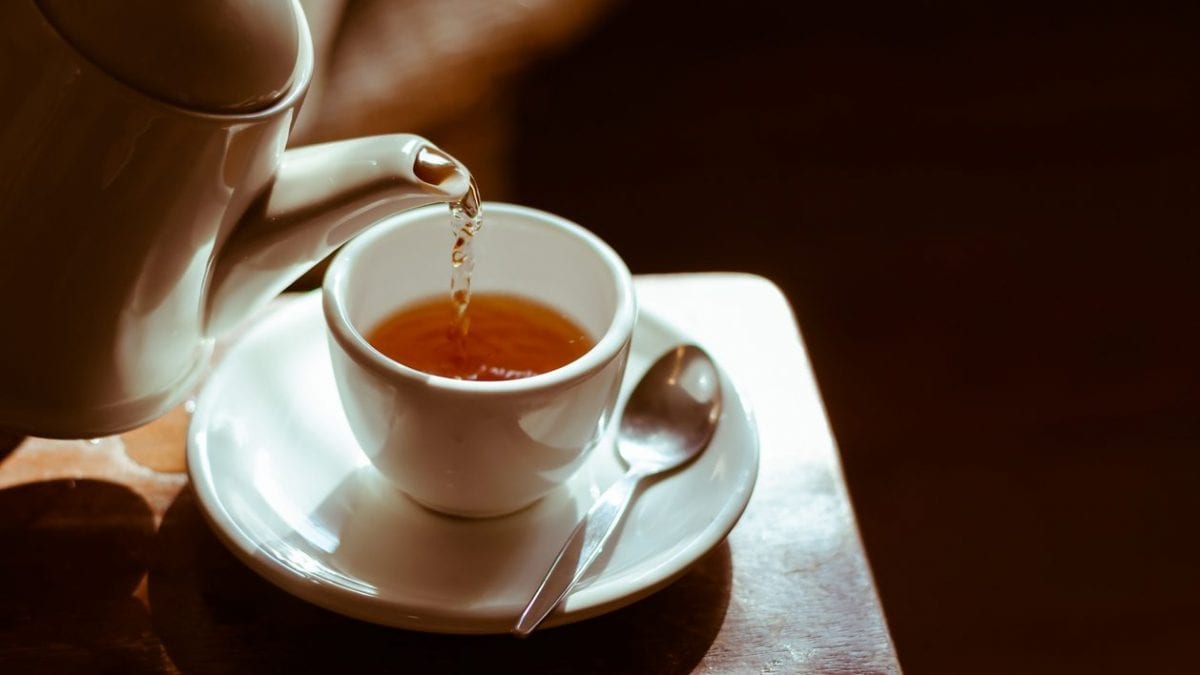
Of all the beverages in existence, tea is undoubtedly not only one of the most beloved and versatile, but also one that has shaped the history and culture of humanity. Obtained from a vast array of plant varieties with rich and varied flavors, tea has spanned centuries and cultures, becoming much more than a simple beverage.
Drinking and enjoying a cup of tea is a chance to dedicate a moment to yourself, inviting you to enjoy some pleasant and relaxing time alone or in company. It's no coincidence, in fact, that in some cultures it has become a veritable institution: just think of the British tradition of 5:00 PM tea, a ritual that has its roots in the 19th century.
Making a cup of tea might seem simple, but if you want to fully savor the goodness of the world's most popular beverage (about 25,000 cups are consumed every second), there are some rules you must follow. Tea is an art, and to prepare it perfectly, you can't just boil water and dip a tea bag: a cup of tea is a ritual, and for this very reason, it must be prepared with care. That's why today we're offering you some tips and tricks to follow to make the perfect cup of tea.
Loose Leaf Tea Vs. Tea Bags: Which is Better?
Let's start by immediately answering the most heated debate on the topic: is loose leaf tea or tea bags better? The best, purest, and tastiest product is certainly loose leaf tea, essential for preparing high-quality tea, except in very rare cases like matcha tea , which is powdered and is sometimes also used in cooking. Loose leaf tea, in fact, is the purest and most sought-after, comes in many different varieties and is handcrafted in such a way as to maintain the quality and wholeness of the leaf intact, which, when ground, releases all its properties and its intense flavor.
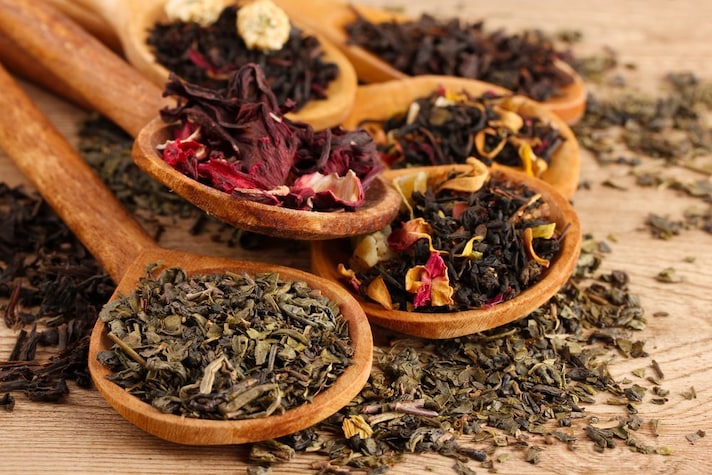
This isn't to say there aren't some good loose-leaf teas sold in pre-packaged tea bags, but these are offered by more niche brands. Generally, the most well-known companies that produce and sell tea bags don't offer actual ground leaves, but powders that don't contain the pure product. So, if you want the perfect cup of tea, head to a specialty shop or herbalist: there, you'll also find dozens of different varieties to find the perfect blend for your taste, in addition to being able to purchase high-quality pure tea.
The Amount and Type of Water Affect Tea's Flavor
It may seem trivial, but the type of water you use to brew tea significantly affects the final result: waters, in fact, do not all have the same flavor and mineral composition. The perfect water for tea is light, sweet, and low in minerals, with a low fixed residue. This last value is especially crucial: the lower the fixed residue, the higher the quality of the tea you will obtain.
This is because the tea leaves react with the minerals during infusion, affecting and changing the final flavor. Therefore, it's best to avoid tap water, even if it's drinkable, as it's too hard and high in calcium. It's better to opt for filtered or bottled water, preferring those with a fixed residue below 50 mg/l (easily checked on the label).
Furthermore, the amount of tea used also affects the final result when using loose-leaf tea: too little will not infuse well in the water, while too much will make the flavor too strong and unpleasant. Generally, the right amount is 1 gram of tea per 100 ml of water, but this can vary depending on the type of tea.
The Right Water Temperature
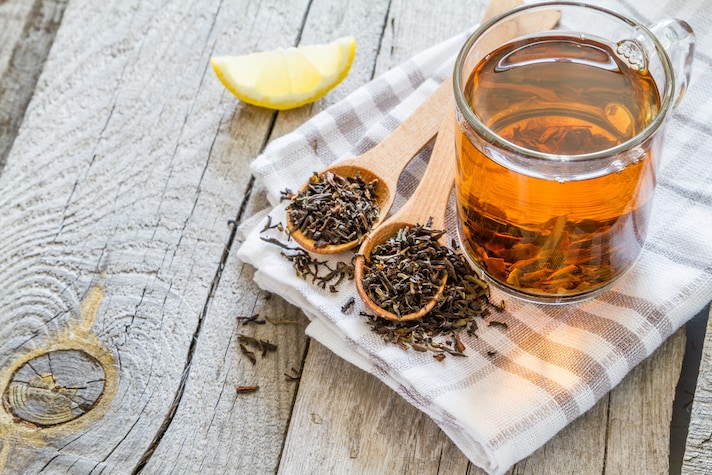
Speaking of water: the temperature also affects the final result of your tea, another factor that's often taken for granted but actually contributes to a successful brew. This is because the right temperature neutralizes the tea's tannins, amino acids, and aromatic compounds when the water is too hot.
Since these substances begin to dissolve at 160°F/70°C, the recommended average temperature for infusion is between 160/70 and 212°F/100°C. However, it all depends on the type of tea you're preparing, as not all have the same characteristics.
- The more delicate white and green teas will therefore require an infusion temperature between 160/70 and 175°F/80°C;
- Black teas which are much stronger require higher temperatures ranging between 195/90 and 203°F/95°C.
You also need to be very careful where you pour the boiling water to make tea: remember that if you pour it into a cold container like a regular teapot or a cup from your favorite tea set, the temperature will immediately drop by a few degrees. For this very reason, English tradition, one of the most authoritative on the subject, dictates that the drink should be prepared only in a preheated teapot, preferably ceramic or earthenware, and only then poured into cups.
Steeping Times for Loose Leaf and Tea Bags
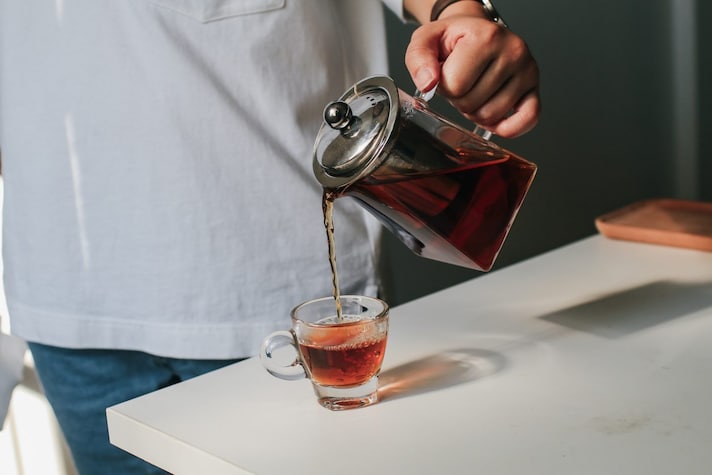
When preparing a perfect cup of tea, you need to pay particular attention to the infusion time, which, as you can imagine, affects the final flavor: if it's too short, the tea won't taste like anything; if it's too long, it will be too intense, almost bitter.
As always, there are several distinctions to make. First of all, if you use tea bags, remember that you won't need a very long steeping time; quite the opposite, in fact: three minutes will be enough to achieve the right balance in your cup.
The situation is different for loose leaf tea: in this case, the infusion time varies depending on the type of product you use, because just like with water temperature, each variety has its own characteristics.
You can usually find the brewing instructions on the tea bag in which the tea is sold, but in general remember that black and green teas require 2-3 minutes of brewing, white teas 3-4 minutes and oolong teas, somewhere in between the two, even 6-7 minutes.
Once you've waited the correct amount of time, you can pour the tea directly into the cup using a very fine mesh strainer to filter the leaves, an infuser, or directly from the teapot if it already has an internal infuser. In this case, remember to remove it first so as not to leave the leaves in contact with the water for longer than necessary.
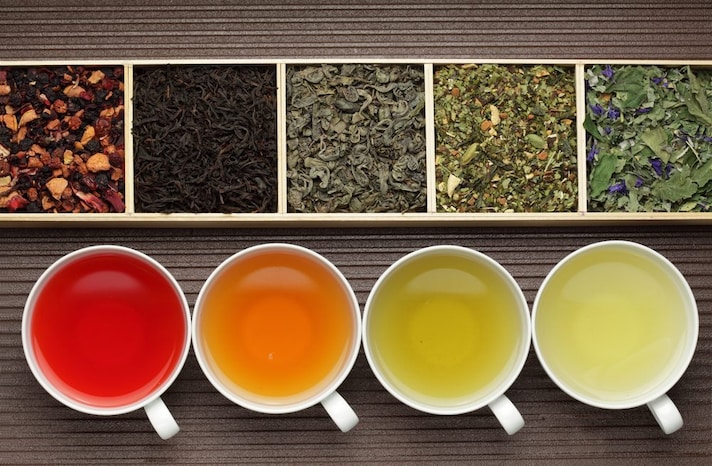
Should You Sweeten Your Tea?
One of the most debated topics in the world of tea (as well as coffee) concerns sweetening the beverage: sugar or no sugar? Tea lovers and experts will tell you that tea should absolutely be drunk pure, without adding any sweeteners. Technically, they're right, because to fully appreciate every nuance of flavor, tea shouldn't be sweetened, as sugar makes it sweeter and therefore automatically alters its original organoleptic characteristics.
The perfect cup of tea, therefore, isn't sweetened, but is a result achieved over time by training the palate to the absence of sugar. A good method is to initially choose sweeter tea varieties, so as to make the absence of sweeteners easier and then be able to sustain increasingly refined and intense flavors.
But if you really can't manage to sweeten the tea by hand, it's better to use something milder than regular sugar, such as raw cane sugar or a drop of honey, which will affect the tea's flavor less. Some traditions also allow you to add milk or lemon, but this is purely a cultural issue.
;Resize,width=767;)
