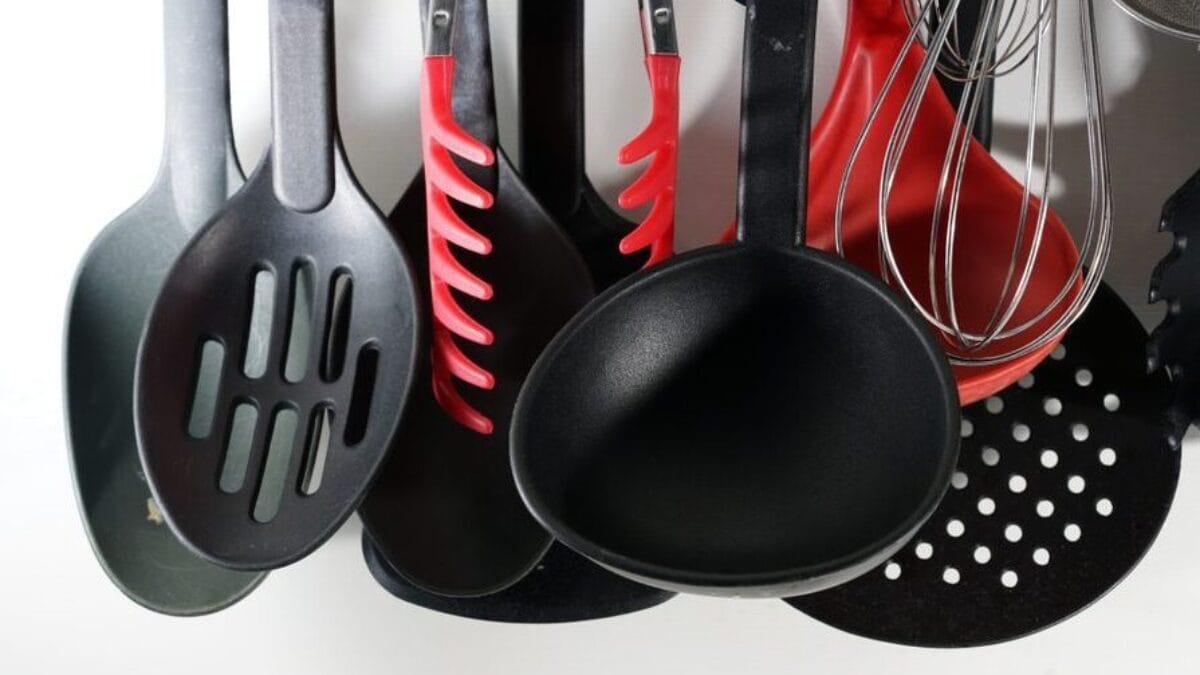
They're simple objects, almost impossible to consider problematic: a ladle, a spatula, a spoon are everyday items you use without thinking, often for years. Yet, precisely because they continually come into contact with food and high temperatures, they deserve a little extra attention. The material they're made of, the condition of their surfaces, the way they're washed, and even when you decide to replace them can make a difference. Some signs are obvious, others much less so, but knowing what happens to these utensils with use allows you to adopt simple measures without sacrificing practicality. What are the aspects to pay attention to when choosing and using a ladle? And when should a normal sign of wear make you think it's time to replace it? Here are the concrete dangers of kitchen ladles and how to avoid them for safe use.
Wood Vs. Plastic Vs. Silicone Vs. Metal Ladle Materials
Kitchen ladles can be made of a wide variety of materials, and the choice depends not only on aesthetics or practicality, but also on how the utensil reacts to heat, humidity, food, and wear over time. Wood is one of the most traditional materials: it's lightweight, doesn't easily scratch pots and pans, and is particularly pleasant to hold. However, it tends to absorb water and food residue, requiring proper cleaning and drying. Furthermore, over time, it can develop cracks or deteriorate its surface. Plastic, widely used due to its low cost and ease of cleaning, is lightweight and available in numerous shapes and colors, but not all plastics are equally resistant to high temperatures: a utensil not designed for heat can warp or deteriorate if left in contact with very hot pans for extended periods. What's more, a study from a few years ago found that chemical analyses of some inexpensive black plastic utensils (especially those made from uncontrolled recycled plastic) revealed the presence of flame retardants and primary aromatic amines: potentially harmful chemicals that can leach into food if the utensil overheats or melts when it comes into contact with the pan.

Silicone , on the other hand, is prized above all for its flexibility and good heat resistance, as well as because it generally does not scratch non-stick surfaces; even in this case, however, it is important to distinguish between products of different quality and respect the operating temperatures indicated by the manufacturer. Finally, metal, often stainless steel, offers strength, rigidity, and good resistance to heat and wear, making it particularly suitable for many cooking operations, but it can scratch some delicate surfaces and transmits heat quickly, potentially making the handle very hot if not properly insulated.
Possible Risks of Damaged or Unsuitable Tools
A ladle or other kitchen utensil can become problematic, especially when it shows obvious signs of deterioration or is used in conditions for which it was not designed. Deep scratches, cracks, crevices, chips, and worn surfaces are not just aesthetic defects: they can promote the formation of bacterial biofilms nestled in the crevices, which normal hand washing with dish soap cannot eradicate. This problem is particularly significant for wooden utensils, which can develop cracks or chips after prolonged use, but it also affects any type of material when the surface deteriorates. Furthermore, a damaged utensil can lose some of its integrity and release small fragments during use, especially if subjected to mechanical stress, while a severely worn surface can be more difficult to clean and maintain in adequate hygienic conditions.
Special attention should also be paid to heat: not all materials and products are designed to withstand the same temperatures. A plastic not suitable for high-temperature cooking may warp or deteriorate if left in contact with a very hot pan; similarly, a silicone component must be used within the limits indicated by the manufacturer. Heat-induced deterioration may manifest itself through deformation, surface changes, brittleness, or visible alterations. If these signs are present, the utensil should be replaced.

It's therefore important to consider not only the material's resistance, but also the entire utensil and its specific use. Generally speaking, the simplest rule is to periodically inspect the ladle's condition: when cracks, fissures, chips, deformations, burns, or marked wear appear, or when the surface can no longer be cleaned effectively, it's wise to discontinue use and replace it. Likewise, before using a utensil near a heat source, always check the manufacturer's instructions regarding maximum temperature and compatibility with the type of cooking.
Hygiene, Contamination and Correct Cleaning of Kitchen Utensils
From a hygiene perspective, a ladle must be considered a utensil that comes into direct contact with food and, therefore, can contribute to its contamination if not cleaned and stored properly. During food preparation, food residues, fats, starches, and other organic materials can build up on the surface of the ladle. If not removed properly, they can promote the persistence and spread of microorganisms. Cross-contamination can also pose a risk, for example, when the same utensil is used for different foods without being washed, or when a clean ladle is placed on a dirty surface. Therefore, cleaning should be done after each use, using hot water and dish soap, paying particular attention to hard-to-reach areas, such as seams, grooves, or surface imperfections.

When it comes to wooden ladles, it's important to consider some specific characteristics of the material: wood is porous and can absorb a certain amount of water and substances present in food, especially when the surface is very worn, scratched, or cracked. This doesn't mean that a wooden utensil is necessarily less safe than one made of other materials, but it does make its maintenance particularly important. After washing, the ladle should be rinsed thoroughly and left to dry completely, preferably in a clean, well-ventilated place, rather than stored while still damp in a drawer or closed container. Persistent moisture can promote deterioration of the wood and create more favorable conditions for microbial growth. Prolonged immersion in water is also not a good practice, as it can contribute to swelling and warping of the material and, over time, promote the appearance of cracks. For the same reason, a wooden ladle with deep cracks, chips, mold, warping, or a severely deteriorated surface should be replaced rather than simply subjected to more aggressive washing. This is why, in professional kitchens, wood is often replaced with stainless steel or high-density polymers, which better withstand the temperatures of industrial dishwashers and daily sanitization.
When Is It Time to Replace a Ladle?
To replace a ladle, you shouldn't consider how long you've had it, but rather its condition. A healthy ladle can be used for a long time, but a scratched, misshapen, or damaged utensil should be replaced, regardless of how new it is: these are precisely the characteristics that compromise its safety or the ability to be cleaned properly. Among the main signs not to be overlooked are cracks, deep fissures, chips, detached parts, permanent deformations, burns, discolorations, or surface alterations associated with obvious deterioration of the material. In the case of wood, for example, a small change in color isn't necessarily indicative of a problem, while a crack where food residue can accumulate represents a more concrete reason to consider replacing it. For plastic and silicone, however, it's best to pay attention to surfaces that become sticky, very rough, or brittle, to deformations caused by heat, and to any signs of degradation. A tool should also be replaced when it is no longer possible to wash it effectively or when, despite normal cleaning, persistent residues remain in cracks or deteriorated areas.
When choosing new utensils, you should consider not so much their appearance or price, but their suitability for the intended use. Choose products specifically designed for food contact and purchased through reliable sources, checking the information on the packaging or label. Also check the instructions regarding the maximum usage temperature and whether they are dishwasher safe. This is particularly important for plastic and silicone utensils, because seemingly similar products can have very different characteristics depending on their formulation and construction. If you frequently use non-stick pots and pans, also, always choose utensils designed to avoid damaging the coating, such as those made of silicone or other compatible materials. Avoid using metal utensils when the cookware manufacturer advises against it.

