It's not certain, in fact, whether the expression "open sesame," which later became very common, actually referred to the plant we all know as its flavorful and fragrant seeds, but its richness was undoubtedly already known in the fairy tales of One Thousand and One Nights. Indeed, well before that, given that it had already been domesticated in India/Pakistan, Egypt, and the Fertile Crescent around 5,000 years ago. Today, sesame is one of the most popular and widely used oilseed plants in cooking, a versatile ingredient available in seeds, oil, flour, and cream that adds flavor, crunchiness, and aroma to dishes. Let's get to know it better.
What is Sesame?
The scientific name of sesame is Sesamum indicum and it belongs to the Pedaliaceae family: its origins date back to tropical and subtropical regions of Asia (India and Pakistan) and North Africa (Egypt), where it was cultivated thousands of years ago for the production of seeds and oil, used for human nutrition, in cosmetics, in traditional medicine (for massages in Ayurvedic medicine), in religious rituals as a symbol of eternal life and also as fuel for lamps. In botany, it is an annual herbaceous plant that exceeds one meter in height and is characterized by a thin stem, lanceolate leaves and small, clear tubular flowers, often white or pink. After flowering, elongated capsules form which, once ripe, open spontaneously (technically called “dehiscent”) releasing the tiny seeds contained within: there are usually between 50 and 100 of them.
White and Black Sesame Varieties
Sesame seeds are not all the same: depending on the cultivar they originate from, they have different colors – white, black, reddish – with some types being more common and others rarer. Nowadays, the major producers of sesame are India, Burma, Sudan and China, but it is also grown in Brazil, Greece and, to a lesser extent, in Sicily, where the plant was imported by the Arabs, soon becoming part of the local gastronomic tradition. In fact, on the island, there is a native variety saved from extinction (now a Slow Food Presidium) known as Ispica sesame, which takes its name from the town in the province of Ragusa where it was recovered: it has a seed with amber hues and an intense flavor that is used to prepare a traditional Christmas dessert, giuggiulena or giurgiulena, made with sesame seeds, almonds and honey. In the world, there are other prized “sesames”, such as pocü, the black sesame of the Naga, a farming community from the village of Chizami in Brazil, which is crunchy and has notes of hazelnut, or the sesame of the Kalunga, descendants of African slaves who cultivate two varieties of gergelim branco (white sesame) and gergelim preto (black sesame), which have also been a Slow Food Presidium since 2017.
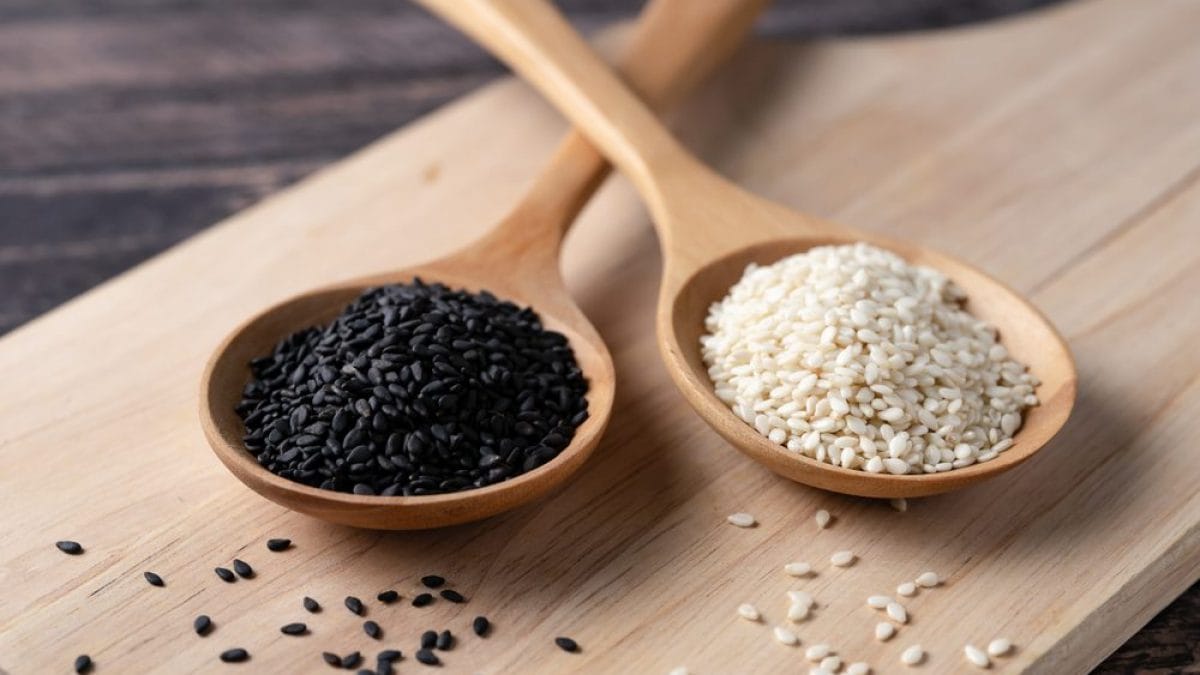
In the grocery store and, in general, in shops, the types of sesame seeds that we find are the two most common: white and black.
- White sesame seeds are the most common, generally hulled, meaning without the outer skin, and for this reason they have a delicate, sweet, and slightly buttery flavor. They are the most used in Mediterranean and Middle Eastern cuisine, especially in baking and to make creamy sauces like tahini and desserts.
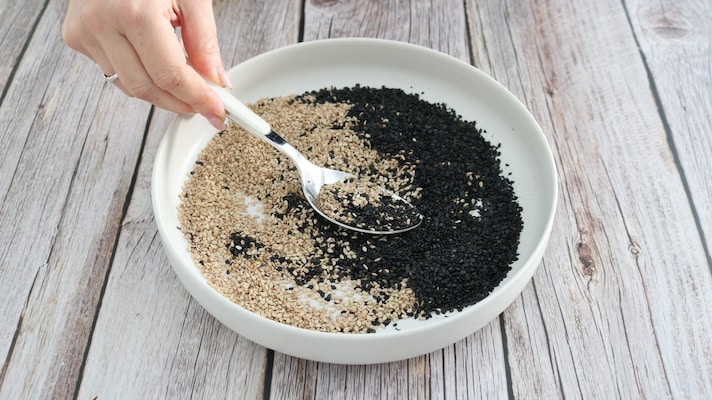
- Black sesame seeds, on the other hand, almost always retain their outer coating: they have a stronger, more bitter aroma, as well as a tougher texture. We often see them in Asian (or Asian-inspired) dishes, used to enrich rice and noodles, or as an aesthetic touch for coatings and breadings, such as those used in sushi or tuna tataki.
Sesame Seeds' Properties and Benefits
Sesame is considered a highly nutritious food thanks to the presence of unsaturated fats, proteins, fiber, vitamins (B6 and E), and minerals such as calcium, iron, phosphorus, zinc, magnesium, copper, and selenium. In particular, a single serving (30 grams) can contribute to the intake of approximately one-third of the daily calcium requirement, reducing the risk of diseases such as osteoporosis. Furthermore, the seeds contain unique bioactive compounds including sesamin and sesamolin, belonging to the lignan family, known for their antioxidant and anti-inflammatory properties. According to some research, moderate consumption of sesame and its oil may contribute to the control of cholesterol, blood sugar, and cardiovascular health. Sesame is a gluten-free food, therefore suitable for those suffering from celiac disease, but it is also an officially recognized allergen due to some proteins it contains that can cause adverse reactions, even serious ones. Although small, sesame seeds are not light: they are oily seeds, therefore high in calories, and should be consumed sparingly.
Uses in Cooking
Sesame has been known as a food since ancient times, appearing in many traditional dishes around the world. From a functional standpoint, the seeds are particularly appreciated in cooking because they add crunch and aroma to dishes: they can therefore be used together with spices and aromatic herbs as a seasoning in salads, for example in the form of gomasio, a mix of salt and toasted and crushed sesame seeds typical of Japan, or the Middle Eastern za'atar (thyme, sesame, salt with the addition of cumin, oregano, fennel seeds, and sumac), helping to reduce salt intake without sacrificing flavor. Toasting sesame seeds —it's best to choose white ones, as black ones can become bitter—also enhances their aromas: just a few minutes in a dry pan, being careful not to burn them.
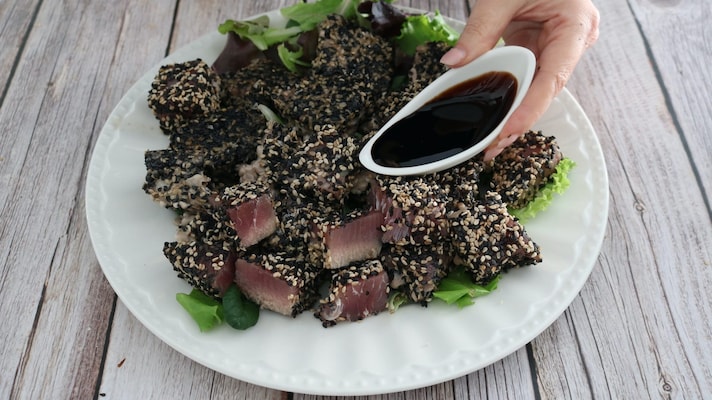
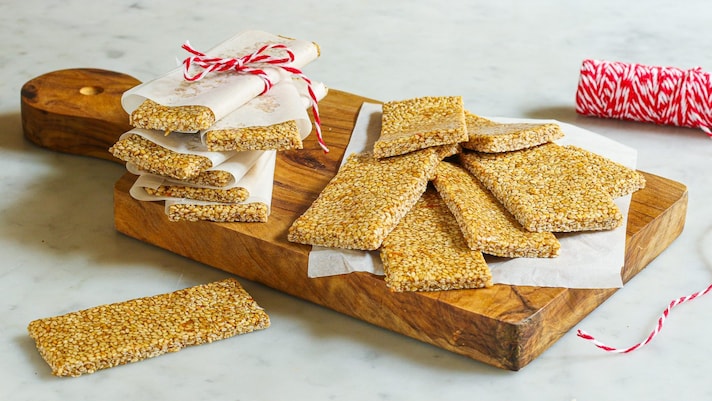
Sesame is frequently used in baking: typical examples are Sicilian mafalde, burger buns, and even breadstick variations. Sesame seeds are handy for enriching puff pastry savory pastries, focaccias, and for adding a crunchy touch to pan-fried vegetables (from carrots to pak choi), chicken nuggets, or salmon steaks, playing with textures and tried-and-true combinations like soy sauce. Obviously, there's also room for biscuits and desserts, often paired with other oilseeds, dried fruit, and honey.
By blending (even homemade) sesame seeds you can obtain the famous tahini sauce, which is used to make chickpea hummus or other variations, while sesame oil is also easily found on the shelves, a vegetable oil very popular in Asian cuisine that can be used as a final seasoning, as a raw ingredient for sauces such as mayonnaise, and for cooking for example tofu, enhancing its neutral flavour, and vegetables in a Chinese-style wok.
;Resize,width=767;)
