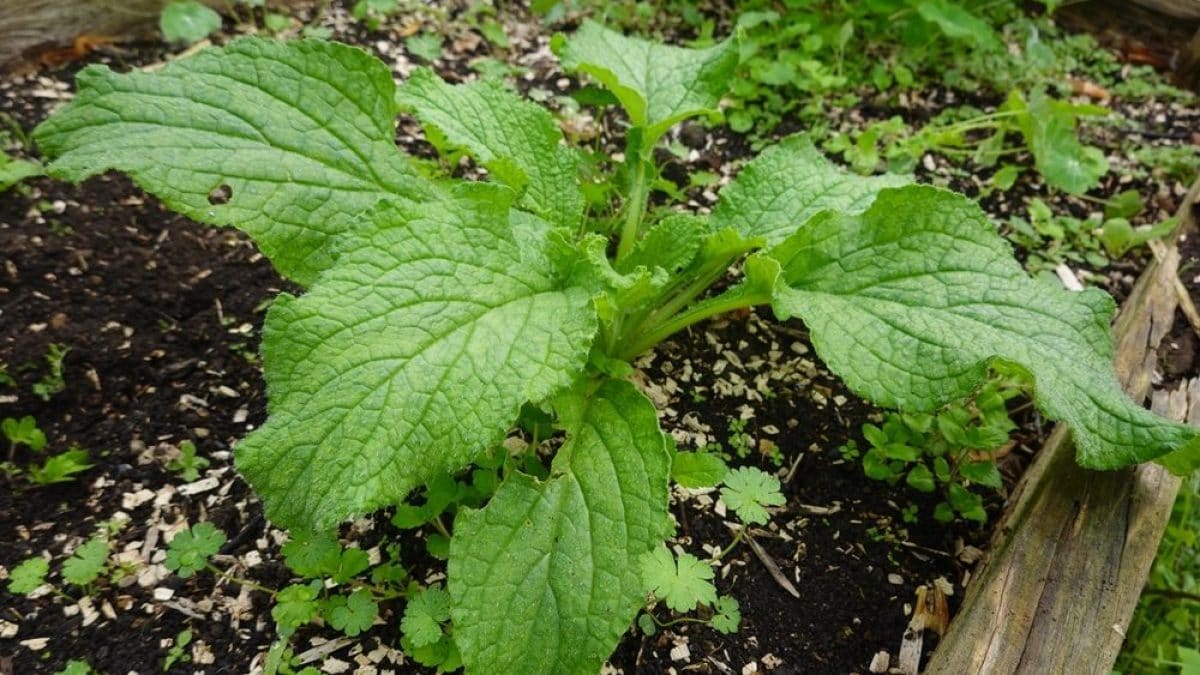
Borage is an annual herbaceous plant belonging to the Boraginaceae family, which grows wild in many areas of the Mediterranean and has been a part of culinary tradition for centuries, and lately it's also becoming popular in the U.S., especially in parts of California, Oregon and the Pacific Northwest, where it grows easily and is often cultivated as an edible plant. Its scientific name is Borago officinalis, but it is often referred to as the “herb of courage,” as various legends—particularly Celtic—regard it as being added to the wine of soldiers and warriors before battle. The term ‘borage' may etymologically be related to courage, deriving from cor ago, or it may descend from the Arabic abu araq, “father of sweat,” as it was known in ancient times for its sweat-producing properties. Alternatively, the most common hypothesis is that it derives from the Latin borra, meaning a rough woolen fabric resembling the down of leaves. Borage, in fact, is characterized by leaves covered with a thin layer of whitish hairs and blue-violet, star-shaped flowers: both are edible, as are the stems, for zero-waste culinary use in fresh pasta fillings, or simply sautéed, while the flowers are used as a garnish for salads and other dishes. But that's not all: borage is also linked to phytotherapy. Let's see why it is considered a plant with a thousand virtues and how to enhance it in the kitchen.
Borage's Properties and Benefits
Nutritionally, borage is a low-calorie plant with a high water content. It contains vitamins —particularly vitamin A, vitamin C, and several B vitamins —as well as minerals such as potassium, calcium, and iron. In folk medicine, it was primarily attributed to its invigorating and purifying properties. Recently, the oil extracted from its seeds (found in supplements and herbal remedies) has attracted interest, as it is rich in polyunsaturated fatty acids, including linoleic acid and gamma-linoleic acid, as well as antioxidants such as flavonoids and polyphenols. Here are the main benefits associated with it.
1. Anti-Inflammatory Action
The oil is studied largely for its potential ability to modulate the body's inflammatory processes, especially in cases of joint problems and chronic inflammation.
2. Skin-Friendly
Traditionally, borage was used to soothe irritations of the respiratory tract and skin (such as eczema) in the form of compresses and infusions: from this point of view, borage oil is today widely used in cosmetics for dry, sensitive or flaky skin, thanks to its ability to promote skin elasticity and hydration.
3. Ally Against Menstrual Cycle Disorders
We mentioned the presence of gamma-linolenic acid (GLA): this compound can help relieve menstrual symptoms, particularly those related to premenstrual syndrome, such as breast tenderness, bloating and cramps.

4. Purifying and Diuretic Function
Still referring to its use as a classic phytotherapeutic medicine, borage has long been considered a purifying and sudorific plant. The leaves and flowers were used in infusions and preparations to promote diuresis and stimulate sweating, especially during feverish or flu-like conditions.
5. Antioxidant Effect
The presence of polyphenols and flavonoids suggests a possible antioxidant activity of borage, that is, the ability to counteract oxidative stress caused by free radicals.
6. Support the Immune System
Thanks to the presence of vitamin C, polyphenols and other antioxidant compounds, borage can support the proper functioning of the immune system and improve cardiovascular health, keeping blood cholesterol levels under control.

Possible Contraindications
When it comes to consuming herbs with therapeutic benefits, care must be taken with quantities and long-term use. Borage, for example, contains substances called pyrrolizidine alkaloids (also found in other plant species) considered potentially toxic by the EFSA if consumed over prolonged periods. They can be carcinogenic, as well as damaging to the liver and fetal development (therefore, they are not recommended during pregnancy). The percentage of pyrrolizidine alkaloids in food products is usually minimal, as it is reduced during the manufacturing process. According to the Humanitas Institute, borage can also interfere with the use of anticoagulant and antiplatelet drugs. It is therefore advisable to always consult your doctor.
How to Use Borage in Cooking
Borage is one of the most versatile wild herbs in traditional Mediterranean cuisine. The leaves are generally eaten cooked, blanched in water for 5-10 minutes: this removes the surface fuzz and softens the texture. They are highly prized for enriching minestrone and soups due to their fresh, herbaceous flavor reminiscent of cucumber, and one of their most popular uses is as a filling for ravioli, pansoti, savory pies, and omelettes. The younger, more tender leaves are often dipped in batter and fried, much like sage. Recipes that enhance their flavor by sautéing them in a pan with oil, garlic, chili pepper, and a few anchovies in oil, such as chicory, are common. Among the most successful combinations are those with ricotta and fresh cheeses in general, eggs, and potatoes.

Borage flowers, beautiful and with a delicate, subtle flavor, are not cooked, but used as they are to garnish salads, cocktails, and even desserts (such as panna cotta, fruit tarts with custard, and ice cream). Try a paste, where flowers and leaves meet for a simple yet effective condiment. Finally, use the stems to make a vegetable broth.
Most of the time, borage reaches our homes because it is collected through foraging on country roads, along ditches, or at the edges of fields. When harvesting, be careful not to remove the roots (otherwise no other plant will grow) and, for the less experienced, not to confuse it with mandrake, which is poisonous. Before using it in various preparations, wash it under running water to remove any soil residue, separating the leaves and flowers, which, as we have seen, are used differently.

;Resize,width=767;)
