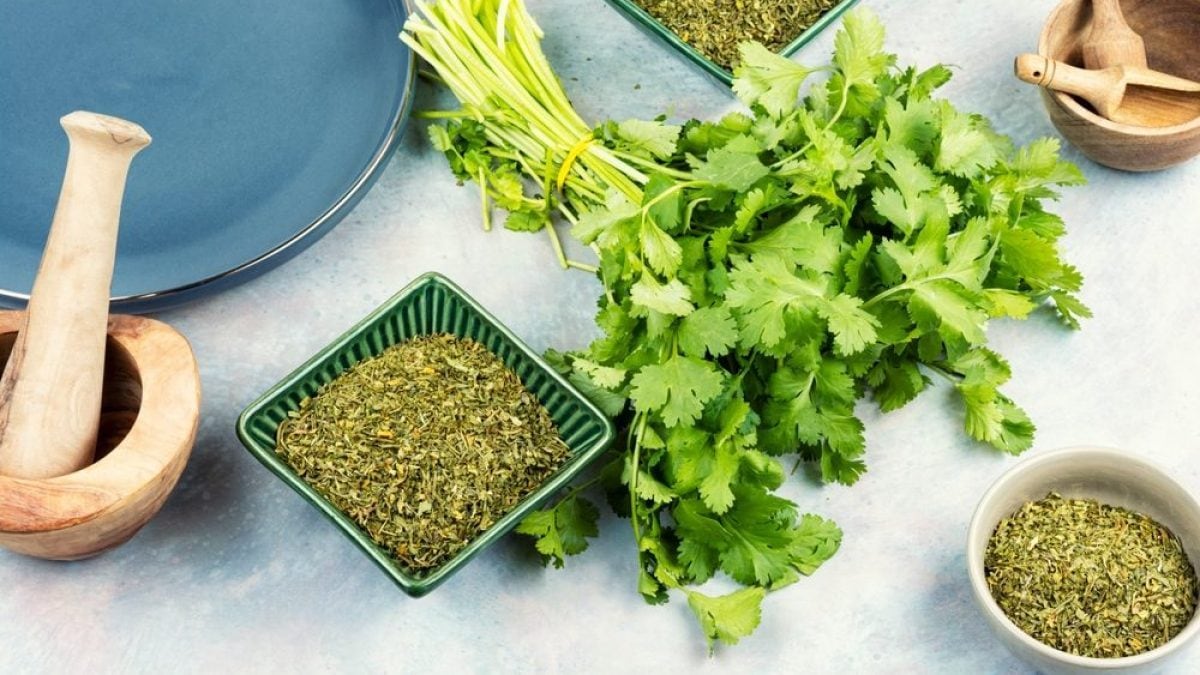
Some love it, some hate it: coriander is one of those ingredients that seems to accept no middle ground in the kitchen. It is used as an aromatic leaf herb, so much so that it is also known as Chinese parsley, or as a spice, using its seeds in numerous preparations. In Europe, for example, its use is much less frequent than it once was (the ancient Romans were well aware of it), used mainly as a flavoring for sausages and cured meats, such as mortadella, but it is decidedly more popular in Asian, South American, and Anglo-Saxon cuisines, giving dishes a distinctive flavor. Apparently, the different sensitivity to coriander is a genetic issue caused by the variant of the olfactory receptor OR6A2, which makes its scent not refreshing, but "soapy," therefore repelling, avoiding it in recipes. However, it could be a shame to always say no to it, because for millennia this plant has been known for its many beneficial properties, particularly its purifying, anti-inflammatory, and antibacterial properties.
Coriander's Properties and Benefits
Its scientific name is Coriandrum sativum and it is an annual herbaceous plant that belongs to the Apiaceae family: it is native to the Mediterranean areas, with evidence of its presence since the time of the Egyptians – with seeds found inside the pyramids – of the Greeks and Romans who used it both in cooking and as a medicinal remedy also taken in the form of decoction, infusion and herbal tea, as a natural antibiotic and against abdominal bloating. As a food, coriander contains a great variety of minerals, especially iron, potassium, calcium and phosphorus, as well as vitamins: in the fresh leaves we have a good quantity of vitamin C, vitamins of the B group and K. From the point of view of properties and benefits, coriander, as demonstrated by various studies, contains flavonoids, polyphenols, phenolic acids, terpenes and essential oils, that is, important bioactive compounds that are the basis of the virtues attributed to this vegetable. Let's see what the main ones are.
1. Aids Digestion
Coriander has traditionally been used as a natural remedy for gastrointestinal disorders. Certain aromatic compounds stimulate the secretion of gastric juices and digestive enzymes, aiding digestion and reducing spasms and bloating. Furthermore, its carminative action promotes the elimination of gas.
2. Anti-Inflammatory and Antioxidant Action
One of coriander's best-known properties is its anti-inflammatory and antioxidant properties, meaning it can fight free radicals that damage cells and tissues. We know, in fact, that oxidative stress and inflammation are involved in cellular aging processes and the development of various chronic diseases.

3. Antimicrobial Activity
Coriander essential oils have shown antibacterial and antifungal activity in several studies. These substances appear to interfere with the cell membranes of microorganisms, limiting their growth. This is one of the reasons why spices and herbs have historically been used not only to flavor foods but also to preserve them longer.
4. Heart's Ally
Several studies suggest that coriander may have positive effects on the cardiovascular system. Some extracts of the plant have shown the ability to influence blood lipid levels and help regulate blood pressure. It's important to note that these results are preliminary, but they are nevertheless important for scientific research.
5. Positive Effects on Blood Sugar Levels
Some research suggests that coriander's bioactive compounds may influence sugar metabolism, promoting better blood sugar control. The hypothesis is that certain active ingredients may modulate the activity of enzymes involved in the body's use of glucose, opening up interesting avenues for diabetes and obesity research.
6. Support Against Anxiety
Among the most interesting compounds found in coriander is linalool, an aromatic terpene responsible for the plant's typical fresh, citrusy scent, which is also found in bergamot, lavender, and cannabis. Experimental studies have observed that this molecule can exert an effect on the central nervous system, showing potential anxiolytic, mild sedative, and neuroprotective effects, although clinical evidence in humans is currently limited.

Coriander's Contraindications
Coriander is generally considered safe when consumed as a food, but if you're allergic to Apiaceae, the botanical family that also includes celery, fennel, and carrots, cross-reactions may occur, resulting in symptoms such as oral itching or swelling. Greater caution is advised when using concentrated extracts or essential oils, which can have more pronounced effects on the body and should be taken only after consulting your doctor, especially if you have a medical condition or are undergoing medication.
How to Use It in Cooking
In cooking, coriander is present in many international recipes. It is mainly used in the form of fresh leaves (in dishes you will find it referred to as cilantro) and dried seeds (coriander seeds), which are two very different ingredients. The bright green leaves have a slightly pungent flavor and are almost always added raw, whole or chopped, as a garnish to soups, rice dishes, fish, meat, and salads, such as Vietnamese phở or Peruvian ceviche. The yellowish seeds, meanwhile, have a warmer, more citrusy note and can be toasted or ground to flavor spice blends such as garam masala and other curries, marinades for meat, fish, and vegetables, and in the dough of German and Nordic spiced breads, together with, for example, cumin and fennel seeds.

;Resize,width=767;)
