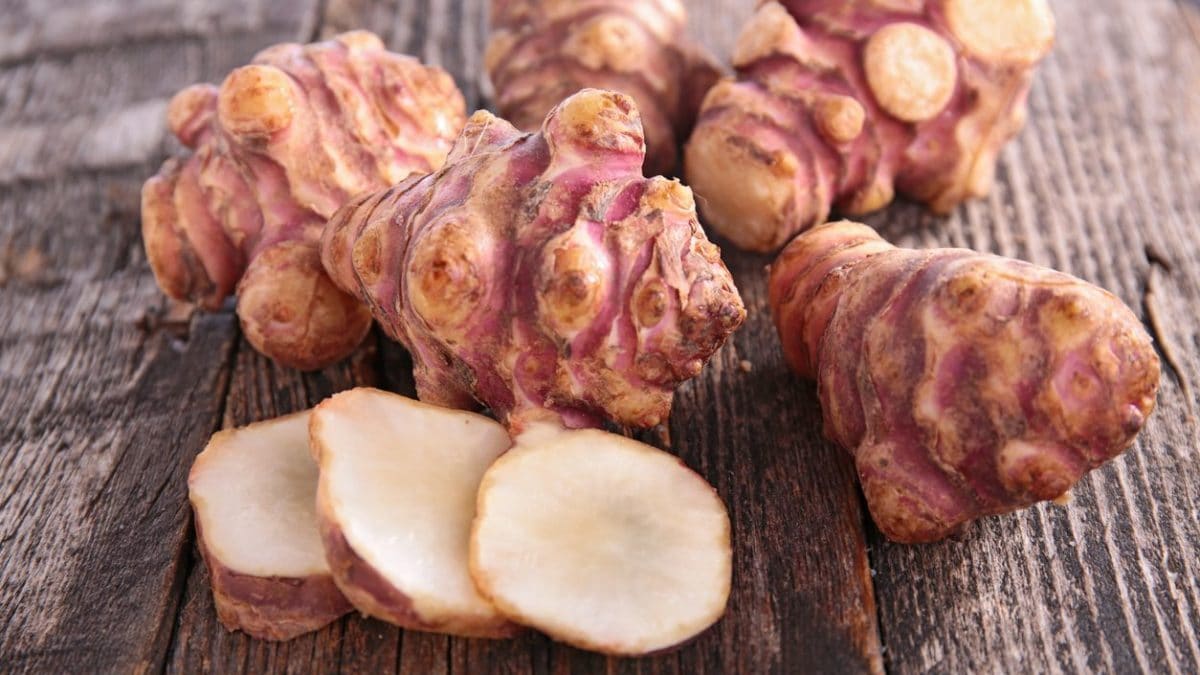
Small and slightly lumpy, the Jerusalem artichoke is the root of the Helianthus tuberosus, a species native to Central America and belonging to the Asteraceae family. Also called Canadian sunflower, or German turnip, it is often compared to the potato because it is cooked in a very similar way and has a similar texture, but differs in its nutritional profile. Its delicate and pleasantly sweet flavor is reminiscent of the artichoke, making it a very versatile ingredient in the kitchen.
Still little known and unfortunately undervalued, it is a vegetable with exceptional beneficial properties: low in starch and rich in fiber, it is a low-calorie food composed mainly of water (as much as 80 percent), in addition to carbohydrates, proteins and precious mineral salts and vitamins. It contains fructans, prebiotic substances which, by selectively promoting the growth of beneficial bacteria in the intestinal tract, they improve digestion and contribute to a healthy immune system.
Let's discover its benefits, any potential contraindications, and how to cook it to maximize its texture, flavor, and nutritional value. With the contribution of Dr. Simone Gabrielli, biologist and nutritionist.

Jerusalem Artichoke's Properties
Although often compared to potatoes, Jerusalem artichokes differ from them in that they have a significantly lower starch content and are rich in fiber, especially inulin. A low-calorie food, they contain approximately 73 calories per 100 grams and are composed primarily of water: a full 80 percent. They contain approximately 17-18 grams of carbohydrates and a modest amount of protein: about 2 grams.
It is also rich in precious micronutrients: among the mineral salts, potassium stands out, important because it regulates nervous impulses, muscle contraction and osmotic pressure, phosphorus and magnesium; good quantities of vitamins A, C and those of the B group, essential for supporting the metabolism and the immune system.
"Precisely thanks to inulin," Gabrielli explains, "it can help the intestine, because it promotes the growth of good bacteria and helps intestinal regularity." The presence of this fiber also allows for gentler management and modulation of blood sugar levels, preventing them from spiking sharply, and also provides an excellent sense of satiety.
This, combined with a fairly moderate calorie intake, also makes it an excellent ally for those following a low-calorie diet aimed at losing fat. The abundant fiber and water content improves intestinal transit and helps prevent constipation.

Jerusalem Artichoke's Benefits
Jerusalem artichoke's richness in water, plant fiber, and minerals makes it a nutritionally significant vegetable, a must-have for our fall menus. Here are the main benefits we can enjoy:
1. Prebiotic Function
The distinctive feature of Jerusalem artichoke is undoubtedly its extremely high content of inulin, a soluble dietary fiber belonging to the fructooligosaccharide group, known as FOS, also found in other vegetables such as chicory, onions, garlic, leeks, asparagus, apples, and artichokes, as well as in whole grains. Since inulin is not digested by enzymes, it ferments in the intestine and acts as a prebiotic, nourishing the beneficial bacteria and stimulating their growth and activity.
Precisely by virtue of this, Jerusalem artichoke is an excellent support for the intestinal microbiota, improves digestion and contributes to the well-being of the immune system.
2. Friend of Your Figure and Blood Sugar
Jerusalem artichoke is a low-calorie food, ideal for those wanting to lose weight or simply watching their figure. The high water and fiber content and the powerful action of inulin help slow gastric emptying and prolong the feeling of satiety. A food with a moderate glycemic index, it helps keep blood sugar levels under control and modulates blood sugar levels more efficiently and gently, preventing sudden spikes.
For this reason, it can be safely consumed even by diabetics, insulin-resistant people, or those following a low-glycemic index diet.
3. Ally of The Heart
"Being rich in potassium, it can also help with blood pressure and fluid balance," our expert explains. The high content of this mineral, important for the proper functioning of the body's main functions, supports the regulation of osmotic pressure and regulates nerve impulses, muscle contraction, and acid-base balance.
4. Powerful Natural Antioxidant
An excellent source of vitamins A, C, and B vitamins, Jerusalem artichoke plays an important antioxidant role and supports the metabolism and immune system.
5. Diuretic Action
The low sodium content and high potassium content also give this vegetable excellent diuretic and draining properties, useful for combating bloating and water retention. "Obviously, it's not the single ingredient that works miracles: Jerusalem artichoke can make a significant contribution, but what really matters is that the overall diet is varied, balanced, and rich in vegetables, fruit, and fiber," Gabrielli concludes.
Jerusalem Artichoke's Contraindications
Despite its numerous benefits, excessive consumption of Jerusalem artichoke can lead to some gastrointestinal problems, particularly in more sensitive individuals or those suffering from irritable bowel syndrome.
"Inulin can ferment a lot in some people," the nutritionist explains. This means that, especially if you're not used to it or if you take too much, it can cause bloating, gas, flatulence, or abdominal pain. "It's nothing serious, but those with irritable bowel syndrome often notice it right away. In that case, it's best to start with small amounts and see how you tolerate it," Gabrielli concludes.
How to Cook Jerusalem Artichoke
Versatile and with a delicate flavor reminiscent of the artichoke, Jerusalem artichoke is available from October to March. It looks like a small, knobbly root, vaguely resembling ginger, and when purchasing it, it's important to make sure it has a firm texture and a shiny, tough skin. Just like artichokes, it tends to blacken on contact with air and stain your hands (to prevent this from happening, once cleaned and cut, you can soak it in water acidulated with a few drops of lemon juice).
Before cooking, it should be thoroughly washed under cold running water and scrubbed with a brush to remove any dirt or impurities. Those who prefer can leave the peel on, which is thin and easily digestible—in this case, the tougher parts should be removed—or, alternatively, it can be peeled with a potato peeler or a very sharp knife.
To preserve its beneficial properties, Jerusalem artichoke can be eaten raw or in a salad: simply slice it thinly or grate it, then combine it with other vegetables and season with a dressing made from extra virgin olive oil, salt, and lemon juice. Alternatively, it can be sliced into rounds or sticks, drizzled with oil, a pinch of salt, and herbs to taste, then baked until irresistibly golden and fragrant.
It can be quickly sautéed in a pan with a little oil, garlic (or onion), and a sprig of rosemary: it will transform into a delicious side dish to accompany any grilled meat or fish. For a creamy and comforting dish, simply cook it with potatoes, shallots, and vegetable broth, then blend until smooth. In just a few minutes, you'll have a true comfort food, perfect to garnish with toasted bread croutons and a drizzle of extra virgin olive oil, and enjoy on a cold winter evening.
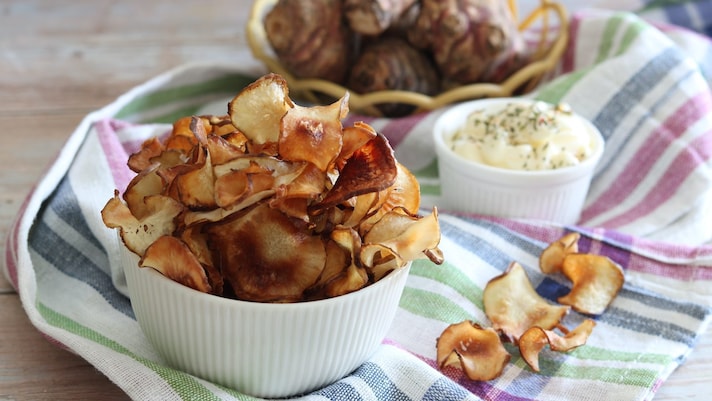
You can also simply steam it, make a rich puree by adding milk, butter, and salt, or use it to season a delicious risotto, another favorite grain, or a pasta dish. If, however, you want to make a tasty and slightly "sinful" snack, try it as chips: cut the Jerusalem artichoke into thin slices and fry them in plenty of hot seed oil; for a lighter but equally tasty option, you can also bake them in the oven at 355°F/180°C for about 20 minutes, or until they are nice and crispy.
Once ready, season them with a pinch of salt, your favorite spices, such as sweet paprika or chili pepper, and herbs like rosemary, thyme, and garlic powder. Serve them piping hot and accompany them with mayonnaise, even herb-infused mayonnaise, ketchup, barbecue sauce, or your favorite sauces. In short, not only healthy, but also incredibly tasty.

