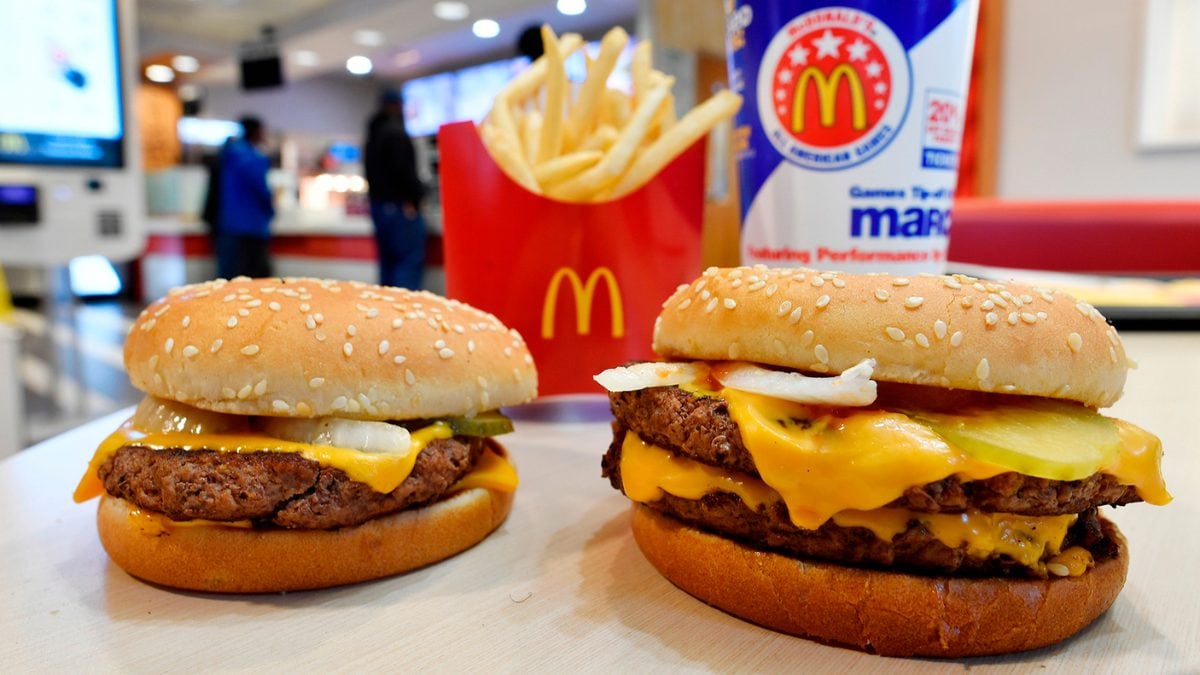
McDonald’s is shifting its U.S. menu strategy in 2026 to meet a clear cultural and nutritional pivot: Americans are eating less overall, but they want more protein, fewer empty carbs, and meals that feel functional rather than indulgent. The chain is responding with a broad, multi‑year push toward protein‑forward items, driven by changing appetites, the rise of GLP‑1 weight‑loss medications, and a growing expectation that fast food should offer satiety without excess sugar or starch.
Why McDonald’s Is Reworking Its Menu Around Protein
McDonald’s executives have acknowledged that customers are ordering differently than they did even a few years ago. Diners increasingly want meals that are filling, nutritionally dense, and high in protein, especially those using GLP‑1 medications like Ozempic and Wegovy, which suppress appetite and shift preferences toward protein‑rich foods.
CEO Chris Kempczinski has confirmed that the company is testing higher‑protein items specifically designed for these customers, noting that GLP‑1 users tend to prefer meals with more protein and fewer carbs.
Industry analysts say this shift mirrors broader trends already embraced by chains like Chipotle, which have leaned into customizable, protein‑heavy bowls and lifestyle‑aligned menu options. McDonald’s is now following suit.
What the New Protein‑Forward Menu Looks Like
While McDonald’s hasn’t released a full national rollout yet, several test markets are already experimenting with:
- Higher‑protein sandwiches and bowls — designed to deliver more satiety with fewer refined carbs.
- Reduced‑sugar beverage options — aligning with GLP‑1‑driven preferences for lower‑sugar drinks.
- Reformulated snacks — with more protein and fewer simple carbohydrates.
- Marketing that highlights protein and fat content — a shift former corporate chefs say will encourage purchase intent among GLP‑1 users.
International markets are also seeing early versions of these changes, including menu adjustments aimed at customers using weight‑loss medications and seeking more protein, less sugar, and fewer carbs.

How This Fits Into McDonald’s 2026 Strategy
McDonald’s 2026 menu strategy blends higher‑protein options, limited‑time flavor launches, and returning classics to keep traffic strong while adapting to new nutritional expectations. The company is not abandoning its core identity — burgers, fries, and convenience — but recalibrating to meet a new definition of “value” that includes nutritional value, not just price.
The Street reports that McDonald’s sees this as part of a broader rebound strategy, using menu innovation to respond to measurable shifts in consumer behavior.
The GLP‑1 Effect: A New Era for Fast Food
The rise of GLP‑1 medications is reshaping the entire fast‑food landscape. Customers on these drugs:
- Eat smaller portions
- Prefer protein‑dense meals
- Reduce intake of sugary drinks
- Snack less frequently
McDonald’s is adapting quickly, testing menu items that align with these behaviors and exploring how to serve a customer base that is eating differently — not just less. This shift is not just a trend but a structural change in how Americans approach food, and McDonald’s is positioning itself early in the transition.
What This Means for the Future of McDonald’s
A protein‑forward McDonald’s signals a new era where fast food must balance comfort, speed, and nutritional relevance. Expect to see:
- More lean protein options
- Fewer carb‑heavy limited‑time items
- Reformulated classics with higher protein counts
- Marketing that emphasizes satiety and function
McDonald’s is betting that the future of fast food isn’t just about indulgence — it’s about meeting Americans where their appetites are going next.
;Resize,width=767;)
