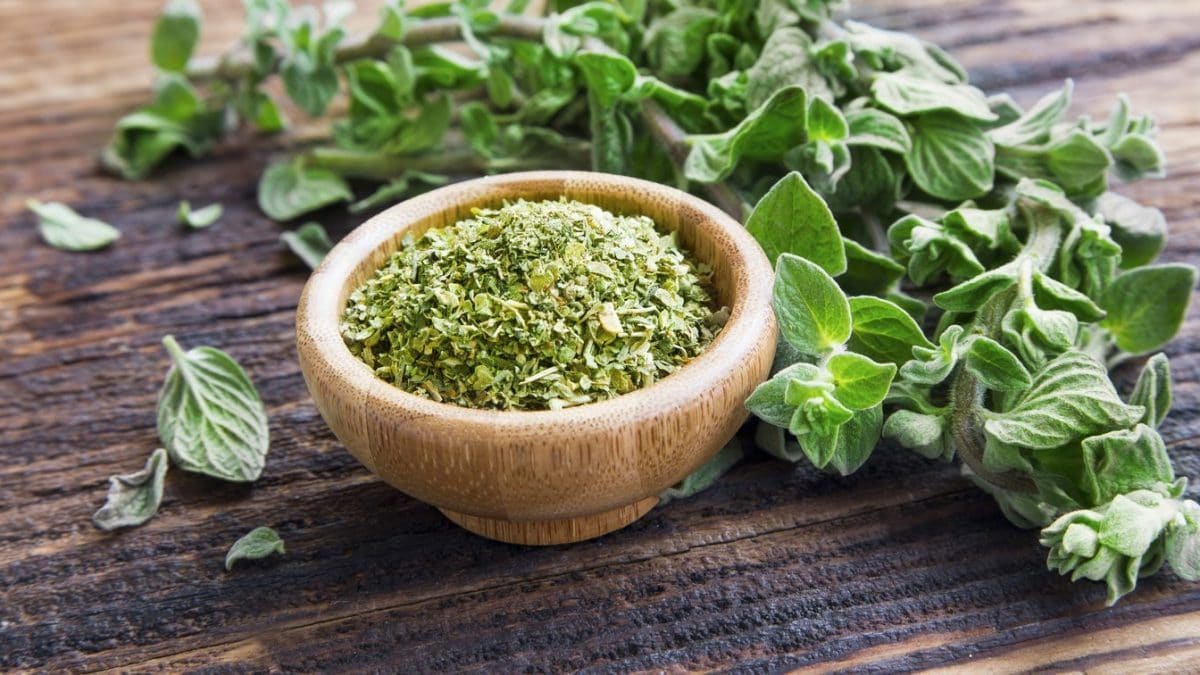
The world of aromatic plants is vast and diverse, but some of these herbs have become indispensable in your pantry, and for good reason. One of those you should always have on hand is oregano: scientifically known as Origanum vulgare, it is a perennial aromatic plant belonging to the Lamiaceae family, the same as thyme. Its origins date back to Europe and Central and Southern Asia, and it was already used by the ancient Greeks and Romans as a seasoning and for its beneficial properties. An undisputed protagonist of Mediterranean culinary tradition, and even more so in Italian cuisine, oregano is primarily known as an ingredient thanks to its unmistakable aroma and flavor, which instantly enhance a wide range of recipes.
What many people don't know, however, is that oregano can be a tremendous help to our body: the herb boasts numerous beneficial properties, particularly known for its antioxidant, antibacterial, and digestive effects, but also for supporting cardiovascular, intestinal, and immune health. Due to its rich nutritional profile, oregano has been used since ancient times in folk medicine. However, it's important to consume it in moderation to avoid unwanted effects, especially if you have gastric problems or are undergoing specific drug therapies. Here's everything you need to know about oregano, from its numerous properties to precautions to take when consuming it, as well as some tips on its culinary applications.
Oregano's Properties and Benefits
Oregano boasts numerous health benefits, thanks to its nutritional composition rich in vitamins, minerals, and bioactive compounds. Thymol and carvacrol, for example, are known for their antioxidant and anti-inflammatory properties, while other substances such as rosmarinic acid and ursolic acid have been shown to possess antibacterial, fungicidal, and antiviral properties. Oregano also contains essential vitamins and minerals, including vitamins A, C, E, and K, iron, calcium, magnesium, and potassium. How does this nutritional wealth translate into health benefits? Here's everything oregano can do for you.
1. Antioxidant Action
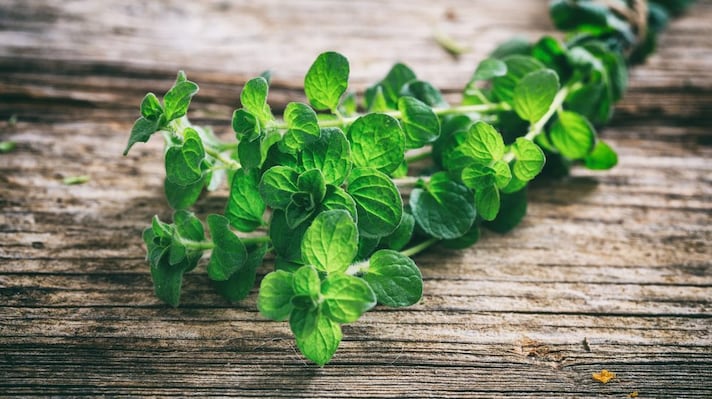
One of the main benefits of oregano is its powerful antioxidant action. This is thanks to compounds such as flavonoids and polyphenols, as well as compounds such as thymol and carvacrol (also responsible for the herb's pungent odor and flavor), which help neutralize free radicals in the body, unstable molecules that can cause cellular damage and contribute to the development of chronic diseases or premature skin aging.
2. Antibacterial and Antifungal Effect
Thymol and carvacrol, two of the main components of the plant's essential oil, also have strong antibacterial and antifungal properties, making oregano a natural broad-spectrum antibacterial, effective against numerous microorganisms, bacteria, and fungi, often even the most resistant. Its antiseptic, antifungal, and antiviral properties also make it a useful remedy for respiratory, intestinal, and skin infections.
3. Support the Immune System
The compounds with antibacterial properties, in addition to a good presence of vitamin C, make oregano a great support for the immune system: the plant, in fact, helps fight infections, acts as a natural anti-inflammatory and furthermore the polyphenols and beta-caryophyllene counteract oxidative stress, protecting cells and reducing the workload on the immune system. All this makes oregano a natural anti-inflammatory, especially useful for those suffering from chronic inflammatory conditions.
4. Improved Digestion
Whether consumed as an infusion or as an ingredient, oregano is a valuable digestive aid thanks to its carminative, anti-inflammatory, and stimulant properties, which help reduce bloating, cramps, and intestinal gas. Thanks to its fiber content, it promotes bowel regularity and supports bowel function. Its compounds also stimulate bile secretion and the production of digestive enzymes, supporting proper digestion and the proper functioning of the entire gastrointestinal tract.
5. Supports Cardiovascular Health
Oregano offers several cardiovascular health benefits thanks to its rich antioxidant content and potassium, a combination that helps regulate blood pressure and promote proper functioning of the entire system. Furthermore, its fiber content helps support healthy cholesterol levels, also reducing "bad" cholesterol, a factor that contributes to clogged arteries and heart disease.
6. Respiratory Well-Being
Oregano's anti-inflammatory and antiseptic properties make it a natural ally for respiratory health, especially for its expectorant properties. Oregano essential oil drops, inhaled through steam or diffused into the air, promote the fluidity of bronchial secretions, helping clear the airways in cases of colds, bronchitis, and asthma. Dried oregano tea (one tablespoon per cup, steeped for 10 minutes) is an excellent cough remedy.
Oregano's Contraindications
Despite its numerous benefits, oregano can have some contraindications, especially when consumed in large quantities or in the form of concentrated essential oil. Beyond possible allergic reactions, especially if you already suffer from allergies to other plants in the same botanical family (mint and basil, for example), you should be careful if you suffer from gastritis or acid reflux: in general, excessive oregano consumption can cause heartburn and intestinal irritation, but if you have previous problems of this type, it would certainly worsen the symptoms.

Consult your doctor about taking oregano, whether as a food or as an infusion or essential oil, if you are undergoing anticoagulant therapy: oregano is rich in vitamin K, which can affect blood clotting and interfere with the effectiveness of medications. Caution should also be exercised during pregnancy: moderate consumption of oregano in cooking is safe, but the essential oil is not recommended due to its possible stimulating effect on the uterus. Oregano essential oil is highly concentrated, so it is recommended to use it in low doses and for short periods, always diluted in other oils whether you use it as a food (in which case you can soften it with olive oil) or for use on the skin (in which case almond oil, for example, is suitable): in both cases, it could cause internal or external irritation if used pure.
How to Use Oregano in Cooking
Oregano is an extremely versatile aromatic herb, which you can use in the kitchen both dried and fresh. Dried oregano is more common, because thanks to this preservation technique the plant retains many of its beneficial properties longer. Remember, however, that when dried, it has a more concentrated and intense flavor, so it's excellent as a seasoning, but remember to measure it carefully and add a pinch at a time.
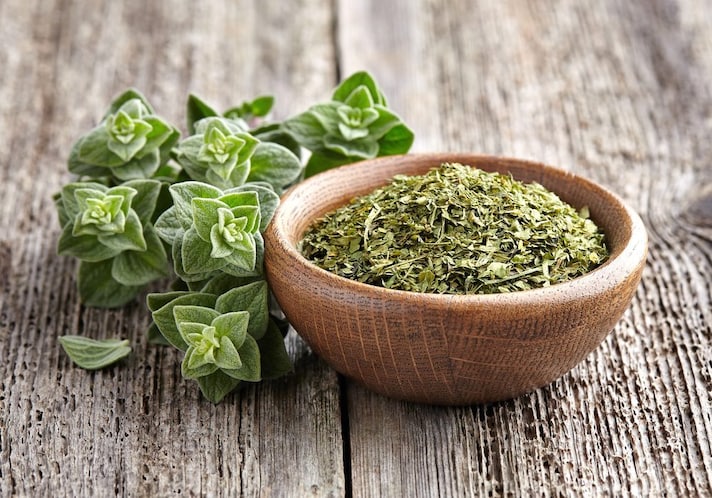
What can you add it to? It's no coincidence that oregano is one of the most used herbs in Mediterranean cuisine and goes well with everything. One of the most popular recipes featuring it is pizzaiola: a sauce made with tomato, garlic, oregano, and extra virgin olive oil that takes its name from its use primarily on pizza marinara. In reality, it's a condiment that adapts to many recipes, from meat to pasta, from eggs to vegetables like zucchini, from vegan ingredients like seitan to risotto. Dried oregano can also be used to flavor salads and sauces, to marinate meat and fish, or simply to flavor them after cooking, to give a boost of flavor to soups, broths, and stews. Dried oregano can also be used in boiling water to make an infusion that is very useful, especially in cases of digestive problems or colds.

Fresh oregano is more delicate than dried, but it's less versatile and doesn't last as long as the dried variety. Like many aromatic herbs, fresh oregano tends to change flavor when cooked and loses its characteristic flavor, as well as many of its beneficial properties. If you need to add it to tomato sauces, sautéed vegetables, meat, or fish, add it only during the last 3-5 minutes of cooking. Raw, you can use it in mixed salads, tomato carpaccio, or cold dishes like caprese salad.
;Resize,width=767;)
