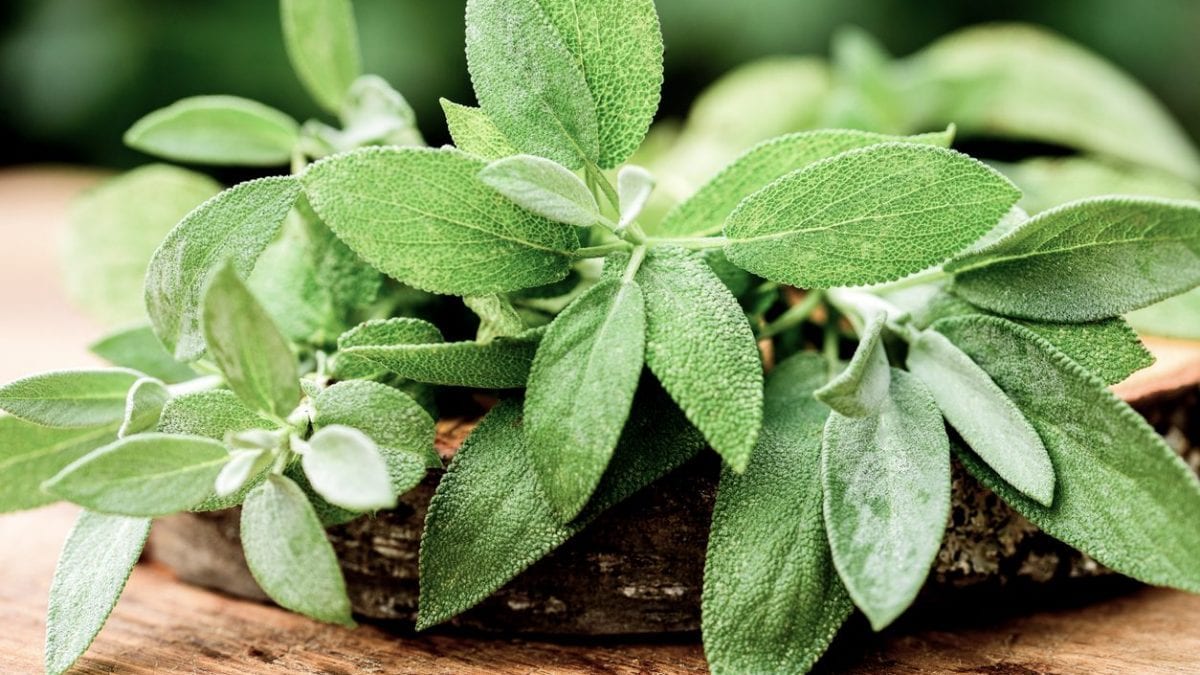
Sage is one of the most beloved and widely used aromatic herbs, both in the kitchen, where it is used in a wide variety of recipes, and in the world of natural remedies: it is no coincidence that it has been known and appreciated since ancient times as a remedy for a fair number of ailments. A herbaceous plant belonging to the Lamiaceae family, it actually exists in several varieties that all share the same name, including both annual and perennial varieties, used for both culinary and therapeutic purposes.
In the kitchen, where the officinalis variety (Salvia officinalis L.) is used, sage is one of the most beloved aromatic herbs, thanks to its intense aroma that can make any recipe and preparation special: you could practically cook an entire menu using only dried or fresh sage, using it to prepare a condiment – see the famous butter and sage tortellini – to marinate meat and fish, you can even cover it in batter and then fry it. The power of sage, however, is not limited to the gastronomic realm, and its name already makes this clear: salvia comes from the Latin “salvo” meaning to save.

Dried or fresh, sage boasts antibacterial, antiseptic, diuretic, and anti-inflammatory properties and has been considered a medicinal plant since ancient times. Widespread in all countries with a mild climate, sage grows as a bushy plant with a stem that begins green and then becomes woody, with gray-green leaves and a slightly velvety upper surface. Here's everything you need to know about this small, yet powerful herb, including the contraindications to watch out for.
Sage's Properties and Benefits
The beneficial properties of sage have been known since ancient times: considered a symbol of fertility and used to embalm the dead by the Egyptians, the Greeks used it for its stimulating properties (so much so that they banned it during sports competitions), the Romans used it to treat wounds and ulcers, and as a decoction to stop bleeding. In the Middle Ages, however, it was considered a true "panacea," used for all kinds of ailments, for example, to relieve sore throats, improve digestion, and as a remedy against aging. Is there any truth to these uses, or is it just superstition?
It's all true, and a look at its nutritional profile confirms it: sage leaves are rich in antioxidants and antibacterial substances, containing flavonoids, bitter substances, and phenolic acids, particularly caffeic, vanillic, and rosmarinic acids. The essential oil contained in sage, which is credited with most of the plant's beneficial properties, is rich in ketones, borneol acetate, pinene, and camphor; the leaves contain a moderate amount of vitamins and minerals (especially sodium), while the amounts of proteins, fats, and sugars are negligible. It's no coincidence that it's the subject of numerousscientific studies aimed at exploiting its potential in the medical field, but even taken daily, it can help your body feel better. How? Here are all the benefits of sage.

1. Helps the Intestines
A digestive and antispasmodic, sage has long been used to combat irritable bowel syndrome and indigestion. Thanks to its components, sage stimulates the production of gastric juices, aiding digestion and reducing bloating and gas. Furthermore, its antispasmodic properties calm cramps and spasms, while its anti-inflammatory properties soothe irritation and can be useful against gastroesophageal reflux.
2. Relives Menstrual Pain and Menopausal Symptoms
The essential oils and flavonoids contained in sage have an estrogenic effect, which is why they are a valid aid in relieving menstrual cramps and premenstrual syndrome. Furthermore, thanks to its tonic and energizing effect, it can counteract excessive or profuse sweating, which is why it is also considered a valuable ally in combating typical menopausal symptoms. This is also because it has a phytoestrogenic effect that can help offset the hormonal decline typical of this phase.
3. Anti-Inflammatory and Diuretic Effect
Carnosic acid and triterpenes have anti-inflammatory and diuretic effects, very useful for helping the body eliminate excess fluids and waste products. For this reason, sage, especially in the form of an infusion, is often recommended for those suffering from water retention, mild headaches, and rheumatism.
4. It Has Antiseptic and Balsamic Properties
The rich tannin content within sage gives the leaves, and especially the essential oil extracted from them, strong antiseptic and balsamic properties, making it useful for treating respiratory ailments such as coughs, sore throats, and bronchitis, as well as inflammation of the gums and oral cavity. Its primary effects include disinfecting the respiratory tract and thinning mucus, so much so that it is often prescribed as a treatment to decongest the airways, alleviating symptoms such as colds and sore throats, both as an essential oil and as a decoction and infusion.
5. Supports Dental Health
Sage is a great ally for dental health and oral hygiene: not only is it useful as a teeth whitener and breath purifier, but it is also very useful for treating gingivitis, canker sores and other mouth inflammations thanks to the disinfectant and antihemorrhagic action of tannins.
6. It Has a Hypoglycemic Action
Sage can help lower blood sugar levels, especially in cases of mild diabetes: the presence of compounds such as glucokinins, polyphenols and flavonoids in sage helps reduce blood glucose levels and improve the lipid profile.
7. Fights Insomnia
Sage is considered one of the best natural remedies for insomnia thanks to its calming and relaxing properties. Drinking an infusion made with sage leaves before bed, perhaps combined with other relaxing herbs like lemon balm and lavender, is ideal for promoting quality sleep. It can also be used as an essential oil, both orally (always after consulting a doctor) and in aromatherapy using a room diffuser.

Sage's Contraindications and Side Effects
Before taking sage regularly, not just as a food but as an essential oil or infusion, it's best to consult your doctor and seek advice on dosage and safety based on your medical condition. This is because sage, particularly its essential oil, contains thujone, a substance naturally present in some plants and a major component of absinthe. In high doses, this compound can be neurotoxic: according to the FDA, 12 drops of essential oil are already considered a toxic dose, and the European Medicines Agency (EMA) recommends a maximum daily dose of thujone of 5 mg.
Therefore, be careful not to exceed the dosage, although it is best to avoid it in some specific cases, such as during pregnancy, as high doses can cause abortion; in cases of epilepsy or neurological disorders, as it can trigger seizures; and in cases of drug therapy, particularly if sedatives, anxiolytics, antiepileptic drugs, or hormonal medications are used. Finally, some people may develop contact dermatitis and allergic skin or respiratory reactions when using sage, especially when using the essential oil.
;Resize,width=767;)
