
In everyday language, the terms "sweet" and "dessert" are used interchangeably, almost as if they were synonymous. However, based on their "role" in culinary tradition, there is a fundamental distinction: dessert is the final course of a meal, not necessarily a sweet. While desserts, in terms of their composition, include a wide range of preparations that tend to be sugary, others are defined as such based on the moment in which they are consumed: in keeping with etiquette, cheese (in disagreement with nutritionists) and fruit are also desserts, as they are served as a conclusion. Let's proceed in order and discover the differences: it will then be impossible to confuse their meaning.
What Are Sweets?
In gastronomy, the word "sweet" refers to any food characterized by a predominantly sugary flavor, from honey to caramel. At the same time, it is the term that represents a vast category of products, ranging from cakes to biscuits, including pastries and chocolates. There are therefore cupboard sweets, such as donuts or tarts, leavened baked sweets, such as croissants and brioche, fried sweets, such as fritters or bomboloni, and spoon sweets, from tiramisu to panna cotta, including mousses and puddings. They can be linked to holidays, see panettone or colomba, and consumed at different times of the day: breakfast, lunch, snack, dinner, after dinner, without any rigid imposition, but guided above all by habits consolidated over time, such as a croissant in the morning. From a nutritional standpoint, despite the varied types just listed and an ever-increasing focus on health, sweets generally tend to be foods to be consumed in moderation, as they contain significant amounts of sugars , both natural (such as those in fruit) and added (primarily sucrose), varying percentages of fat, given that they often include the use of milk, butter, yogurt, cream, vegetable oils, and carbohydrates, especially when flour is involved. They are low in fiber, which helps stabilize blood sugar levels, and high in calories.

What Are Desserts?
Dessert comes from the French word desservir, meaning "to clear" or "to clear away," indicating the moment in which cutlery and plates were cleared away to make room for the final course. While dessert as we know it was only codified in the 19th century (thanks to the rise of the bourgeoisie as a social class), in France already in the Middle Ages, noble banquets included a conclusion with épices de chambre, a selection of spices and candied or sugared fruit consumed to aid digestion. The aristocracy continued to "pamper" themselves exclusively in subsequent periods: after the discovery of America, with the greater diffusion of sugar, desserts began to become more elaborate, and French patisserie became populated with creams, mousses, meringues, jellies and sorbets, thus offering true sweets. The end of the meal, however, can include other types of food: a great French classic, for example, is cheese, as is fruit.
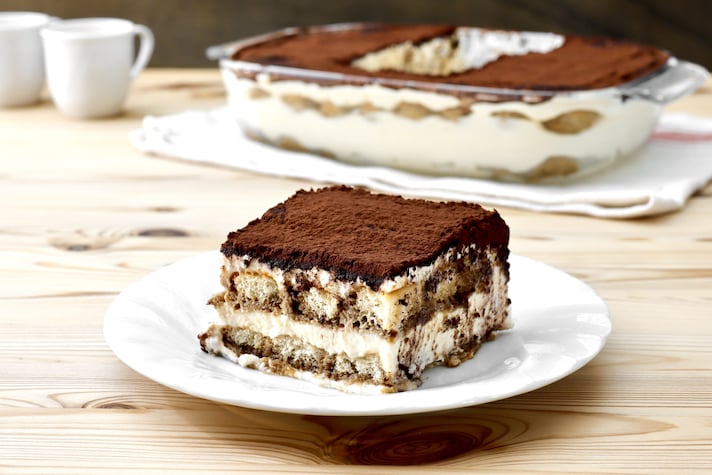
Sweets Vs. Desserts: Differences, Etiquette and Nutrition
To put it succinctly, we could say that all sweets can be desserts, but not all desserts are sweets. The same tart, eaten in the morning, is not a dessert, while it becomes one if brought to the table at the end of the meal. To summarize:
- Sweets are a broad category of preparations that share similar nutritional values and can be consumed at any time of the day.
- Dessert is a specific course served at the end of the meal, which includes other dishes in addition to sweets.
There's no shortage of debate about this. Diet professionals, as etiquette dictates, would recommend cheeses not be included in the dessert category, as their composition is more like a main course, an alternative to meat or fish. Ice cream, on the other hand, doesn't fall into the category of desserts (same goes for sorbet), so much so that as a dessert it tends to replace fruit, and therefore should be served after a cake, or alongside it, but only if it's an accompaniment: it's hard to refuse a slice of chocolate cake with a scoop of vanilla. Even here, however, nutritionally speaking, ice cream is a "finished" dessert, because although it may have fewer calories than a profiteroles, it's a food that's higher in sugar and fat.
;Resize,width=767;)
