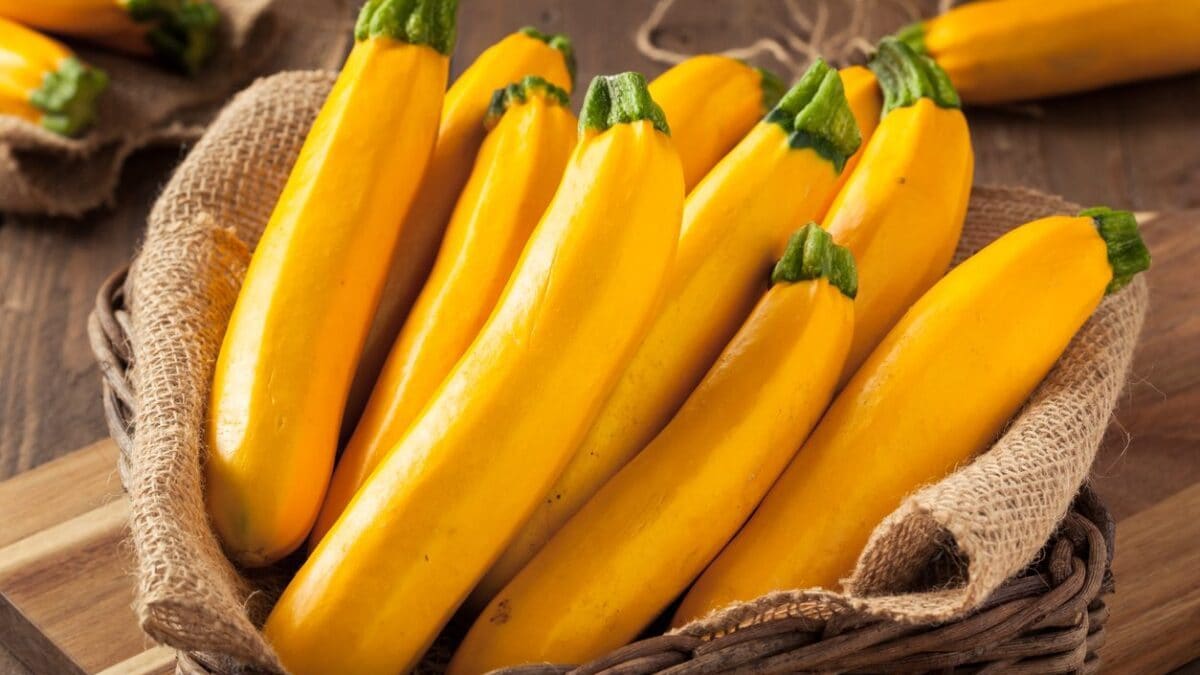
Zucchini is a true symbol of summer. Fresh, thirst-quenching, and low in calories, they can be eaten cooked or raw, adapting to a myriad of tasty and easy-to-prepare recipes, and also offer numerous health benefits. Dark, light, round, elongated, smooth, wrinkled, with or without a flower: there isn't just one type of zucchini; they vary in shape, color, flavor, and texture, making them ideal for a variety of uses. Among the more than 500 varieties of zucchini in the world, we'd like to introduce you to one in particular: yellow zucchini, beautiful to look at and delicious to eat, even though they're not widely available in produce stores and supermarkets. Grown primarily in California, Florida and Georgia in small batches, making them a niche product, yellow zucchini actually originated in Central and South America. The yield is low and their cultivation is laborious (the plant is very bristly and the leaves are prickly), but the vegetable is truly excellent. These zucchini, in fact, have a nutritional profile very similar to the more common green zucchini but a very sweet flavor, very similar to that of pumpkin. Let's discover together all the characteristics and culinary uses of yellow zucchini.
Why Are Yellow Zucchini… Yellow?
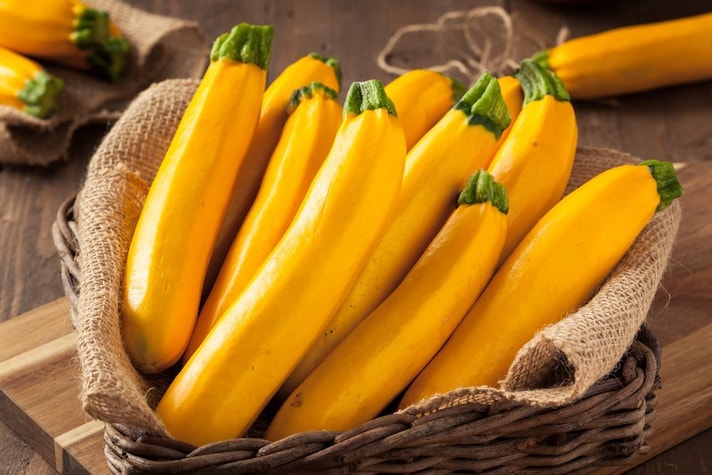
Yellow zucchini is a particular variety of zucchini (Cucurbita pepo), belonging to the same species as the more common green zucchini. Therefore, it is not a different vegetable or a cross with other species, but simply a cultivar selected over time for its aesthetic, agronomic, and organoleptic characteristics. Although still less common on the market than the green varieties, in recent years they have gained growing interest thanks to their vibrant color, delicate flavor, and culinary versatility.
From a botanical point of view, yellow courgettes share virtually all the characteristics of traditional zucchini: they are immature fruits of the plant, harvested when the skin is still tender and the seeds have not fully developed. The plant has large lobed leaves, edible yellow-orange flowers, and grows rapidly during the summer season. The main differences concern the appearance of the vegetable: it can be cylindrical or slightly swollen at the ends, depending on the variety, but in any case, it has a very bright yellow color. This entirely natural color depends on the different composition of pigments present in the surface tissues of the fruit. In green zucchini, the presence of chlorophyll predominates, the pigment responsible for photosynthesis and the typical green color of leaves and many other vegetables. In yellow varieties, however, the amount of chlorophyll that accumulates in the skin is much lower or is progressively masked by the presence of other pigments, carotenoids.
Carotenoids are a large family of natural pigments responsible for the yellow, orange, and red hues of numerous vegetables, such as carrots, squash, yellow peppers, and corn. Among the main carotenoids present in yellow zucchini are lutein and zeaxanthin, molecules that give them their typical golden color and also perform important antioxidant functions. Their presence not only helps color the fruit, but also helps protect its tissues from the effects of excessive exposure to light and oxidative stress.
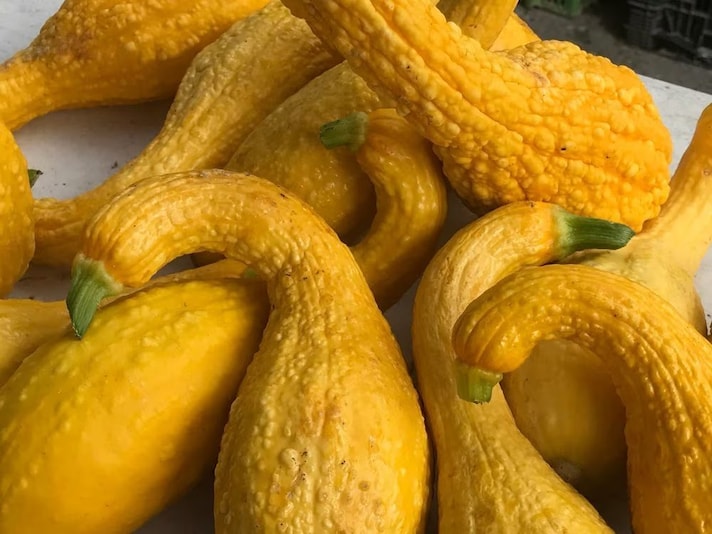
There are several varieties of yellow zucchini, which differ primarily in shape. The most common is the Golden, an elongated zucchini very similar to the green variety but much sweeter in flavor; the distinctive wrinkled yellow zucchini from Friuli, with a flask-shaped neck, rough skin, and firm flesh; and the yellow patisson zucchini, smaller in size, with a rounded, wavy, and flattened shape and a strong flavor reminiscent of artichokes. Abroad, however, among the most popular are the Gold Rush, characterized by cylindrical, deep yellow fruits and abundant, regular production; and the Golden Glory, also with elongated fruits and prized for the quality of its flesh and good productivity.
Yellow Zucchini Vs. Green Zucchini
At first glance, the most obvious difference between yellow and green zucchini is, of course, the color of their skin. In reality, however, even though the two types share many of their botanical and nutritional characteristics, there are other differences between the species, especially some nuances in flavor, texture, and some aspects of their nutritional profile.
Generally speaking, green and yellow zucchini share a nearly identical composition. Both are extremely light vegetables, consisting of over 90% water and characterized by a low calorie content. They are a good source of dietary fiber, vitamin C, potassium, manganese, and folate, nutrients that contribute to the proper functioning of the body and make zucchini an ideal food as part of a balanced diet. The minimal differences arise from the different balance of pigments. Yellow zucchini, in fact, tend to contain higher amounts of carotenoids than green zucchini, which instead is more chlorophyll-rich. These substances perform an important antioxidant action, but it should be noted that the quantities in yellow zucchini, while higher than those of green varieties, are lower than those found in vegetables such as carrots, squash, or yellow peppers.
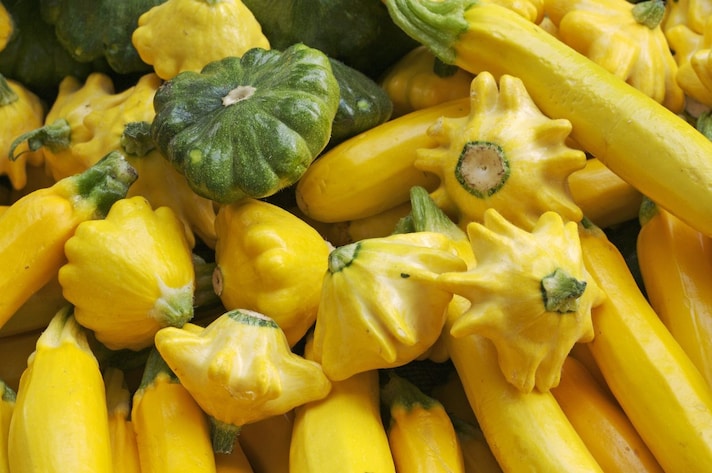
The main difference between green and yellow zucchini is in flavor: the yellow variety is more delicate and sweeter than the green varieties. This perception is due to the different balance of natural sugars, organic acids, and aromatic compounds present in the flesh. Although these differences are rather subtle, the flavor of yellow zucchini tends to be less herbaceous and less intense, a characteristic that makes them particularly appreciated in preparations where a delicate aromatic profile is desired, such as cream soups, risottos, and savory pies. Green zucchini, on the other hand, often has more pronounced vegetal notes and a slightly more robust flavor, especially in some traditional American varieties. The consistency can also vary, although the differences largely depend on the cultivar and the time of harvest. In general, yellow zucchini develop particularly tender, less fibrous flesh that maintains a pleasant softness even after cooking. Green zucchini, especially those harvested at a more advanced stage of ripeness, can be slightly firmer and more consistent.
How to Choose and Store Yellow Zucchini
Choosing good-quality yellow zucchini is the first step to fully appreciating their delicate flavor and tender texture. As with green varieties, it's important to pay attention to some simple indicators of freshness, which allow you to identify recently harvested and properly stored fruits. A fresh yellow zucchini can be recognized first by its skin, which should be smooth, shiny, and uniformly colored, without bruises, cuts, or dark spots. The surface should be firm and taut, while any wrinkled or dull areas may indicate that the fruit has already begun to lose moisture and freshness. The stem is also a good indicator: if it is still green and firmly attached to the fruit, it generally means that the harvest is recent.
Another factor to consider is consistency: the zucchini should be firm to the touch, without any soft or yielding parts. Flesh that's too soft may be a sign of deterioration already underway, while an excessively hard consistency, especially in very large fruits, may indicate advanced ripening, with more developed seeds and less tender flesh. Size also plays a role. Yellow zucchini harvested when still young, generally between 15 and 20 centimeters long, offer the best balance of flavor, texture, and tenderness. Very large fruits tend to have more visible seeds, a more fibrous flesh, and a less delicate flavor. Small or medium-sized yellow zucchini are therefore the most suitable for most preparations, especially when you want to eat them with the skin.
Once purchased, it's best to store them in the refrigerator, in the crisper drawer, where the temperature and humidity are best suited to preserving their freshness. Ideally, they should be stored unwashed, as residual moisture could encourage mold and accelerate spoilage; simply remove any soil just before using. Store zucchini in a paper bag or a perforated container or bag that allows for good air circulation while limiting moisture loss. Under these conditions, they can stay fresh for about a week, although eating them within four or five days of harvesting or purchasing allows you to best appreciate their texture, aroma, and nutritional value. Remember to avoid placing them near fruits such as apples, pears, bananas, or very ripe tomatoes, as these produce ethylene gas, which accelerates the ripening process and can reduce the zucchini's shelf life. If you want to preserve yellow zucchini for a longer period, you can freeze them. Simply wash them, slice them into rounds or cubes, blanch them lightly to preserve their color, texture, and nutritional value, then dry them and place them in special freezer bags. Once frozen, they will last, intact, for several months.
How to Cook Yellow Zucchini
Flavor-wise, yellow courgettes are sweeter and more delicate than green varieties, although differences can vary based on the cultivar, degree of ripeness, and growing conditions. The flesh is tender, not very fibrous, and maintains a pleasant consistency even after cooking, a characteristic that makes them particularly popular in preparations such as risottos, soups, and creamy sauces. One of the best ways to cook them is with brief, gentle cooking, which allows for the preservation of the flesh's consistency and the brightness of the skin: for example, they are excellent quickly sautéed in a pan with extra virgin olive oil, garlic or shallots, and a pinch of aromatic herbs such as thyme, basil, or marjoram. Excessively prolonged cooking, however, tends to make them very soft and cause them to lose some of their vibrant color.
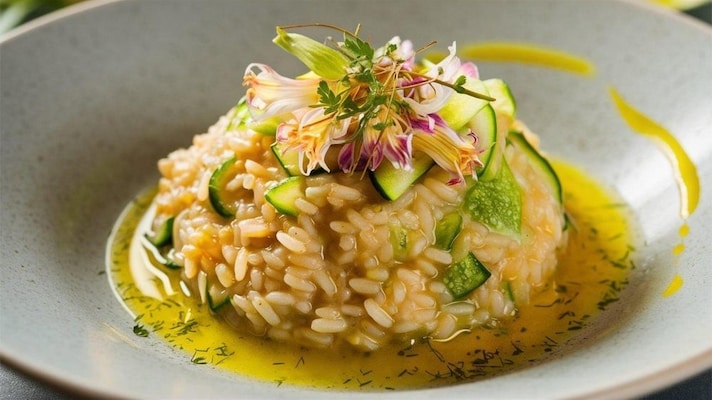
Yellow zucchini are a perfect addition to pasta dishes. In risotto, they gradually release their sweetness, creating a pleasant balance with ingredients like saffron, lemon, prawns, smoked salmon, or fresh cheeses. In pasta, they can be used either as a simple condiment, sautéed with oil and basil, or as a base for creamy soups, blended with Parmesan, Pecorino Romano, or Robiola. What's more, their bright color also gives the dish a very attractive and visually striking appearance. Thanks to their soft flesh, they are also particularly suitable for making sauces and cream soups: for example, blended after a brief cooking time with potatoes, onion, or leeks, they create soups with a delicate flavor and a light, bright color.
The delicate flavor of yellow zucchini also pairs perfectly with eggs: they are excellent in frittatas, omelets, quiches, and savory pies, where they also pair well with other ingredients such as ricotta, mozzarella, goat cheese, feta, or other fresh cheeses. The texture and flavor of these zucchini also make them ideal for baked dishes, such as flans, gratins, crumbles, and vegetable parmigiana. Beyond these preparations, where they are at their best, however, yellow zucchini are still zucchini, and even if they are a little sweeter, you can easily use them in the same recipes as green zucchini.
;Resize,width=767;)
