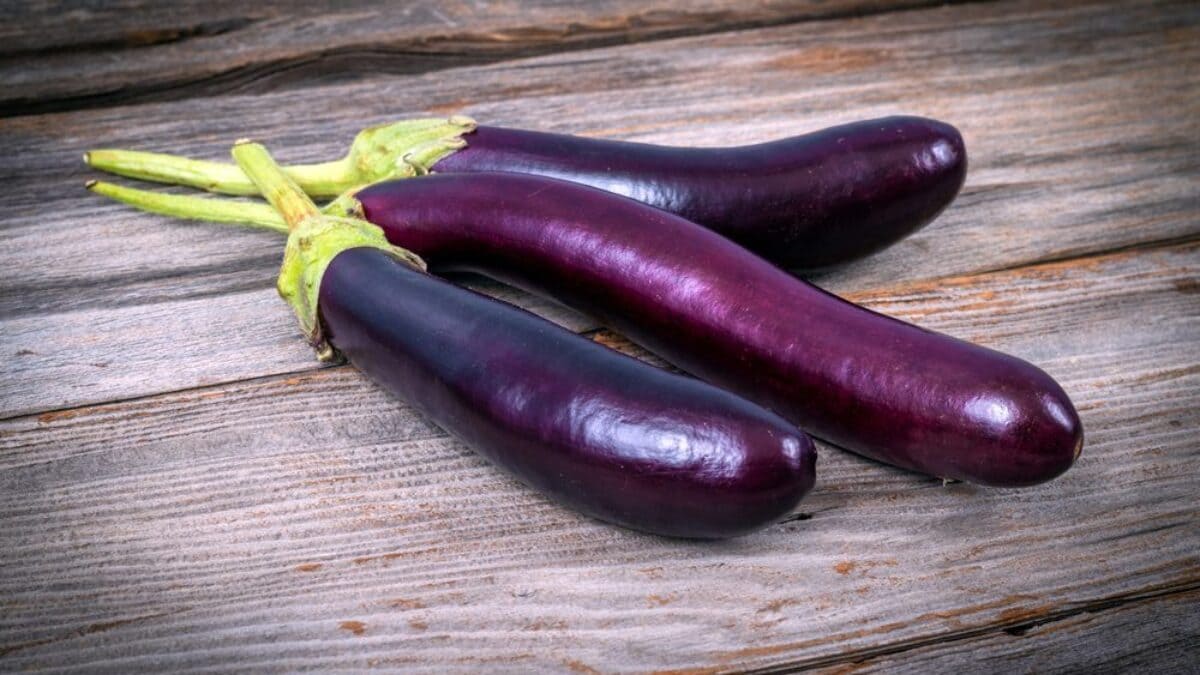
Among the most common eggplant varieties, the elongated ones are also among the easiest to recognize. They have a tapered shape, generally dark, shiny skin, and firm flesh, characteristics that make them particularly easy to cut and suitable for many different preparations. They can be fried, grilled, baked, or pan-fried, but also used to season pasta, make rolls, meatballs, and side dishes.
Compared to round eggplants, elongated eggplants allow you to easily cut even lengthwise slices or smaller rounds. The flesh absorbs sauces well, but can also retain a lot of oil if fried carelessly. The flavor varies slightly depending on the variety and degree of ripeness: in young specimens, it is generally delicate, while in overly large or late-harvested eggplants, it can become more bitter and contain more seeds.
But what are the distinguishing characteristics of elongated eggplants, how do you choose the freshest ones, and what are the best preparation methods? Here's everything you need to know.
What Do Long Eggplants Look Like?
Long eggplants belong to the Solanum melongena species and include several varieties sharing a narrow, elongated shape. They can be straight or slightly curved, thinner or quite rounded at the bottom, with length varying depending on the cultivar and harvest time.
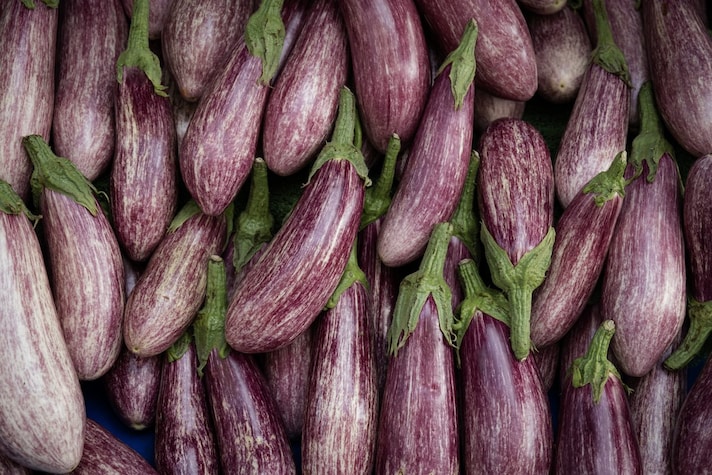
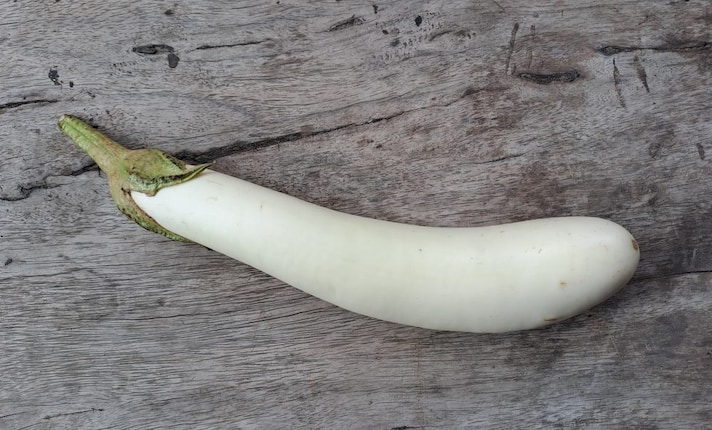
The skin is generally smooth and shiny: the most common color is very dark purple, almost black, but there are also elongated eggplants that are light purple, striped, white, or tending toward lilac. The calyx, the green part surrounding the fruit's base, should appear fresh, well-fitting, and free of dry or blackened areas.
Inside, the flesh is pale and spongy, with a texture that easily absorbs oil, sauces, and other condiments. In well-seasoned specimens, the seeds are small, tender, and barely noticeable; they darken and become firmer when the fruit is overripe. The peel is edible and doesn't necessarily need to be removed: in addition to adding flavor, it helps the slices retain their shape during cooking, especially on the grill, in the pan, or in the oven.
The Most Widespread Varieties
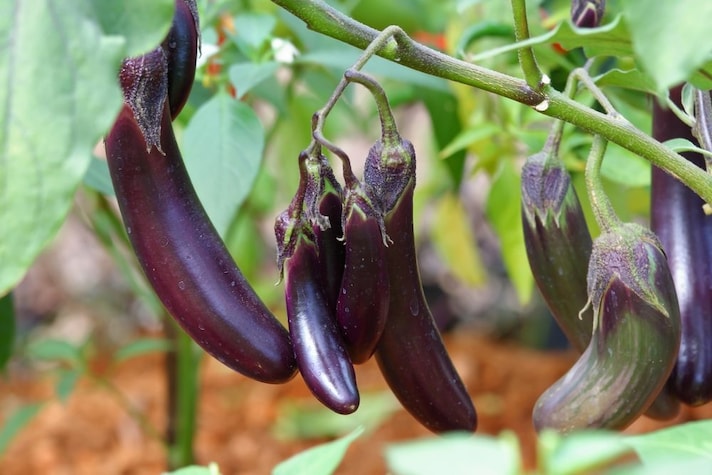
The term "long eggplant" doesn't refer to a single variety, but rather a rather broad group of cultivars. One of the most common is the long black eggplant, characterized by very dark skin, a tapered shape, and firm flesh. It is particularly versatile and can be used in virtually any recipe.
The long violet, on the other hand, has a lighter, brighter color, ranging from deep purple to lilac. The flesh is generally tender and the flavor is delicate, especially when harvested young.
In the U.S., there are long eggplant varieties linked to regional cultivation and popular in home gardens and local markets, such as the classic Japanese eggplant, the deep purple Italian long eggplant, and the lighter-colored Sicilian-style eggplant grown in California and the Southeast. These varieties differ in length, skin color, seed density, and flesh texture, but they all share an elongated shape that makes them easy to slice and ideal for quick sautéing, grilling, or roasting.
Then there are Asian eggplants that are very long and thin, often light purple: they have soft flesh, a thin skin and a small number of seeds, which is why they are mainly used in pan-fried, wok-fried or stewed dishes.
What do Long Eggplants Taste Like?
Long eggplants have a delicate, vegetal flavor, with a possible bitter note that depends on the variety, ripeness, and growing conditions. Young, firm, and moderately sized specimens are generally less bitter and have a more uniform flesh, with seeds that are still underdeveloped.
During cooking, the pulp softens and acquires an almost creamy consistency, while maintaining a good structure thanks to the peel. Their subtle flavor allows them to be paired with both fresh ingredients, such as tomatoes, basil, and soft cheeses, as well as more bold flavors, including olives, capers, anchovies, pecorino, and spices.
Their ability to absorb seasonings is one of their main strengths, but it also requires some care. If immersed directly in a lot of oil, they can retain a considerable amount; to limit absorption, it's helpful to choose the right temperatures, avoid cooking them too slowly, and dry the slices thoroughly before frying.
Do You Have to Salt Them?
Salting eggplants before cooking is a traditional process that helps them lose some of their moisture and tone down any bitterness. Today, this isn't always necessary, as many varieties are bred to have sweeter, less bitter flesh than in the past.
This step can still be useful when the eggplants are very large, have numerous seeds, or are to be fried: in the latter case, removing some of the moisture can help obtain drier slices and better cooking results. After cutting them, simply place them in a colander, sprinkle them with a little salt, and let them rest; before cooking, they should be rinsed, if necessary, and dried thoroughly.
For young aubergines intended for grilling, baking or quick pan-frying, this treatment can be avoided, especially if the flesh appears light, firm and with few seeds.
How to Use Them in The Kitchen
Their elongated shape makes these eggplants particularly versatile. Sliced lengthwise, they yield even slices suitable for grilling, rolls, and layering. Cut into rounds or cubes, they can be pan-fried, added to sauces, or used to season pasta, rice, and grains.
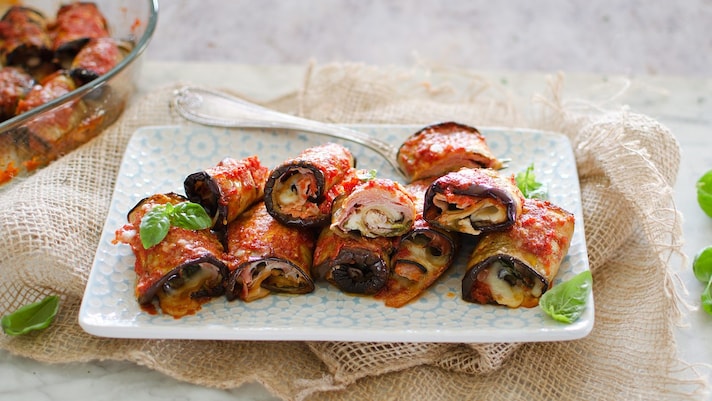
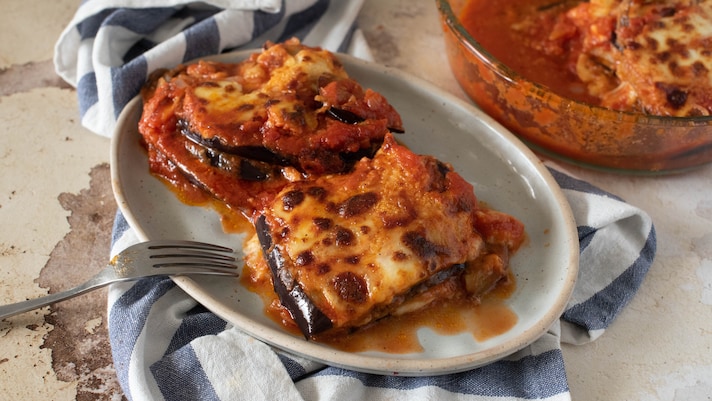
The pulp pairs beautifully with tomatoes, extra virgin olive oil, and aromatic herbs, as well as with fresh or aged cheeses. Long eggplants can be used to prepare parmigiana, caponata, baked pasta, savory pies, and side dishes, or blended after cooking to create creams and sauces.
They are also suitable for frying, whether sliced or cut into sticks or cubes: in this case, it is important to use very hot oil and cook a few at a time, so as to avoid a drop in temperature and limit the absorption of fat. When cooked whole or halved, the pulp can be scooped out and used to prepare fillings, meatballs, or creams. The peel, on the other hand, can become a container for stuffing with bread, tomatoes, meat, cheese, rice, or other vegetables.
Why They Are Suitable for Rolls and Parmigiana
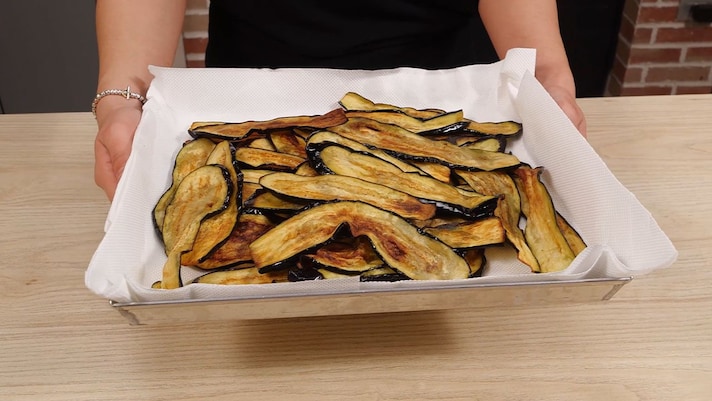
One of the advantages of long eggplants is that they can be sliced into narrow, even slices, particularly convenient for roulades and layered dishes. Cutting them lengthwise creates portions that can be grilled, fried, or baked without breaking easily.
To make rolls, the slices can be filled with ricotta, mozzarella, ham, vegetables, or seasoned bread and then rolled up: the skin helps maintain the structure, while the flesh softens and envelops the filling. In parmigiana, they allow for neat, not overly thick layers: they can be fried as traditionally, grilled, or baked for a lighter version. However, it's important to avoid overly thin slices, which could dry out or break during assembly.
How to Choose Them at The Market
When purchasing fresh, elongated eggplants, it's helpful to evaluate their appearance, texture, and size. An irregular or slightly curved shape isn't a defect: what's most important is that the fruit is firm and free of soft tissue.
- The skin should be tight and shiny: a dull, wrinkled surface or marked by sagging areas generally indicates that the aubergine has begun to lose its freshness.
- The calyx should appear green and well-adherent: dry, blackened leaves or leaves too detached from the fruit may be a sign of an older harvest.
- The fruit should be firm but not too hard: with light pressure, the pulp should give way slightly and quickly return to its original position.
- Moderate size is often preferable: very large eggplants may contain more seeds, have spongier flesh, and develop a more bitter flavor.
- The weight must be proportionate to its size: an unusually light specimen may have lost water and have less compact flesh.
Small superficial marks don't necessarily compromise quality, but it's best to avoid eggplants with deep cuts, mold, or large bruises.
How to Store Them
Long eggplants are quite delicate and are sensitive to both heat and excessively low temperatures: after purchasing them, it is therefore best to consume them quickly, when the skin is still taut and the flesh retains a good consistency.
They can be stored unwashed in the vegetable drawer of the refrigerator, provided they are not placed in completely sealed bags. It is important not to crush them under heavy foods, as bruising promotes the deterioration of the pulp.
Once cut, they tend to darken due to oxidation: the remaining part can be protected and stored in the refrigerator, but should be used as soon as possible. A few drops of lemon juice can slow the browning of the surface, although it may slightly alter the flavor.
Raw eggplants aren't particularly suitable for freezing because they lose their firmness after thawing. It's best to cook them first, for example by grilling, frying, or baking, and then freeze them in portions.
;Resize,width=767;)
