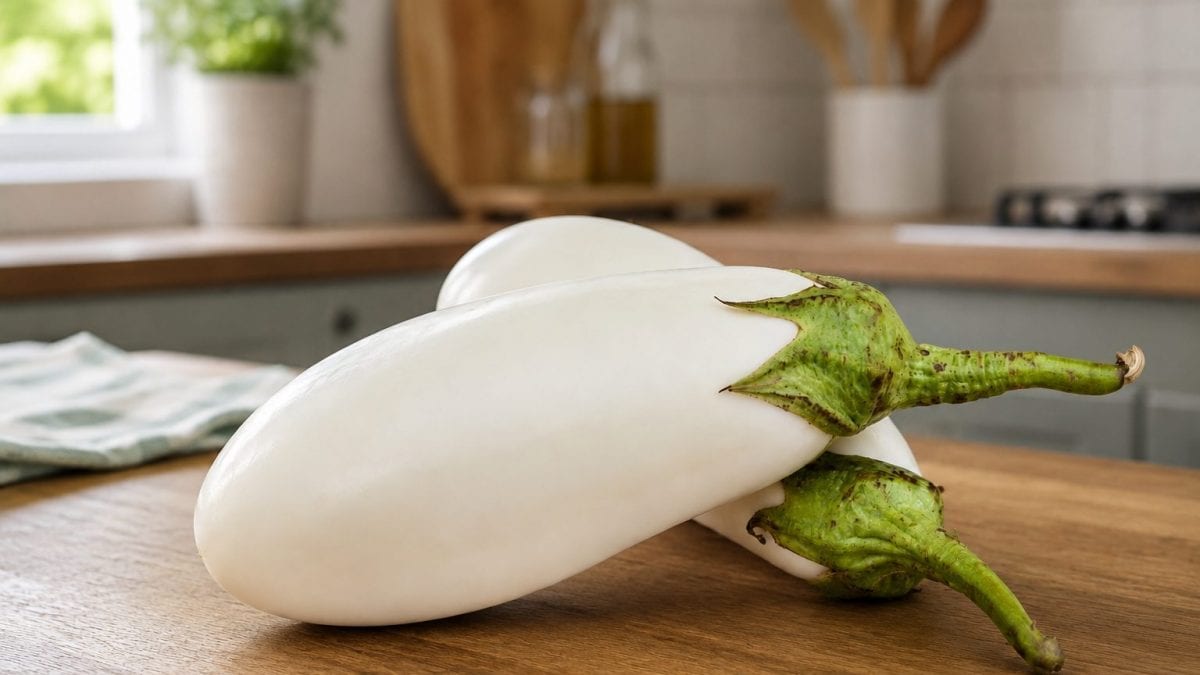
Among the many eggplant varieties that populate gardens and markets during the summer, there's one that doesn't go unnoticed: the white eggplant. With its ivory-colored skin and elegant appearance, it almost seems like an unusual version of a vegetable everyone knows well. Yet the differences aren't limited to aesthetics: compared to the more common purple or black eggplants, the white variety stands out for its more delicate flavor, firm flesh, and less bitterness. These characteristics make it particularly popular in the kitchen and allow it to be used in a variety of preparations, from summer barbecues to spreads. But what are its peculiarities? And in which recipes does it give its best? Here's everything you need to know about the white eggplant and how to best use it.
White Eggplant's Characteristics
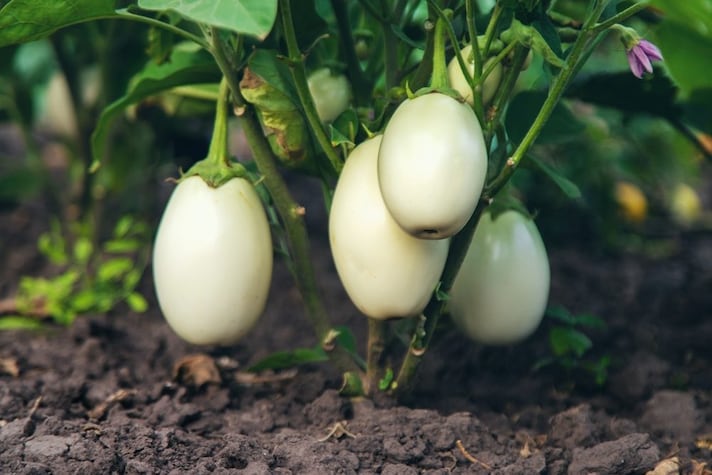
The white eggplant belongs to the same species as the more common purple and black varieties, Solanum melongena, but has characteristics that make it easily recognizable. The most obvious feature is, of course, the color of its skin, which can vary from pure white to shades of ivory or cream. It generally has an oval or slightly rounded shape, with dimensions similar to those of traditional eggplants; the skin is thin and smooth, while the flesh appears light, firm, and not very fibrous. This very consistency is one of the aspects most appreciated by fans of this variety.
The flavor also has its own distinct personality: while purple eggplants can have a more or less pronounced bitter note, white eggplants tend to be more delicate and slightly sweet. This characteristic makes them versatile and particularly suitable for preparations that want to enhance the vegetable's natural flavor.
White Eggplant Vs. Purple or Black Eggplant
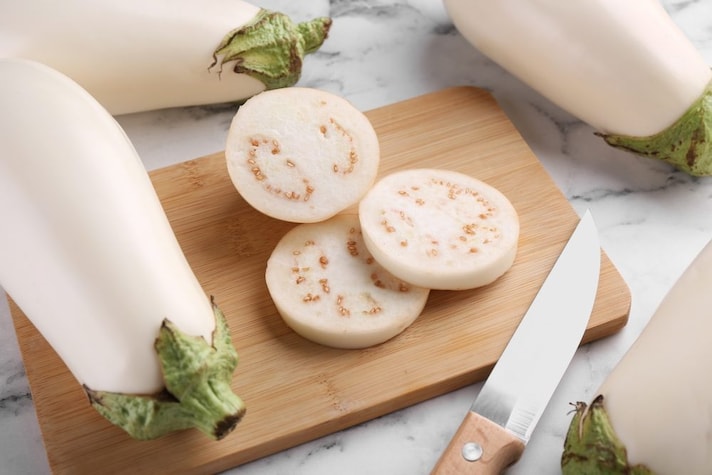
At first glance, it's the color that catches the eye: the white eggplant abandons the typical dark purple hues for a pale skin that can range from ivory to cream. The differences, however, continue even once cut. The flesh is generally firmer and less seeded than many traditional varieties: this translates into a more uniform texture and a more delicate flavor, with much less pronounced bitter notes. It's no coincidence that those who find traditional eggplants too intense often particularly appreciate this variety.
Even when cooked, its behavior changes slightly: the flesh tends to hold its shape well and absorb less oil during frying, while the flavor remains fairly balanced and never overpowering. For this reason, white eggplant is often chosen for dishes where the vegetable's flavor is enhanced without overpowering it with overly strong seasonings.
Is White Eggplant Healthier than Purple Eggplant?
From a nutritional point of view, there are no substantial differences between white aubergines and purple eggplants: both are composed largely of water, provide few calories and are a good source of fibers, characteristics that make them suitable for a balanced diet.
The main distinction concerns the pigments present in the peel: the purple and black varieties contain anthocyanins, substances responsible for the dark color and known for their antioxidant action; the white eggplant, on the other hand, is naturally devoid of them, but still provides vitamins, minerals, and other beneficial compounds. In practice, it cannot be said that one is better than the other from a nutritional standpoint: the choice depends mainly on personal taste, availability, and the type of preparation you want to make.
How to Use White Eggplant in Cooking
Thanks to its delicate flavor and firm texture, white eggplant can be used in most recipes that call for traditional varieties. However, some recipes really showcase its characteristics.
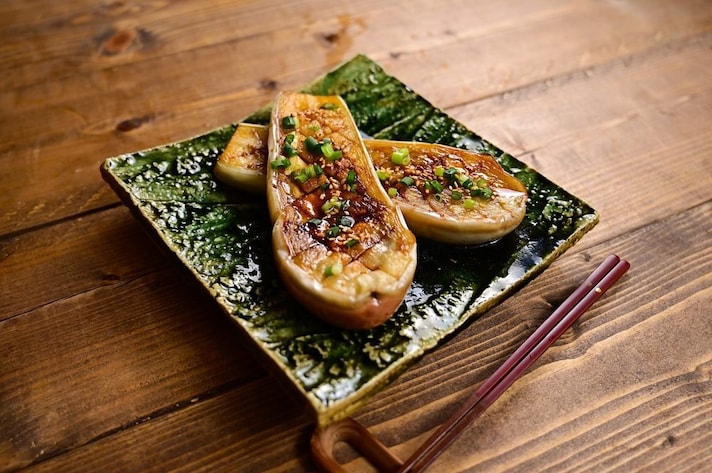
- Baked. Baking is one of the simplest and most effective ways to enjoy this variety: sliced or diced, it maintains a pleasant texture and develops a delicate flavor that pairs well with aromatic herbs, cheeses, and breadcrumbs; it can be used to prepare side dishes, mixed vegetable platters, or light gratins in which the vegetable's flavor takes center stage.
- Grilled. White eggplant also offers excellent results on the grill: the slices maintain a good structure during cooking and acquire the typical aromatic notes of the grill without losing their tenderness. Once cooked, it can be simply seasoned with extra virgin olive oil, mint, parsley, or other aromatic herbs, creating a simple but very tasty summer side dish.
- Fried. Frying is probably one of the preparations that best showcases the qualities of white eggplant: the firm flesh tends to absorb less oil than more porous varieties, contributing to a lighter result.
- In creams and soups. Its natural sweetness makes it ideal for creams, soups, and spreads. Once cooked, the pulp becomes soft and easy to work with, allowing for velvety textures without the need for numerous additional ingredients: it's also an interesting solution for those who want to create delicately flavored vegetable condiments.
- For babaganoush and dips. White eggplant is particularly suitable for making babaganoush, the traditional eggplant spread popular in several Middle Eastern countries. Its delicate flavor allows for a balanced sauce that pairs perfectly with tahini, lemon, and spices. The same goes for sauces, savory mousses, and accompanying creams, where the reduced bitterness contributes to a harmonious and pleasant result.
Does It Need to Be Salted?
One of the most frequently asked questions concerns the need to purge the eggplants in salt before cooking: in most cases, the answer is no. Thanks to their generally fewer seeds and naturally milder flavor, white eggplants tend to be less bitter than many traditional varieties and don't necessarily require this step.
Purging can however be useful when you want to eliminate some of the water contained in the pulp, especially in fried preparations, or if you are using particularly ripe specimens.
How to Choose and Store White Eggplants
Choosing fresh, high-quality white aubergines is important to fully appreciate their delicate flavor and firm texture. A few simple tips will help you recognize the best fruits and store them correctly after purchase.
When purchasing, it's best to choose aubergines with smooth, shiny, and even skin, free of bruises, cuts, or obvious blemishes. The stem should also be green, firm, and fresh-looking, a sign of a relatively recent harvest. The flesh, which can be checked by applying light pressure with your fingers, should be firm and elastic, with no soft or overly yielding areas.
As with other eggplant varieties, it's best to avoid shriveled, overripe, or clearly deteriorating specimens. Another useful indicator is weight: a fresh eggplant should appear heavy for its size, a characteristic that suggests a good amount of water and firm flesh.
After purchase, white eggplants can be stored in the refrigerator's crisper drawer, preferably inside a paper bag or left uncovered to allow air circulation. In these conditions, they generally keep for a few days. To best preserve their flavor, texture, and organoleptic qualities, it's best to consume them within a week of purchase.
;Resize,width=767;)
