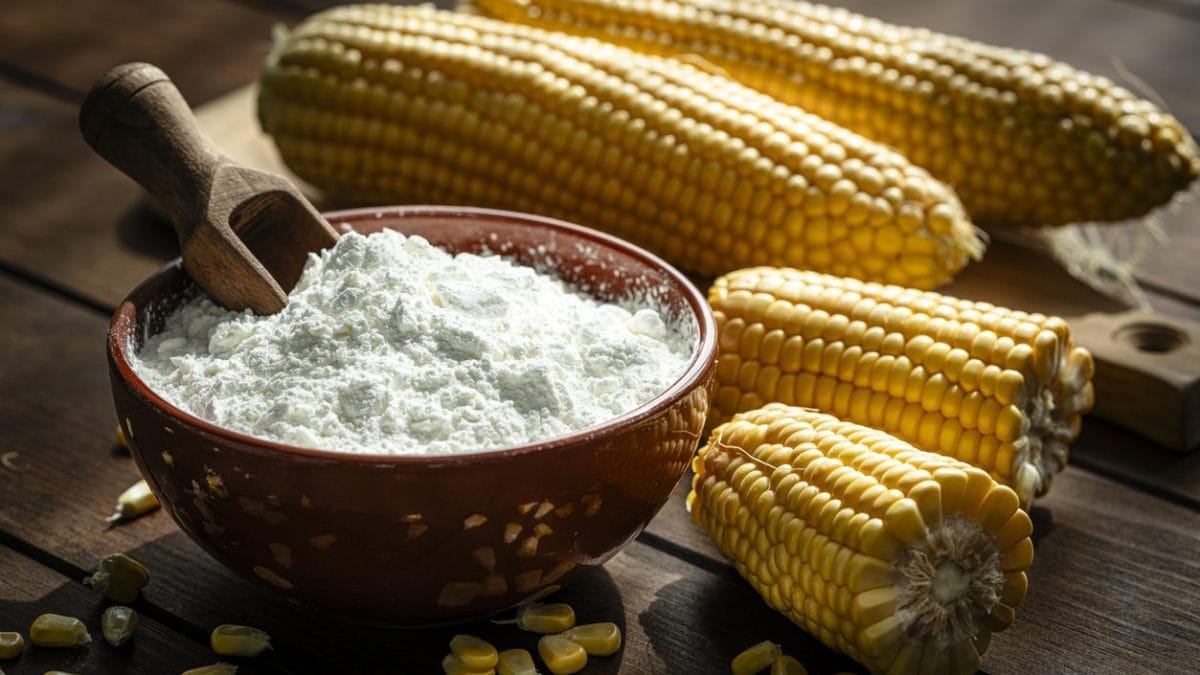
If we dug through your kitchen cupboard, we'd probably find it there, at the back of the cabinet, used just once and then forgotten forever: what are we talking about? Cornstarch, that light, odorless white powder used primarily as a thickener. Ideal for making soups and puddings, you might be surprised to know that it can also be used in other ways: let's find out together.
A Brief History of Cornstarch
Cornstarch comes from the Zea Mays plant, commonly known as maize. More precisely, it is obtained from the endosperm of corn, the innermost part of the kernel. The corn is left to ferment for 30 to 48 hours to facilitate the separation of the germ from the endosperm. It is then wet-milled and finally dried, resulting in this very fine, white powder. It is completely gluten-free, which is why it is often used in combination with other gluten-free flours (such as rice or quinoa).
How to Use Cornstarch in The Kitchen
Starch's ability to thicken is certainly well known, a property that has made it so popular and, above all, an excellent ally in the preparation of sauces, puddings, soups, creams, and broths. But what type of reaction occurs to make this happen? Simply put, the molecular chains it is composed of cause the liquid to thicken, thus promoting the gelatinization process. Gelatinization occurs when starch molecules absorb water and swell, at a certain temperature (around 149-185°F/65–85°C), creating a viscous network.
One of its most important characteristics is that it is completely flavorless, unlike flour, making it perfect for any recipe. However, one of the biggest concerns, being a powder, could be the formation of lumps. As always, we have a tip to avoid this: simply dissolve it in a liquid before using it, and you'll see how every recipe you make will have an incredibly smooth and silky consistency.
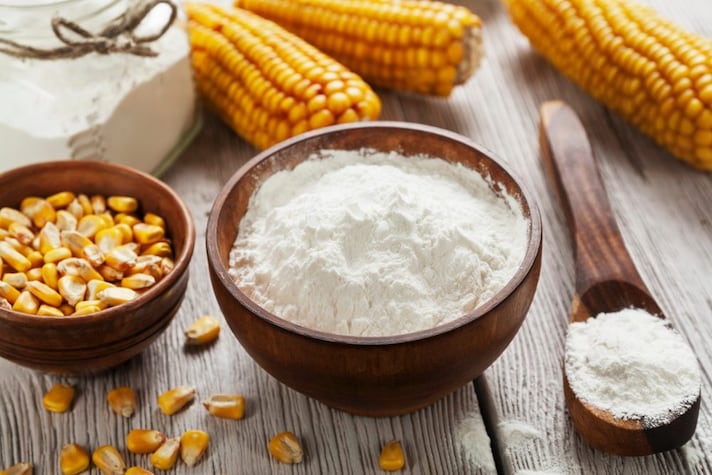
As the title suggests, cornstarch isn't just for thickening soups. Another use is in batters to make them sweeter and fluffier: just adding a small amount to the batter will produce a lighter, crumbly result.
Another tip concerns frying: did you know that cornstarch can give you incredibly crispy fried foods? Yes, that's right: add a little starch to the flour to give breading and batter a wonderful crunch.
Cornstarch Vs. Potato Starch Vs. Corn Flour
As mentioned above, cornstarch is also used in desserts. However, if you want an even softer product, your best bet is potato starch, which is even more delicate and light. Although potato starch also has a thickening effect, the two ingredients aren't always interchangeable. This is because, due to their different origins —one comes from corn, the other from potatoes—starch tends to give dough a stickier consistency. This is why it's not recommended for making sauces like béchamel (in the gluten-free version with cornstarch) or custard, but it's ideal for making, for example, potato rösti.
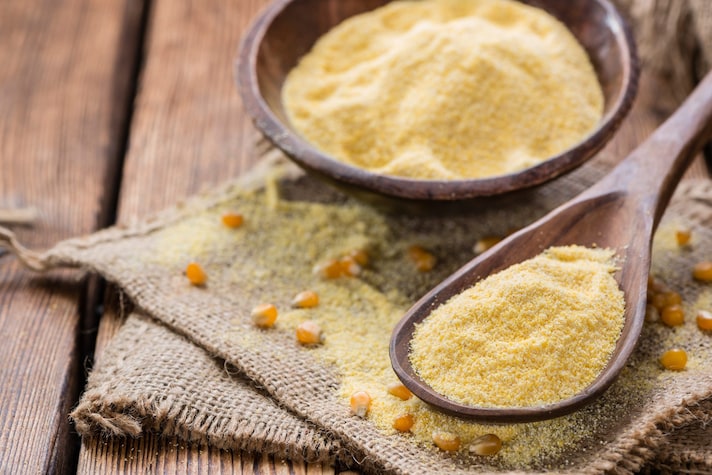
Another point to note is not to confuse cornstarch with corn flour: the latter is made by dry-grinding the entire kernel, not just the inner shoots. But the difference between the two is immediately noticeable even visually: while cornstarch is fine and white, flour is yellow and coarser. The latter is also the main ingredient in the much-loved polenta and is also used in delicious recipes like corn dogs and delicious rustic corn flour biscuits.
;Resize,width=767;)
