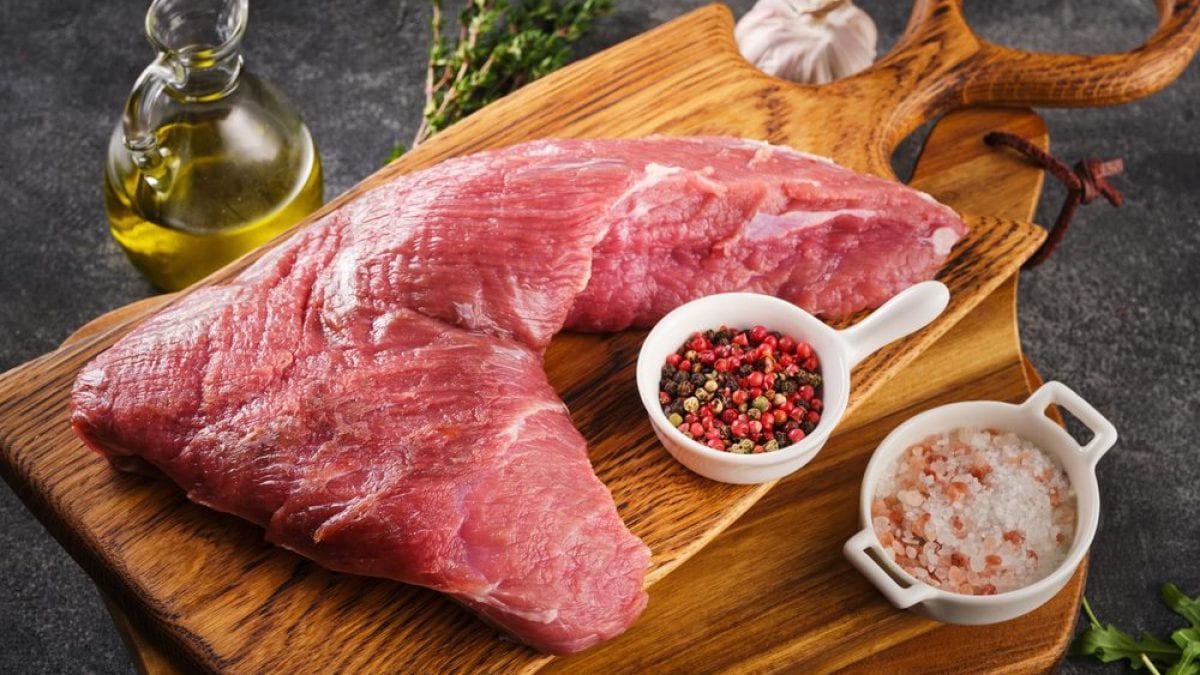
The tri-tip in question is a cut of beef easily recognizable by its triangular shape and used primarily in tasty recipes that call for it stuffed in a variety of ways. Known by various names (one above all "pocket"), it is a cut of beef that is enhanced by slow cooking in a stew, yet it is also highly appreciated on the grill, because despite being lean, it is flavorful and maintains a good level of tenderness. Let's see what its peculiarities are and how to use it in the kitchen.
Tri-Tip Meat's Characteristics
We are talking about a cut of beef (from veal to beef, including heifer) defined as second choice, together with, for example, the rump, the rib, and the blade chuck roast, probably better known and also easier to find in the butcher's shop than the tri-tip. Its shape is triangular, small in size – an adult specimen weighs on average between 1 and 2 kg – and it is obtained from the hindquarter of the animal, specifically from that portion of the thigh that is found between the rump and the nut. It is a lean meat, with a compact and uniform pulp, which cooks evenly: it has the advantage of also being quite tender and tasty, as well as relatively inexpensive.
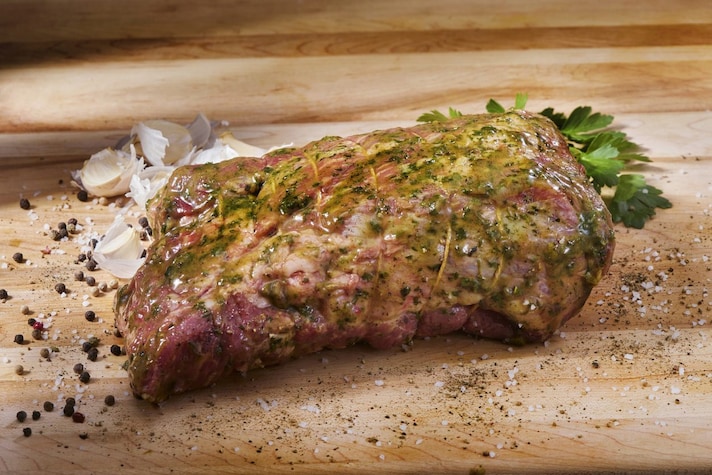
In the United States, tri-tip is also known by different names depending on the region and butcher tradition. The most common name is simply tri-tip roast or tri-tip steak, referring to its distinctive triangular shape and location at the bottom sirloin. In some areas, especially on the West Coast, it is also called Santa Maria steak because of its strong connection to California’s Santa Maria barbecue tradition. Less commonly, it may be referred to as triangle roast or bottom sirloin triangle, names that highlight the cut’s shape and anatomical origin. When it comes to the parrilla, the grill in Argentina, then tri-tip becomes colita de cuadril, characterized by an external covering of fat (which in the U.S. is generally removed) useful to protect the inside from direct heat when placed on the grill.
How to Use Tri-Tip in The Kitchen
To best showcase tri-tip, one of the most traditional techniques is to stuff it. It is no coincidence, in fact, that among its most popular names is pocket: simply make a lateral incision to create a perfect space to accommodate the most diverse fillings, which can be made with cheeses (such as provola, scamorza and fontina, which melt easily), vegetables (such as spinach), breadcrumbs, aromatic herbs, but also minced meat, pancetta, lard. An alternative is to open it like a book, to create stuffed rolls. This preparation lends itself to being cooked over a low flame, so as to enhance its softness: space is given to stewing (with wine, broth or tomato sauce) which make the meat succulent and help to blend the flavors of all the ingredients. From this point of view, it can be left whole and braised or stewed, or reduced to bite-sized pieces in a stew- style. Stuffed tri-tip is also an excellent roast to be made in the oven, preceded by a quick browning in a pan, perhaps accompanied by vegetables such as carrots, celery, onion and deglazed with wine, so as to serve it with its cooking juices as a sauce.
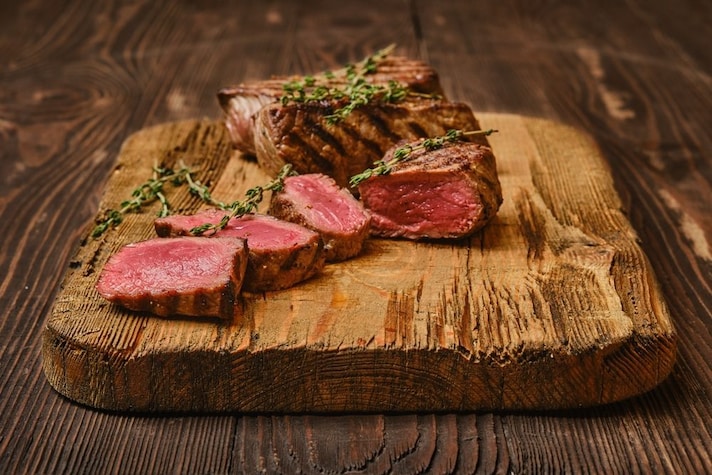
Some people prefer to grill this cut: barbecue enthusiasts know it as trip tip, or "triangular tip," lightly smoked and previously marinated and/or rubbed with a blend of herbs and spices. Cooking is much quicker, often left medium rare, but still below 150°F/65°C, resulting in tender, vibrant pink meat when sliced. This cut can also be used to make strips, cut against the grain and thinned with a meat tenderizer. It simply needs to be seared in a pan or on a grill, and then seasoned with a drizzle of oil and a little salt and pepper.

