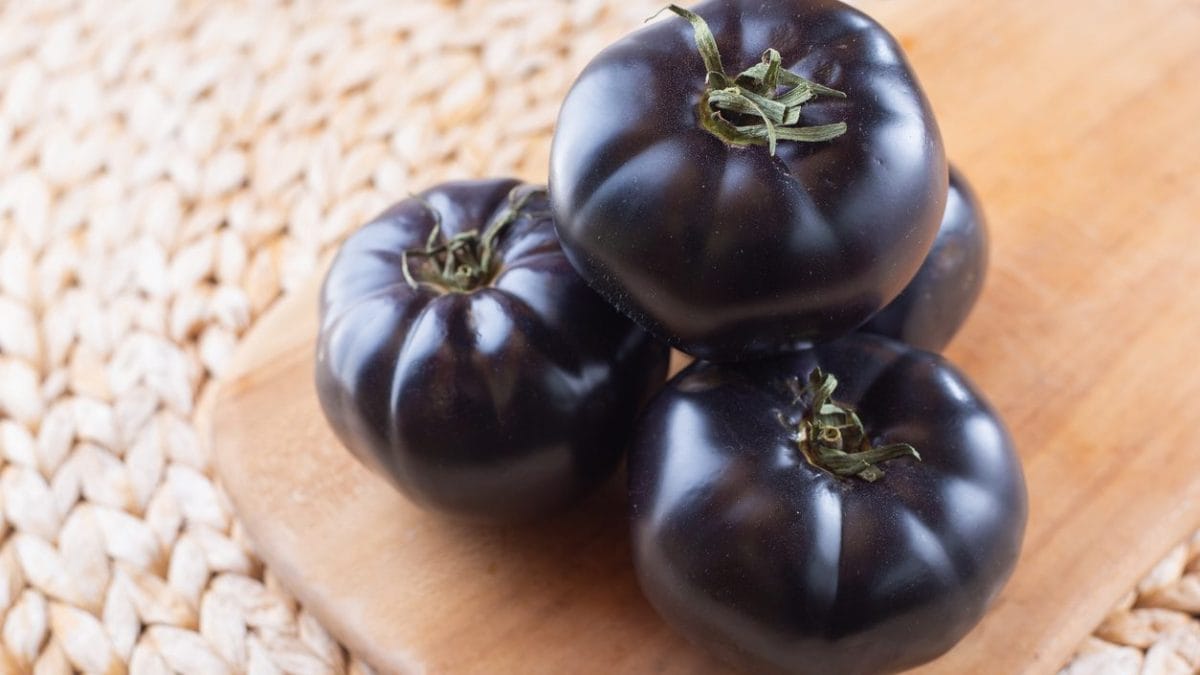
Tomatoes are among the most loved, consumed, and cultivated fruits in the world, a key player in Mediterranean cuisine, becoming undisputed symbols and a favorite in the cuisine of countless cultures. Tomatoes are delicious, healthy, and extremely versatile because they come in so many varieties: the most famous are red, but there are also green, yellow, and even black ones. Black tomatoes are widespread in the U.S., but they are still considered more of a specialty or heirloom; we are confident, however, that they will soon conquer our grocery stores as well. These are not genetically modified products, but true hybrids created by combining multiple species to obtain a much higher level of benefits than traditional tomatoes. The properties of black tomatoes are truly unique and are due to the same substances that make their skin black, powerful antioxidants that benefit the body in multiple ways.
It's no coincidence that they were created by combining traditional tomato seeds with the seeds of dark-skinned fruits like blueberries and grapes. Thanks to the substances they contain (lycopene and anthocyanins in particular), these fruits can fight various diseases and protect our bodies from aging and oxidative stress. In addition to their wealth of beneficial substances, black tomatoes are characterized by a much bolder and more intense flavor than red tomatoes, with a reduced sweetness that gives way to a more acidic taste. In the kitchen, they are as versatile as traditional tomatoes and can be used in exactly the same variety of recipes.
Black Tomatoes' Characteristics and Benefits
Black tomatoes are a food with immense potential for supporting our health. We've already mentioned it, but it bears repeating: they are not GMO (genetically modified) organisms, but rather hybrids obtained through breeding programs, which involve selecting and crossing traditional tomato seeds with those of dark-skinned fruits, such as grapes and blueberries. Black tomatoes, therefore, grow naturally like any other tomato but have an even more concentrated nutritional profile.
In particular, due to their very nature, they contain a huge amount of anthocyanins, a class of water-soluble pigments belonging to the flavonoid family, responsible for the dark, blue or purple color of many fruits. How does this translate into benefits for the body? Black tomatoes, in essence, have the same effect as purple-skinned fruits or vegetables and perform a powerful antioxidant function on our body. Specifically, lycopene counteracts the activity of free radicals, unstable molecules that damage the DNA of cells and, especially in the presence of additional stressors such as smoking and pollution, can cause the development of tumors. Precisely for this reason, the consumption of black tomatoes has been associated with a reduced risk of cancer, hypertension, coronary heart disease, some forms of asthma, and even a protective effect on the bones of menopausal women.
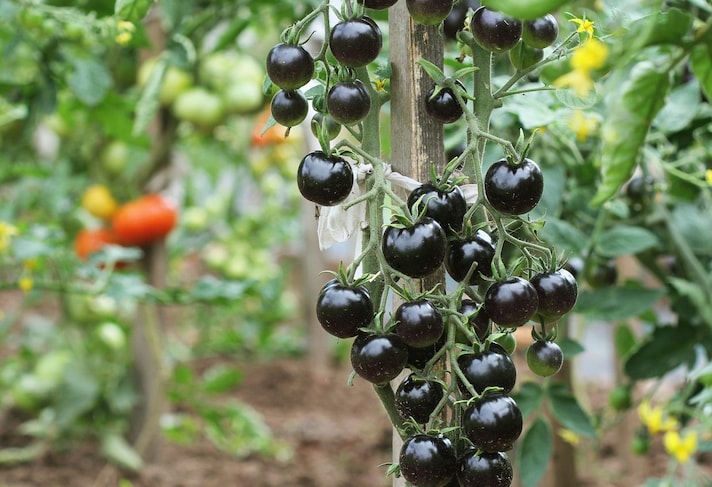
Anthocyanins also neutralize free radicals and oxidizing molecules produced by cellular metabolism, exerting a series of beneficial and protective effects on the health of cells, tissues, and the entire organism. They also protect the heart and help prevent cardiovascular disease. They also have an anti-inflammatory effect, stimulating the immune system's response against pathogenic bacteria and reducing the main manifestations of inflammation.
Completing the rich nutritional profile of tomatoes are a good presence of vitamin C, another powerful antioxidant that helps strengthen the immune system, protect the skin from damage caused by UV rays and produce collagen, vitamin K, essential for blood clotting and bone health, and a good component of fiber, which helps promote digestive health and keep you feeling full for longer.
Black Tomato Varieties
The black tomato category encompasses several varieties of this species: many and varied hybridizations have been performed to obtain these fruits, resulting in different types of black tomatoes. For this very reason, not all fruits are perfectly black: some are red with only dark streaks, others are very dark on the outside but pale on the inside, and still others have a very concentrated dark color even in the liquid part with the seeds. Furthermore, not all black tomatoes are the same nutritionally: only some contain anthocyanins; these should not be confused with other tomato cultivars, whose names only emphasize their dark exterior, without containing all the beneficial properties of antioxidants.
1. Sun Black
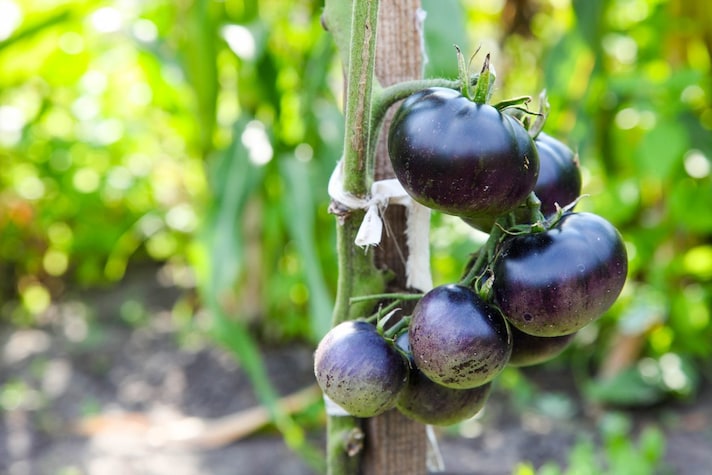
One of the best-known varieties of black tomato is the Sun Black, an all-Italian product. It was created in 2009 thanks to a research project developed by a consortium of universities, including the Sant'Anna School of Advanced Studies in Pisa, the Tuscia University of Viterbo, and the universities of Modena, Reggio Emilia, and Pisa, starting from a cherry tomato base. The resulting hybridization is a tomato with medium-sized berries weighing approximately 100 grams, a shiny black skin rich in anthocyanins, which darkens when exposed to the sun and ripens, and a deep red flesh rich in lycopene. It is excellent both in salads and when processed into sauces.
2. Crimean Black
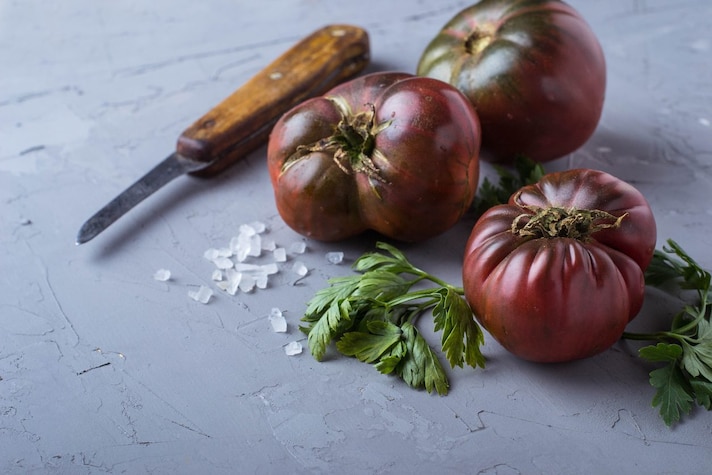
Another famous variety of black tomatoes hails from Russia and is perhaps the most widespread type of this unique product: it's called Crimean Black and was created in 1990 on the island of Crimea. It's a medium-sized tomato, weighing between 250 and 400 grams. As it ripens, its color changes from green to red to dark purple, eventually turning black the more it's exposed to sunlight. Very juicy and rich in lycopene, this tomato is perfect for salads.
3. Black Cherry
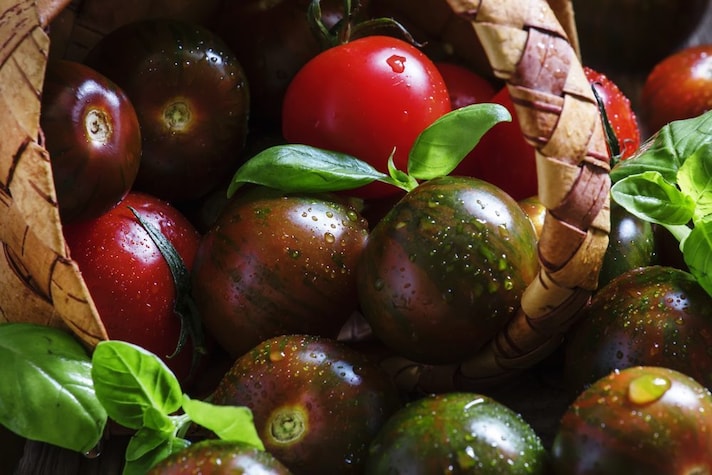
The Black Cherry tomato looks just like a large cherry (hence its name), but it's actually a beautiful cherry tomato weighing an average of 20–30 grams. The plant produces numerous sweet-tasting cherry tomatoes whose color, depending on exposure, varies from dark brown to black. This variety is also rich in flavonoids, which give this vegetable its characteristic dark color. In the kitchen, the Black Cherry is truly versatile: it can be enjoyed in salads, as a topping for bruschetta, and in sauces.
4. Indigo Rose
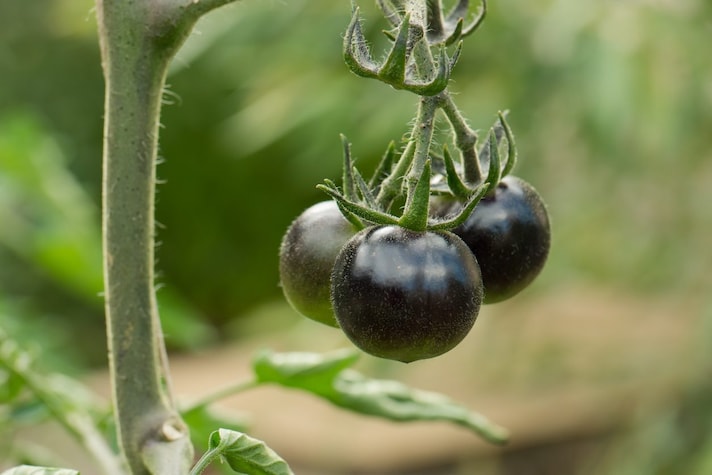
The Indigo Rosé variety, developed around 2012 by researchers at Oregon State University, is a very unique variety. Small in size but big on flavor, this tomato has a very dark skin with almost blue hues due to the intense presence of anthocyanins in the skin, which are stimulated by exposure to direct sunlight, making the tomato darker as it ripens. The flesh, however, remains reddish and is characterized by a particularly tart flavor and firm texture, making it ideal for salads and sauces.
;Resize,width=767;)
