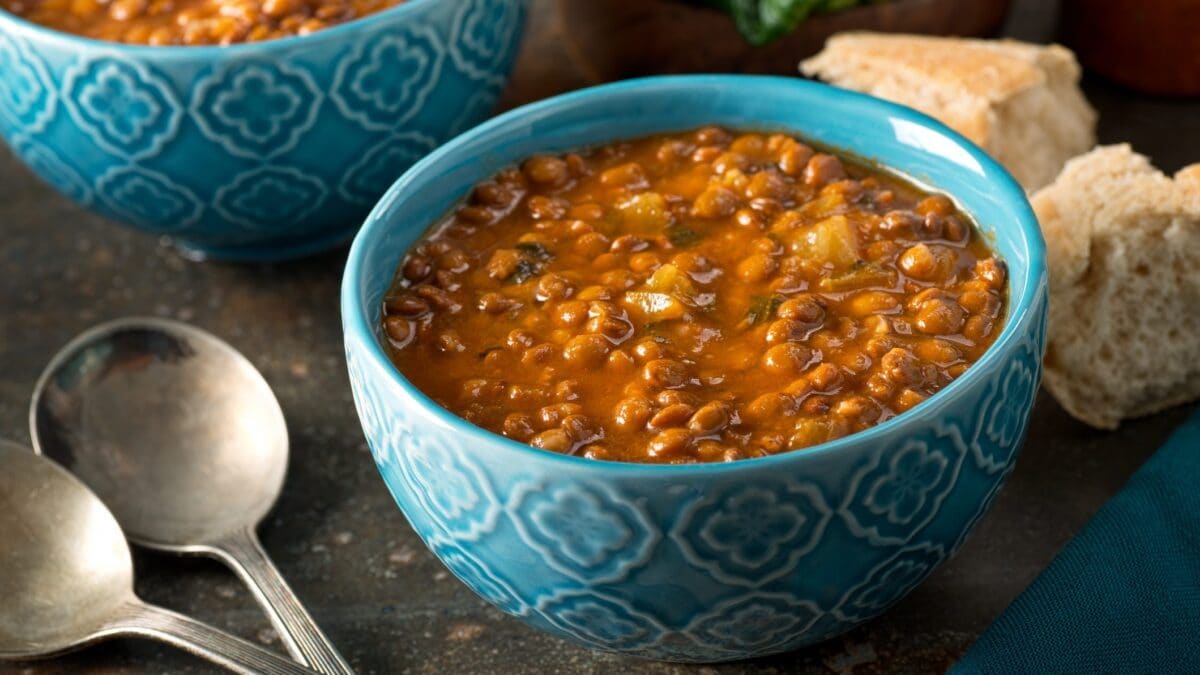
Native to the Middle East and boasting a millennia-old history, lentils, Lens Culinaris, are among the oldest legumes ever cultivated by man. Even mentioned in the biblical book of Genesis and a key element in the diet of the Sumerians, Egyptians, and ancient Romans, they have been considered a symbol of prosperity, good fortune, and wealth since ancient times. With an illustrious gastronomic tradition, enriched by different varieties, some of which boast the PGI (Protected Geographical Indication) mark, they were long relegated to the holiday season and the classic New Year's Eve dinner, often accompanied by cotechino (a type of sausage) and zampone (a type of pig's trotter).
In recent years, however, thanks to the pursuit of a more sustainable lifestyle and the decision to reduce meat consumption, we've seen a rediscovery of this precious legume. Rich in plant-based proteins, soluble and insoluble fiber, and essential micronutrients such as iron, potassium, and folic acid, it offers a nutritional treasure trove to include more frequently in our meals and menus.
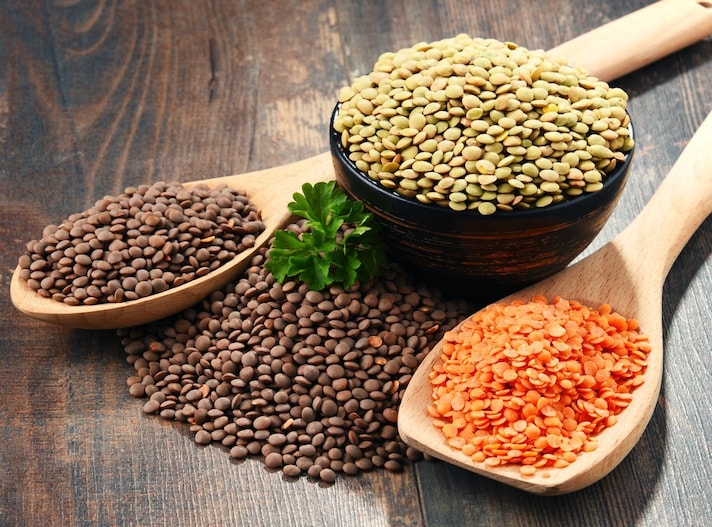
There are various types on the market—from the common brown ones to the peeled red ones or the giant green ones—each with different cooking times and consistencies. With the help of our trusted expert, biologist and nutritionist Simone Gabrielli, we discover the main health benefits of lentils, their properties, and the best tips for cooking and consuming them daily.
Lentils Main Varieties
From a botanical point of view, lentils are the edible seeds of the Lens culinaris plant, belonging to the Fabaceae (Leguminosae) family. They appear as small, flattened discs and are available in various types on the market.
- Brown and green: these are the most common and widespread; they hold their shape very well when cooked and are ideal for soups, stews, broths, and side dishes;
- red (often peeled): they cook very quickly and tend to fall apart during cooking, making them perfect for soups, creams or thick soups;
- black: they have small, shiny, dark beans with a characteristic nutty flavor, ideal for serving in salads or cold dishes;
- yellow: similar to red ones in structure, they are mainly used cooked in cream or in traditional soups of oriental cuisine.
Lentils' Properties and Nutritional Values
Lentils boast an excellent nutritional profile: they are rich in slow-release complex carbohydrates, high-quality plant proteins, and soluble and insoluble fiber, essential for intestinal health, while containing virtually no fat.
Analyzing their composition, it's clear that their nutrient density varies significantly depending on the product's condition and preparation. 100g of dried (raw) lentils provide approximately 310–325 kcal, which drops dramatically to about 110–120 kcal if boiled or about 91 kcal for canned lentils, as legumes absorb a lot of water during cooking.
Regarding macronutrients, complex carbohydrates represent approximately 50% of the dry weight (48–52g, of which only 1–2 g are simple sugars), while fats are almost absent (1–1.5g). Soluble and insoluble fibers are present in significant quantities, ranging between 13 and 17g (with slightly lower amounts in pre-cooked canned products).
Lentils are among the legumes richest in protein (23-25g), reaching nearly 30% on a dry basis. Historically known as the "poor man's meat," they are particularly rich in lysine, an essential amino acid that grains lack. For this reason, combining lentils and grains creates a complete protein profile comparable to that of animal sources.
From a micronutrient standpoint, they boast excellent concentrations of essential minerals, such as iron (about 7-8mg, an amount that covers about 50% of the average daily requirement), potassium (about 800-900mg), magnesium (about 80mg), phosphorus, calcium, and zinc. They also have an equally high content of folates or vitamin B9 (about 400mcg), essential for cell synthesis and tissue renewal, other B vitamins, phenolic compounds, and antioxidant flavonoids.
Once cooked, by absorbing water, 100g of boiled lentils provide approximately 9g of protein and 8g of fibre.
Lentils' Main Benefits
Including lentils in our daily diet – with a recommended frequency of about 3-4 times a week – brings numerous systemic health benefits, supported by numerous scientific evidence:
- Blood sugar management and increased satiety; the high soluble and insoluble fiber content slows the absorption of starches in the digestive tract. This ensures a low glycemic index, prevents insulin spikes, and ensures a prolonged feeling of satiety, proving to be an excellent support for those following a low-calorie diet or managing metabolic diseases such as insulin resistance and diabetes;
- cardiovascular protection: the combination of soluble fiber and potassium helps reduce LDL ("bad") cholesterol levels in the blood and regulate blood pressure, while antioxidants protect blood vessels from aging;
- support for the microbiota and intestinal regularity: insoluble fibres stimulate intestinal transit, preventing constipation, while soluble fibres act as prebiotics for the bacteria in the intestinal microbiota;
- non-heme iron intake and prevention of anemia: thanks to the presence of iron, folate, magnesium, potassium and zinc, lentils are useful for the production of hemoglobin and preventing anemic states or nutritional deficiencies, particularly in adolescents, pregnant women and people following a vegetarian or vegan diet;
- support for the nervous system and fight against tiredness: B vitamins support the functioning of the nervous system and the synthesis of neurotransmitters, helping to overcome both physical and mental fatigue;
- quality vegetable proteins: when combined with cereals, they offer a complete amino acid profile that is on par with meat or other animal products.
Possible Contraindications and Side Effects
Despite their proven and extraordinary benefits, consuming lentils requires a little extra caution in certain situations. In some people with sensitive gut bacteria, lentils—like any other legume—can cause bloating, gas, or abdominal tension. "This is especially true for those who aren't used to eating legumes or getting the recommended daily amount of fiber," explains Gabrielli.
Among the various types of legumes, lentils prove to be the best tolerated overall, but if the problem occurs, the practical advice is to prefer the hulled varieties (such as red lentils), to introduce them gradually into your diet and to avoid combining them with certain vegetables or tubers that can increase fermentation and the feeling of heaviness, such as cruciferous vegetables and potatoes.
Another suggestion could be to replace the classic lentils with flour, ideal for making piadinas, wraps and fari-omelettes, or with legume pasta (always in the same quantities as the legume).
We often read online that legumes contain substances that can reduce the absorption of vitamins and minerals. "This statement is partly true. Lentils contain molecules capable of sequestering certain minerals, reducing their availability," the expert clarifies. However, soaking and proper cooking eliminates most of these compounds, making the dish safe and nutritionally available.

How to Cook and Consume Lentils
Their exceptional culinary versatility, combined with their delicate flavor and good tolerance even for those with sensitive stomachs, make lentils among the simplest and quickest legumes to prepare. To maximize their nutritional profile and ensure maximum digestibility, here are some basic rules to always keep in mind:
- Pair them with a grain for a complete meal; lentil proteins are rich in lysine, but lack methionine and cysteine (essential amino acids found in grains); grains, on the other hand, are deficient in lysine. "Combining lentils with whole grains (such as rice, spelt, barley, or pasta) creates a complete meal from an amino acid standpoint, offering a protein biological value that rivals that of meat, fish, or eggs," the expert emphasizes.
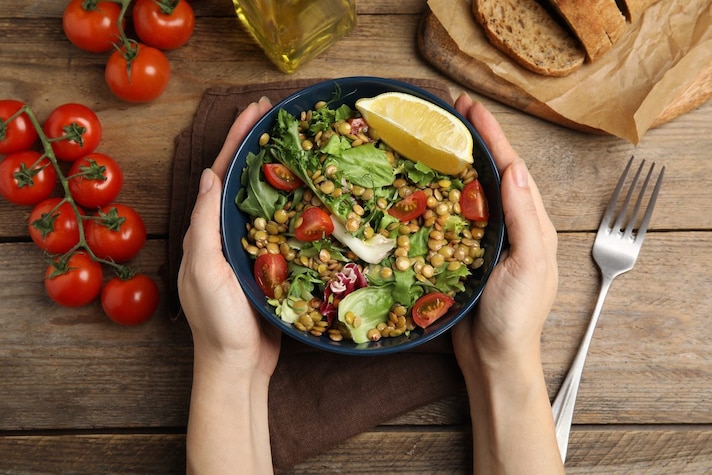
- How to double your iron absorption: The iron in lentils is non-heme (vegetable) and therefore less absorbable than that of animal sources. To increase its absorption, simply combine your meal with a source of vitamin C: simply add a squeeze of fresh lemon juice to cooked lentils, serve them with broccoli or peppers, or consume a citrus fruit (orange, tangerine) or kiwi after your meal.
- pre-soaking: although many small or peeled varieties do not require soaking, soaking lentils in cold water for 2-4 hours further reduces the amount of antinutrients and halves cooking times;
- Carminative herbs in cooking: adding a bay leaf, a piece of kombu seaweed, or some fennel seeds to the cooking water helps break down the oligosaccharides responsible for fermentation, making the lentils much more digestible and preventing abdominal bloating;
- Final salting: to prevent the skin from hardening, it is important to salt lentils – as with any other legume – only at the end of cooking.

