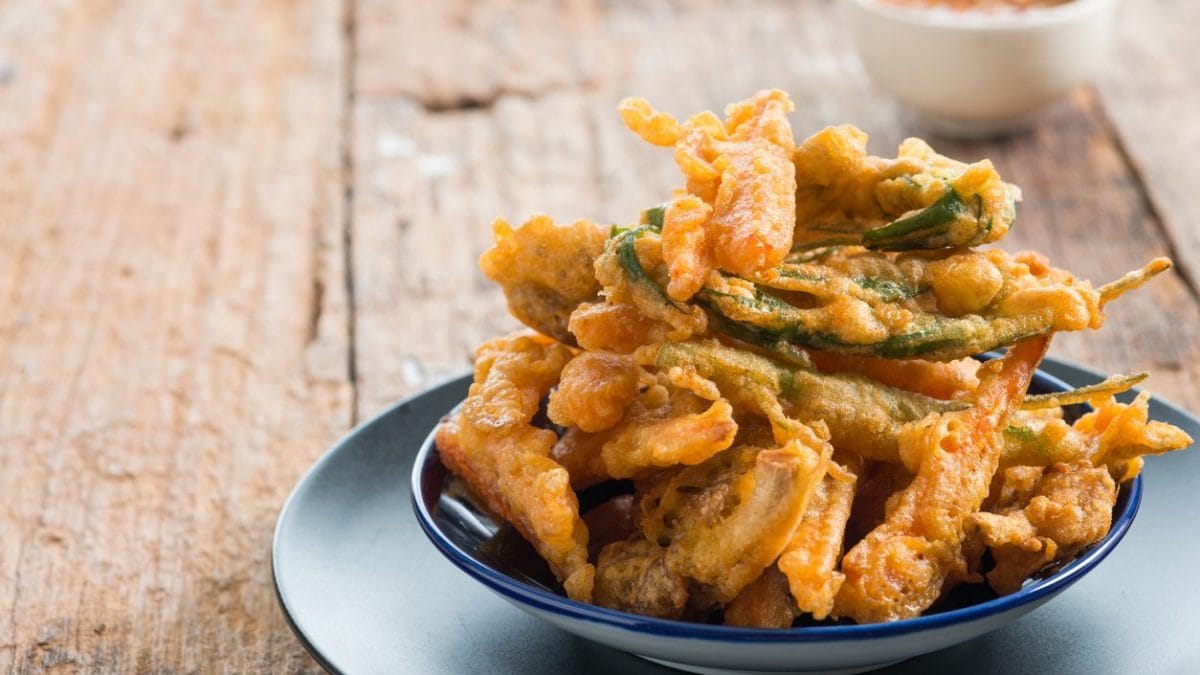
Crispy on the outside, soft on the inside, and irresistibly golden: battered vegetables are one of the most beloved appetizers and side dishes in gastronomic tradition. To achieve a dry and fragrant fry, however, it's not enough to prepare a good batter: it's essential to choose the right vegetables, those that can withstand the heat of the oil without releasing too much water and compromising the crispiness.
From fried green tomatoes to the typical Southern fried okra, to the Japanese tempura that has also conquered Western tables, battered vegetables are a simple preparation but full of pitfalls. The most common risk is a heavy and soggy fried dish, with the batter falling apart or losing its crispiness within minutes.
The main cause is often the choice of ingredients: not all vegetables behave the same way in the pan. Some have a compact structure and a relatively low water content, characteristics that allow them to maintain their consistency and flavor even after frying. Others, however, tend to release liquid during cooking, making the batter moist and less crispy. Here are the best vegetables for frying in batter and the tricks to prevent them from going soft.
Why It's Important to Choose the Right Ones
When preparing battered vegetables, the main enemy of crispiness is water. Vegetables with a high liquid content produce steam during cooking, which can soften the coating and make the final result less appealing. For this reason, it's important to choose vegetables with firm, compact flesh, or adopt some preliminary measures, such as cutting them correctly, removing excess water, or pre-cooking them slightly. The thickness of the slices also affects the success of the recipe: slices that are too thin risk overcooking before the batter turns golden, while slices that are too thick may remain raw inside.
Some vegetables lend themselves particularly well to this type of preparation thanks to their consistency and ability to maintain their structure during cooking. Here are which ones.
1. Zucchini
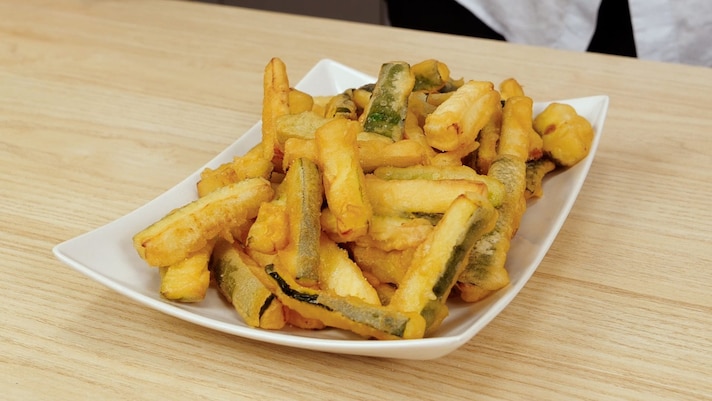
Zucchini are among the absolute stars of battered frying: they have a tender yet firm texture and develop a pleasant sweetness during cooking. For best results, it's best to cut them into medium-thin sticks or rounds and dry them thoroughly before dipping them in the batter. For crispier frying, it's best to choose young, small zucchini, which are generally less watery than larger, more mature ones. If they're particularly watery, they can be left to rest for a few minutes with a pinch of salt and then dried thoroughly before dipping them in the batter. Among the most suitable varieties are Romanesco zucchini, recognizable by their pronounced ribs and intense flavor: thanks to their firm flesh and generally lower water content than other types, they maintain their structure better during frying.
2. Eggplants
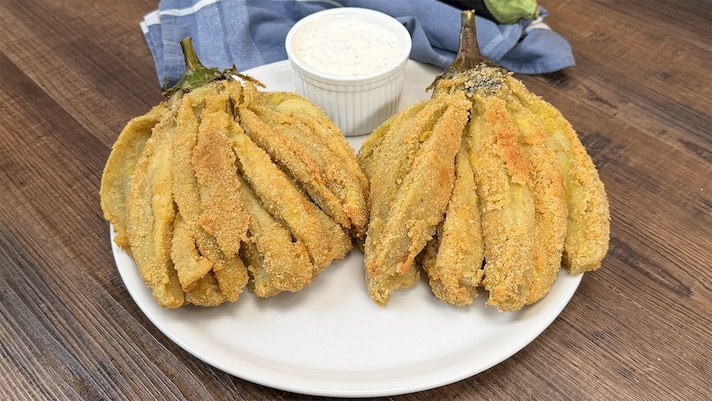
Eggplants can be a delicious treat, but they require a little extra care. The long, purple varieties are often best suited for batter frying thanks to their firm flesh and fewer seeds. Before cooking, it can be helpful to let them drain slightly under salt, eliminating some of the water and achieving a firmer consistency. Avoid slices that are too thin, as they tend to lose their structure during frying. Round varieties, on the other hand, are generally spongier and tend to absorb more oil.
3. Artichokes
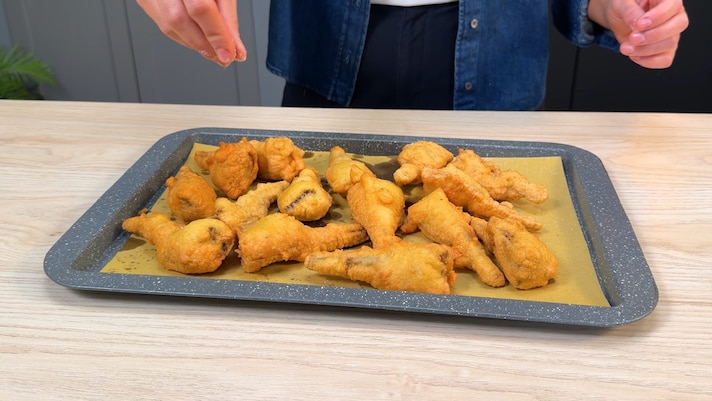
Artichokes are one of the vegetables that best resist frying: the tender leaves and the heart retain their texture and flavor, while the batter creates a particularly pleasant crunchy coating. After cleaning, it's a good idea to soak them in lemon water for a few minutes and dry them thoroughly before using. Roman and spiny artichokes are particularly suited to this type of preparation because they have tender leaves and a firm texture. After soaking them in lemon water to prevent them from browning, it's essential to dry them thoroughly. They can be cut into wedges or opened into flower-shaped pieces, a technique that increases the crispiness of the fried artichokes.
4. Cauliflower

Thanks to its compact structure, cauliflower is ideal for batter: the florets hold their shape during cooking and absorb little oil. For even cooking, it's best to divide the cauliflower into florets of similar size; a quick blanching for a minute or two can help slightly soften the structure, reducing the time needed in the fryer: this prevents the batter from darkening too much before the inside is perfectly cooked. In addition to the classic white cauliflower, you can also use colorful varieties such as purple cauliflower or green Romanesco, which add a striking touch to the dish.
5. Broccoli
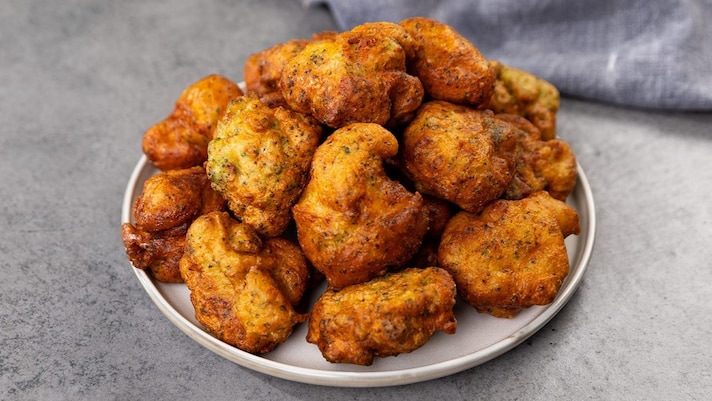
Broccoli also offers excellent results: the smallest florets are the ones that guarantee the best results, because they cook quickly and hold the batter well. Here too, a brief pre-cooking can be helpful to achieve a uniform consistency. It's important to drain and dry them thoroughly before frying. Sicilian and Calabrian broccoli are particularly suitable due to their compact florets and more intense flavor.
6. Bell Peppers
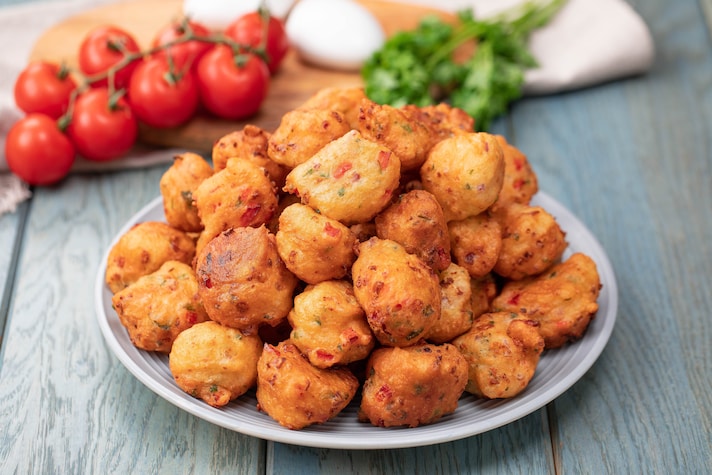
Bell peppers are perfect for those who enjoy more intense flavors: their fleshy flesh stays soft without falling apart, while the skin helps maintain their structure during frying. Peppers with thick, fleshy flesh are generally the best, as they maintain their structure better during cooking. Before dipping them in batter, it's best to remove the seeds and white pith inside: it's best to cut them into even slices and pat them dry thoroughly to remove surface moisture. Among the best varieties are the Asti square peppers, prized for their firm flesh and sweet flavor.
7. Zucchini Blossom
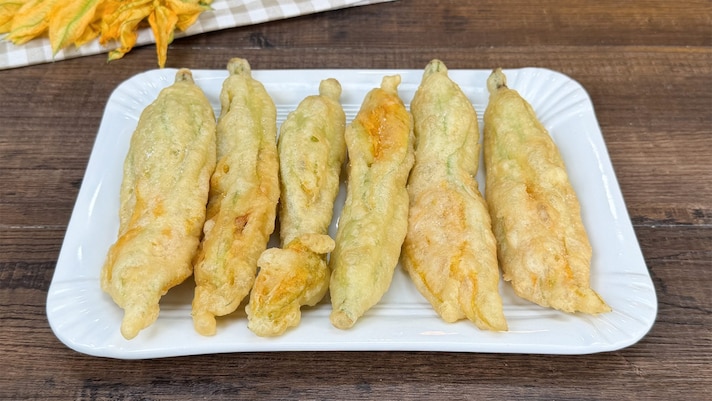
Extremely light and delicate, battered zucchini blossoms are one of the great classics of Italian cuisine: their thin structure cooks quickly, allowing the batter to become golden and crispy without absorbing too much oil. In this case, freshness is the most important element: the blossoms must be firm, intact, and free of blemishes. After carefully removing the internal pistil, they should be carefully dried to avoid breaking. If stuffed, it is preferable to use fillings with little moisture, so as not to compromise the crispiness of the batter. Roman zucchini blossoms are often the most prized because they are large, sturdy, and particularly suitable for frying.
8. Onions
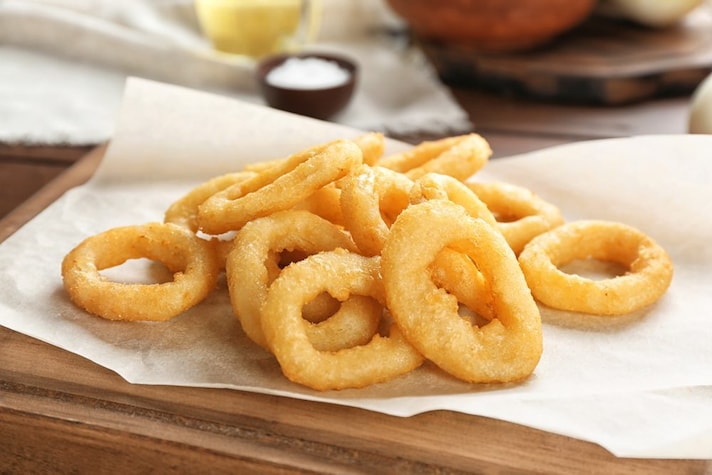
Sliced into rings, onions become irresistible when fried: their natural sweetness intensifies during cooking and contrasts pleasantly with the crunchiness of the batter. White and golden onions are the varieties best suited to batter frying due to their natural sweetness and firm texture; you can also use red onions for frying, ideal for those who prefer a more aromatic and pronounced flavor. Slicing them into even rings allows for even cooking and better adhesion of the batter. For an even crispier result, they can be lightly floured before dipping into the batter.
9. Mushrooms
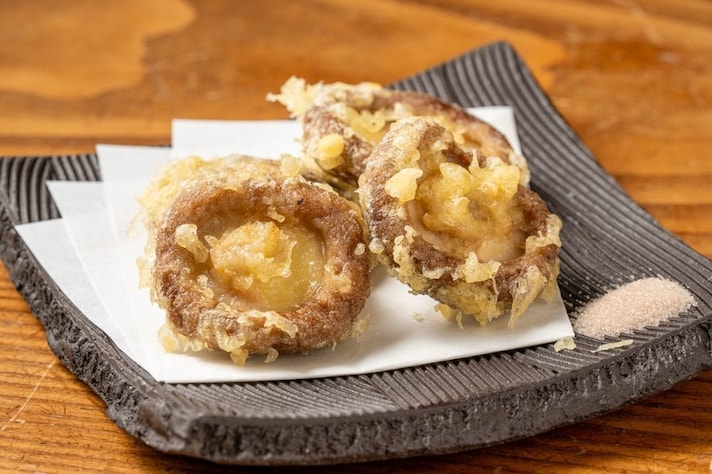
Mushrooms are a less traditional choice than other vegetables—and technically they aren't—but they can produce excellent results thanks to their meaty texture and intense flavor. Among the most suitable varieties are pleurotus, also known as oyster mushrooms, and porcini, characterized by firm flesh that holds its structure well during cooking. It's best to clean them with a slightly damp cloth rather than washing them under running water, as they tend to absorb liquid easily. Larger mushrooms can be cut into thick slices or even strips, so as to provide a greater surface area for the batter without losing consistency.
10. Sage

More than a vegetable, sage is one of the aromatic herbs best suited to batter frying: its leaves, once immersed in the batter and fried for a few moments, become light, fragrant, and incredibly crunchy. It's important to choose fresh, intact, and thoroughly dried leaves, free of blemishes or signs of wilting. Broad-leaf varieties are generally the most suitable because they offer a larger surface area to coat with the batter and are more visually appealing when served. Thanks to their low water content, sage cooks very quickly and retains its crunchiness for a long time, while also developing an intense aroma.
The Most Difficult Vegetables to Fry
Not all vegetables are equally suited to frying in batter. Tomatoes, cucumbers, and lettuce, for example, contain a very high water content and tend to lose their texture quickly when exposed to heat. During cooking, they release a lot of moisture, which can compromise the crispiness of the batter and make the final result less dry and fragrant. Even some particularly ripe zucchini or very watery eggplants can yield less satisfying results if not treated properly before frying.
Vegetables like fennel and chard are also more delicate to handle, as they have a structure rich in water and fiber and can soften quickly: in these cases, light pre-cooking or thorough drying can make the difference. Conversely, vegetables with firm flesh and a lower percentage of liquid, such as artichokes, cauliflower, and peppers, tend to retain their shape and consistency better.
This doesn't mean that waterier vegetables are impossible to fry, but they do require a few extra precautions: eliminating surface moisture, choosing appropriate cuts, and using a particularly cold batter helps limit the release of liquid and preserve the crispiness of the coating for longer.
Tips to Prevent Battered Vegetables From Going Soft
To achieve truly crispy and dry fried food, it's important to follow a few simple rules. Often, the problem isn't the batter, but rather the moisture in the vegetables or improper handling of the fryer.
- Always dry vegetables after washing. Even a few drops of residual water can compromise the final result, as they generate steam when they come into contact with the hot oil, which tends to soften the batter. After washing the vegetables, pat them dry thoroughly with paper towels or a clean dishcloth.
- Remove excess water from waterier vegetables. Vegetables like zucchini, eggplant, and peppers contain a lot of water, which is released into the batter during cooking. To limit this effect, you can let them rest for a few minutes with a pinch of salt and dry them thoroughly before proceeding.
- Use a very cold batter. This is one of the most effective secrets to achieving a light and crispy crust: preparing it with sparkling water or ice-cold beer promotes thermal shock with the hot oil, making the frying drier and less greasy.
- Fry in plenty of oil at the right temperature. The oil should be between 340/170 and 355°F/180°C: if it's too cold, the batter will absorb fat and become heavy, while if it's too hot, it risks darkening before the vegetables are cooked through.
- Don't overcrowd the pan. Frying too many vegetables at once quickly lowers the oil temperature and increases steam production: it's best to fry in batches to maintain a constant heat and ensure even browning.
- Drain the vegetables on paper towels or a wire rack. The paper towels remove surface oil, while the wire rack allows air to circulate around the fried food, preventing steam from building up and making the batter less crispy.
- Add salt only at the last moment. Salt tends to draw moisture to the surface of the food: for this reason, it's best to add it only before serving, once the fried food has been drained and is at its crispiest.
- Serve the vegetables as soon as they're fried. Even the best fried vegetables gradually lose their flavor over time: the ideal time to enjoy them is right out of the oil, when the golden crust is still crispy and the inside retains all its softness.

