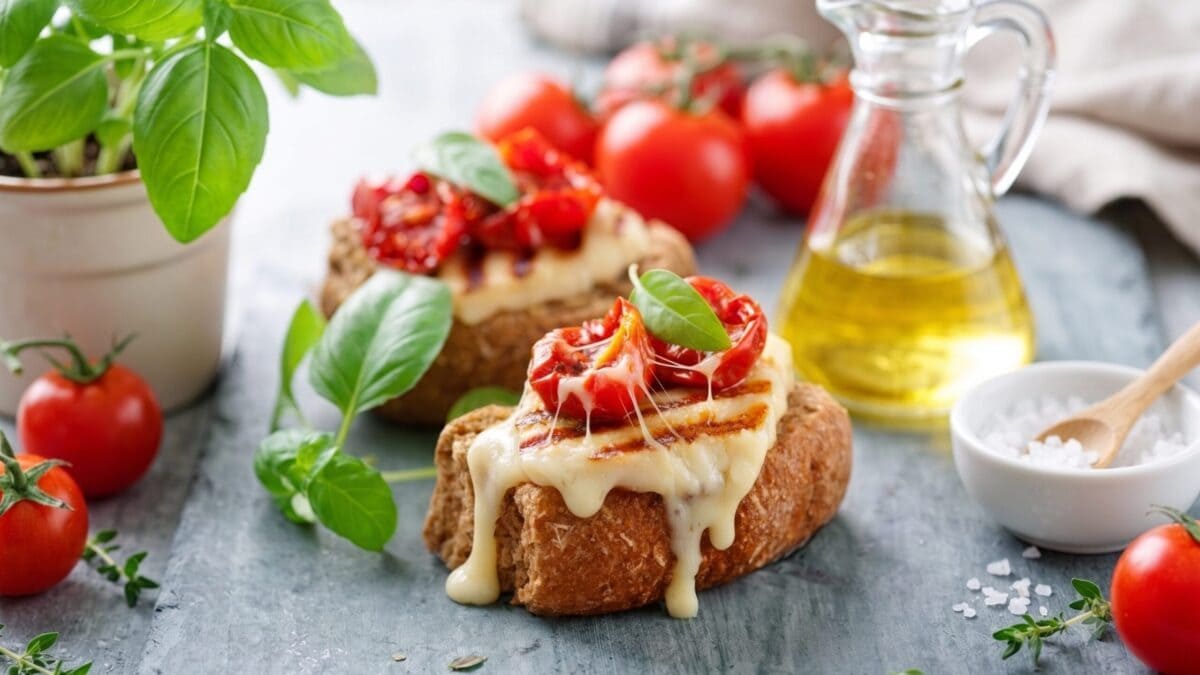
Grilling cheese is one of the easiest ways to transform it into a rich, flavorful, and irresistible dish. The intense heat creates a golden crust on the surface, concentrates the flavors, and makes the inside softer, creamier, or more stringy, depending on the type used. Not all cheeses, however, react the same to high temperatures: some hold their shape perfectly, others soften gradually, while those that are too fresh or have a high water content risk melting quickly, sticking to the griddle, or dripping through the grill grates.
To achieve a good result, it's therefore important to choose cheeses with a firm texture, a moderate moisture content, and a structure capable of withstanding direct heat. The thickness of the slices, the temperature of the cooking surface, and the cooking time also affect the final result.
Among the various types of cheeses, the most suitable types are generally stretched-curd cheeses, but also those with a firm consistency or protected by an outer rind. Added to these are some foreign specialties created specifically to be reheated or grilled. Let's see which cheeses are best for grilling.
For even cooking, it's best to choose firm cheeses, not too watery, and cut into fairly thick slices. This allows the surface to brown before the inside completely melts.
1. Scamorza

Scamorza is probably the Italian cheese best suited to grilling. It belongs to the stretched-curd family and has a drier, more compact structure than mozzarella, a characteristic that allows it to withstand high temperatures well. During cooking, the surface becomes golden and slightly crispy, while the inside softens, taking on a springy, stringy consistency. Smoked scamorza is particularly suitable for grilling, as the heat intensifies its aromatic, toasted notes.
To prevent it from melting too much, it's best to cut it into slices at least a centimeter thick and cook it on a very hot surface for a few minutes. It can be served with toasted bread, mushrooms, grilled vegetables, or cured meats.
2. Caciocavallo

Caciocavallo is one of the cheeses best suited to grilling thanks to its compact, elastic stretched curd. It can also be prepared on the grill, slicing it thickly, but it is most famous as caciocavallo impiccato (hanging caciocavallo), a traditional technique common in various parts of Southern Italy.
In this preparation, a caciocavallo wheel, usually not very mature, is tied with a string and suspended near the embers, without coming into direct contact with the flame. The heat slowly softens the bottom of the cheese, which is then scraped off or allowed to drip while still warm onto slices of toasted bread. The distance from the embers is crucial: the cheese must melt gradually without burning on the surface. A young wheel has a sweeter flavor and a particularly stringy texture, while a medium-aged caciocavallo delivers a more intense and slightly spicy flavor.
When grilling, however, it's best to use slices at least a centimeter thick and cook them quickly on a very hot surface, turning them only once. In both cases, you get a soft, stringy cheese, with deeper aromatic notes and a pleasant smoky component provided by the embers.
3. Provolone

Provolone, especially the mild or medium-aged versions, is ideal for quick grilling. Its firm texture melts gradually, resulting in a golden exterior and a soft interior. Compared to scamorza, it generally has a more intense flavor and a more pronounced fatty component. Mild provolone produces a delicate and creamy result, while the spicy version develops a stronger, more persistent flavor. Slices should be thick enough to prevent the cheese from immediately losing its structure. It is particularly suitable for filling sandwiches, accompanying vegetables, or served with honey and jams.
4. Tomino Cheese

Tomino is a soft cheese, generally made from cow's milk, and small in size. The outer crust protects the interior during cooking, allowing the center to become creamy without immediately oozing out. It is particularly suitable for grilling —as well as baking —and can be cooked whole for a few minutes on each side. It is important not to cut the crust, otherwise the cheese may ooze out during cooking.
Before cooking, it's often wrapped in pancetta or speck, which adds flavor and helps keep the surface firm. For a more delicate version, it can be prepared without cured meats and served with grilled vegetables, salad, crusty bread, or fresh fruit.
5. Primosale Cheese

Primosale is a young, delicate cheese, characterized by a firm yet slightly moist texture. It can be grilled, provided you choose a fairly firm and well-drained version. When exposed to heat, it tends to soften without becoming stringy: the surface develops a light golden brown, while the flavor remains sweet, fresh, and milky. For best results, it's best to use thick slices and pat them dry with paper towels before grilling. It pairs well with tomatoes, zucchini, eggplant, oregano, black pepper, and extra virgin olive oil.
6. Fresh Pecorino

Fresh pecorino, especially when firm and not very moist, can be cooked on the grill with good results. Compared to aged versions, it is softer and more delicate, yet retains a firm enough structure to withstand rapid cooking. Heat intensifies its lactic and savory notes, forming a crust on the outside while the center becomes more tender. It is best to use thick slices and turn them gently only once. It can be paired with honey, jams, bitter greens, or rustic bread. Overly fresh and watery versions, however, risk breaking or sticking to the surface.
7. Semi-Mature Canestrato Cheese

Semi-mature canestrati cheeses can be grilled when their texture is still elastic and not excessively hard. The heat concentrates their flavor and creates a crispy surface. Success depends largely on the degree of maturation: a product that is too young may release water, while a very mature one tends to dry out or quickly release fat. It is therefore preferable to choose an intermediate maturation and cook slices that are not too thin for a few minutes.
8. Feta

Feta can be grilled, but requires a little more care than firm cheeses. Its crumbly texture and moisture make it unsuitable for direct contact with very large grates. The best way to prepare it is on a small baking sheet, a griddle, or a foil bag made from parchment paper and aluminum foil. Heat doesn't make it stringy, but it softens and takes on a creamier consistency. Since feta is already very salty, it's generally not necessary to add more salt; cherry tomatoes, olives, onion, oregano, and chili pepper are among the most suitable pairings.
9. Raclette Cheese

Raclette cheese is designed to be heated and melted, but it can also be used on a griddle, especially if cooked in special spatulas, pans, or small non-stick surfaces. The cheese is soft, fatty, and melts easily: it should not be placed directly on the grates, as it could melt and run quickly. It does not hold its shape for long and must therefore be heated in a controlled manner: the heat intensifies its aroma and makes its consistency particularly creamy. It is ideal for pouring over potatoes, bread, vegetables, mushrooms, and cured meats.
10. Halloumi

Halloumi is one of the most suitable cheeses for cooking directly on a griddle or grill: originally from Cyprus, it is traditionally made from sheep's or goat's milk, or a blend that may also include cow's milk. Its main characteristic is its high resistance to heat: instead of melting or thawing quickly, it holds its shape and develops a golden crust on the outside. The texture remains firm and elastic, while the flavor is bold and naturally savory. It can be cut into slices about a centimeter thick and cooked for a few minutes per side, generally without the need for oil. It is excellent with grilled vegetables, salads, tomatoes, herbs, or lemon juice.
11. Paneer

Paneer is a fresh cheese widely used in Indian cuisine: it has a firm, compact texture that tends to hold its shape during cooking, without becoming stringy. It can be sliced or cubed and cooked directly on the griddle, often after briefly marinating in spices, yogurt, or oil. Its flavor is delicate and lactic, so it easily absorbs the aromas of the ingredients it is seasoned with. Compared to halloumi, it is less salty and generally softer. It is a perfect accompaniment to vegetables, rice, spicy sauces, and salads.
Which Cheeses Should Never Be Put Directly on The Griddle
Very fresh, water-rich cheeses are generally not suitable for direct cooking on a griddle or grate. Mozzarella, burrata, stracchino, crescenza, and ricotta have a delicate structure and a high moisture content: when exposed to heat, they tend to release liquids, stick to the surface, and, in many cases, quickly lose their shape before a crust can form.
Mozzarella, for example, can become very soft and leak between the grates, while burrata and stracchino risk splitting open almost immediately. Ricotta, especially if very fresh, tends to crumble or dry out on the surface without developing a truly uniform browning. This doesn't mean these cheeses should be excluded from grilling: it's, however, preferable to protect them from direct heat. They can be cooked in foil, placed in a small heatproof pan , placed on a slice of bread, or used as a filling for vegetables, focaccia, and sandwiches. With mozzarella and ricotta, it's also helpful to let them drain thoroughly before cooking, to reduce the amount of liquid released.
Even very mature cheeses, such as Parmesan and hard pecorino, are not ideal for cooking in thick slices directly on the griddle. Their drier, more compact texture doesn't become as soft and stringy as younger cheeses: with intense heat, it tends to release fat, dry out, or burn on the surface.
How to Choose the Right Cheese for Grilling
The success of the preparation depends above all on the initial consistency of the cheese and its ability to react to heat without melting too quickly.
- Cheese consistency. Choose firm, elastic cheeses, or cheeses with an intact rind, or stretched-curd cheeses; overly soft cheeses require a container or foil.
- Amount of water. Less moist cheeses tend to brown better and hold their shape; very fresh cheeses must be drained thoroughly.
- Slice thickness. Cut portions at least a centimeter thick: slices that are too thin risk melting before forming a crust.
- Level of maturation. Young cheeses are more delicate and melting, while medium-aged cheeses are generally more flavorful and resilient.
- Saltiness. Consider the salt content before adding seasonings: for example, halloumi, feta, provolone, pecorino, and caciocavallo can already be very salty.
How to Grill Cheese Without It Sticking
To cook cheese properly on a griddle or grill, it's important to start on a very hot surface. The intense heat allows the cheese to quickly brown and form a thin crust, preventing it from melting before it's fully browned. Before cooking, it's a good idea to dry it thoroughly, especially if it's fresh or slightly moist: excess water hinders browning and increases the risk of the cheese sticking to the griddle or dripping between the grates. For this reason, it's helpful to pat it dry with paper towels and choose fairly thick slices.
In most cases, there's no need to add oil, as the cheese naturally releases some of its fat during cooking. However, if the grill isn't perfectly non-stick, you can lightly grease it with a light layer of oil. On the grill, however, it's best to lightly brush the cheese or grates, taking care not to overdo it to avoid flare-ups.
Once placed on the hot surface, the cheese should be left to cook without moving it too much. It's best to turn it only once, if using slices, using a wide spatula if on a griddle or tongs if on a grill, so as not to break it. Cooking times vary depending on the type, thickness, and distance from the embers, but generally a few minutes per side are enough.
The best time to serve it is immediately after cooking, while the inside is still soft and the surface is golden brown. As they cool, many cheeses tend to lose their elasticity and become more compact or rubbery.
The Best Pairings
Grilled cheeses can be served as an appetizer, a vegetarian main course, a sandwich filling, or as an accompaniment to vegetables and salads. To balance the fatty and savory components, fresh or acidic ingredients, such as tomatoes, citrus fruits, crisp salad greens, marinated onions, and pickled vegetables, are particularly suitable. Honey, jams, and fresh fruit can also create a pleasant contrast, especially with smoked or semi-mature cheeses. Finally, aromatic herbs, pepper, paprika, oregano, and chili pepper can enhance the flavor without overpowering the cheese's characteristics. Salt, however, should be added only after tasting and almost never to naturally savory varieties.
;Resize,width=767;)
